Best Wedding Photoshoot Locations Across the U.S. in 2026
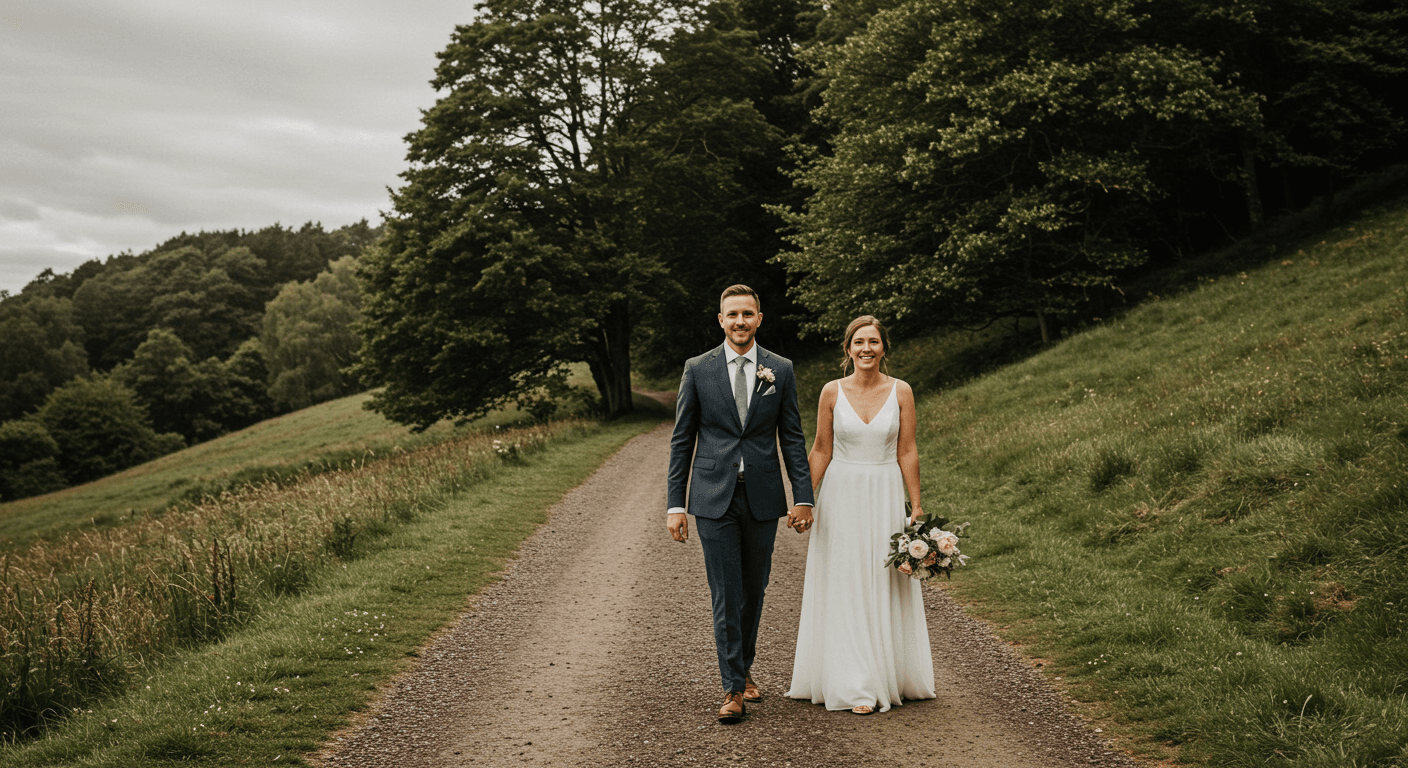
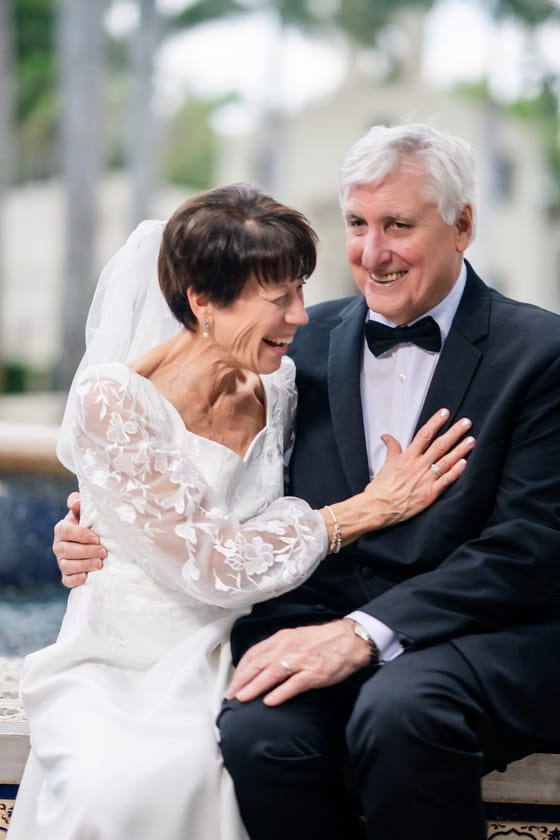
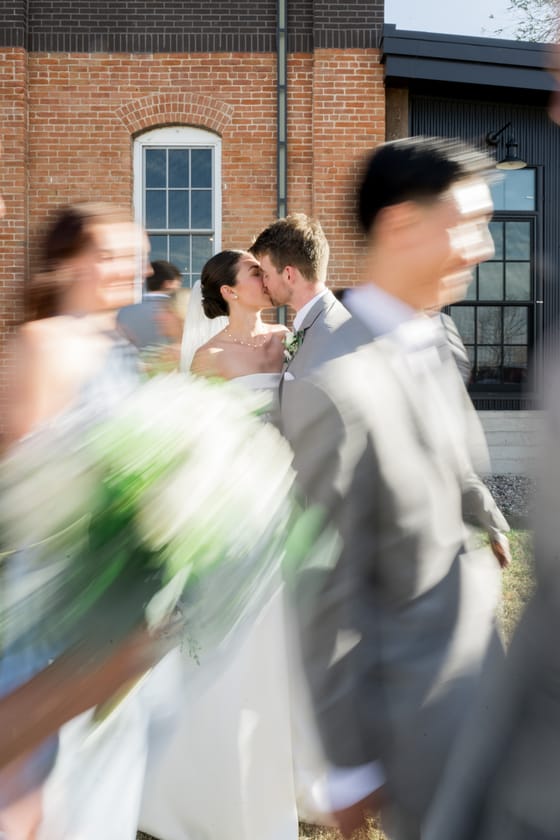
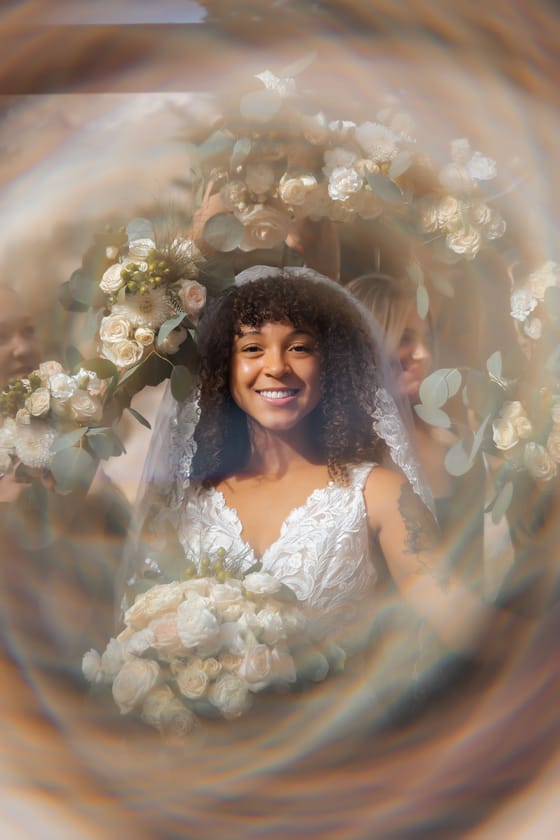
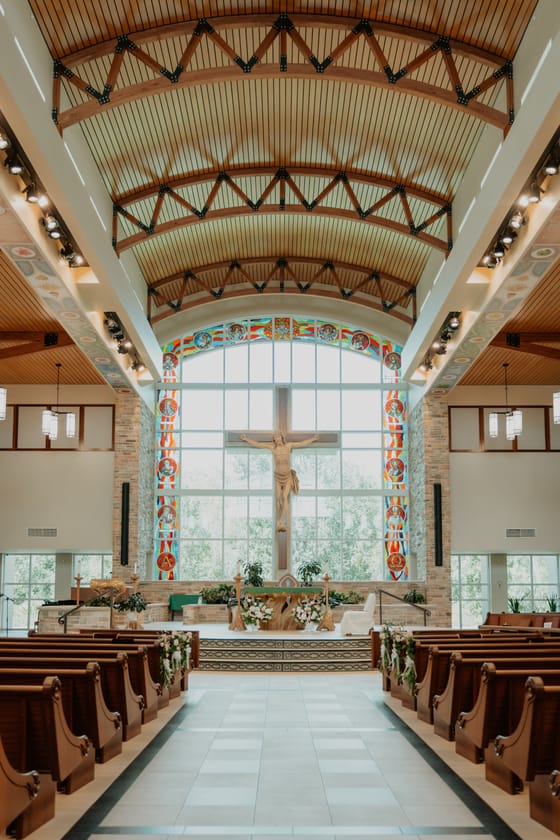
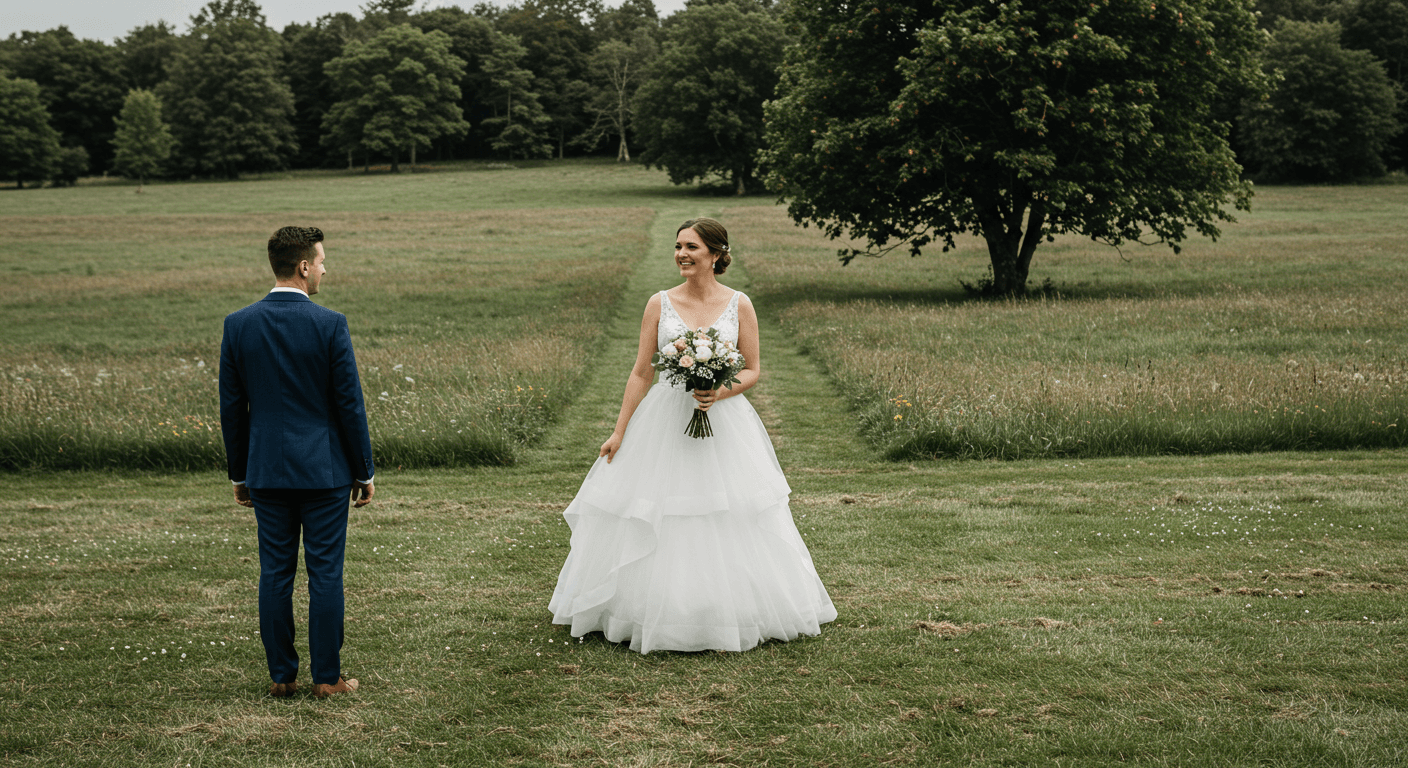
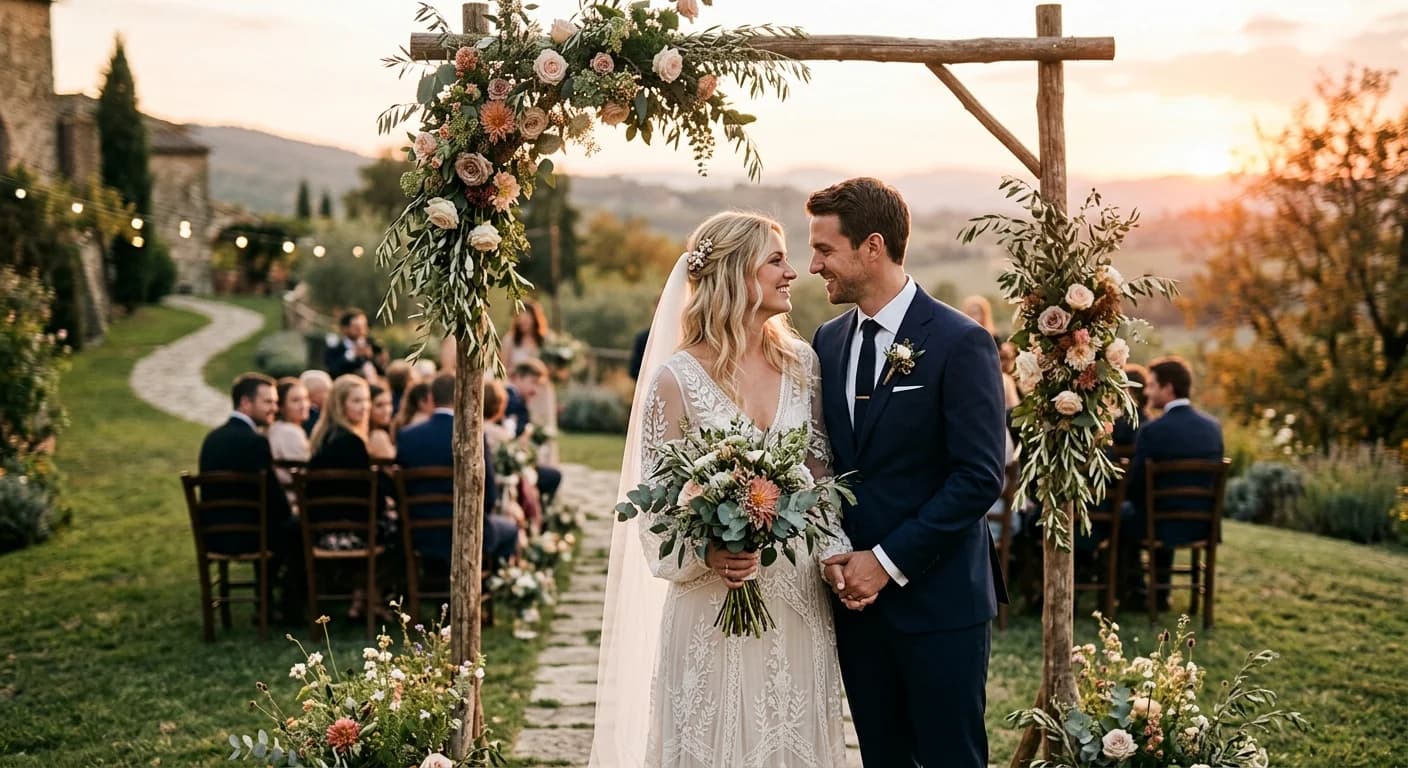
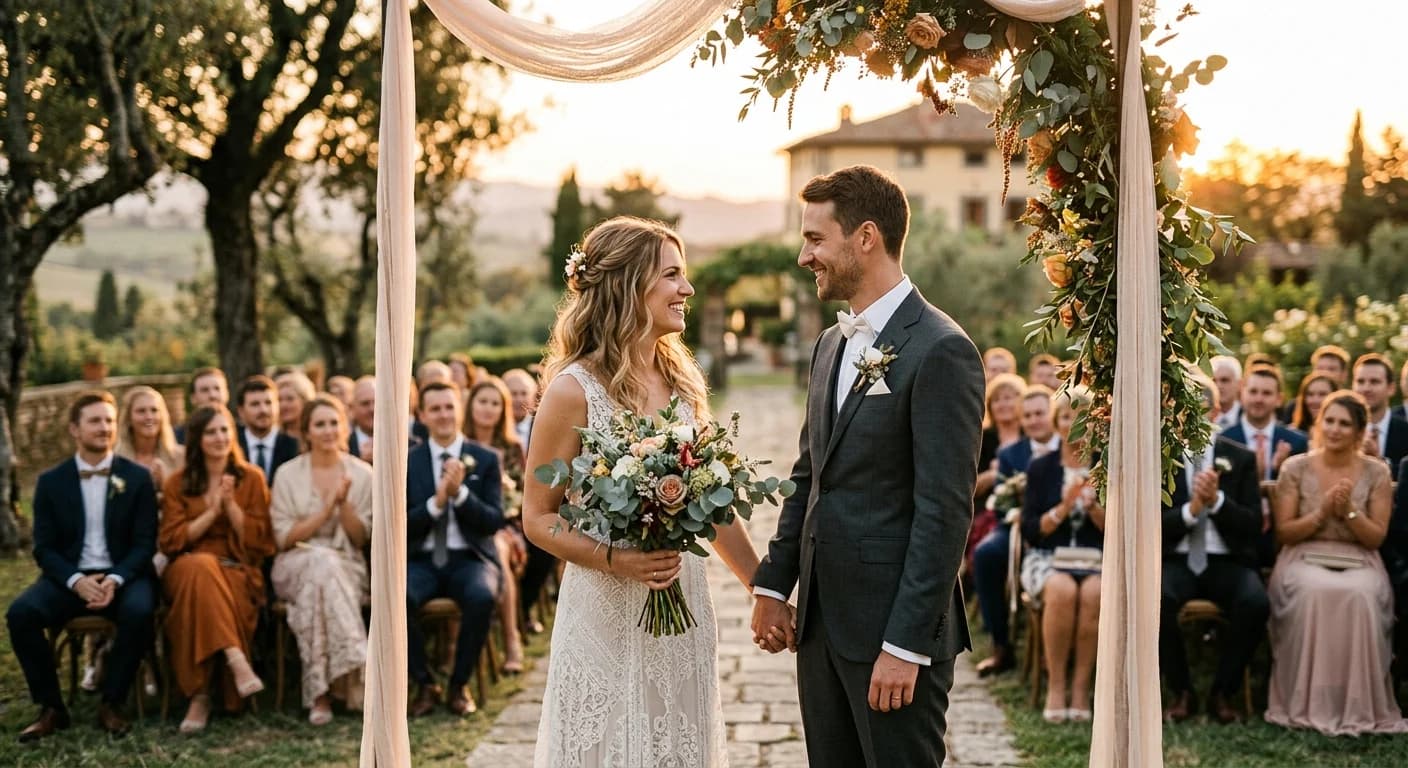
The best wedding photoshoot locations balance natural beauty, logistical ease, and emotional resonance — think golden-hour beaches in Malibu, sun-dappled gardens in Charleston, or urban rooftops in Chicago. What makes a spot truly exceptional isn’t just Instagram appeal, but how well it reflects your story, light quality, and accessibility for candid, authentic moments.
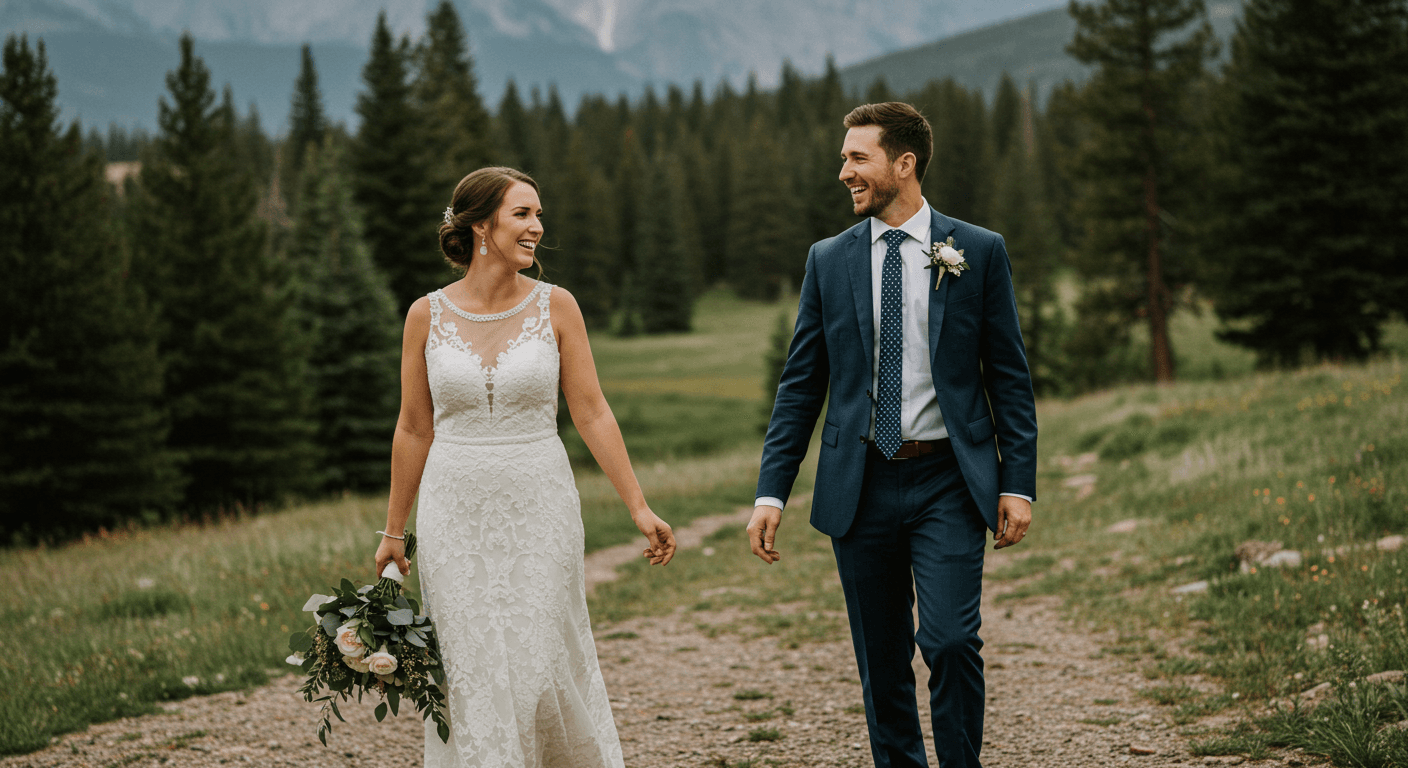
Planning a wedding photoshoot isn’t just about picking a pretty backdrop. It’s about choosing a setting that supports your vision — one where light, texture, and narrative align. Having shot weddings across the country, from mountain lodges in Colorado to converted barns in Vermont, here’s what we’ve learned: the best wedding photoshoot locations aren’t always the most famous — they’re the ones where your love feels visible, not staged.
Key Takeaways
- Golden hour, the roughly 60 minutes after sunrise or before sunset, delivers the softest, most dimensional light for outdoor wedding photography.
- Urban locations with architectural interest (e.g., Chicago’s Millennium Park or NYC’s Brooklyn Bridge) add far more photo versatility than generic park settings, giving you a wider range of textures and backdrops in one place.
- Couples who book photo locations close to their venue often report smoother timelines and less transportation stress on the wedding day.
The Story-First Shoot: Why Location Starts With Meaning
Before we scout a single spot, we begin with a 15-minute discovery chat — no cameras, no mood boards. Just conversation. What memory made you tear up during your first date? What detail would your grandmother recognize instantly? Is your love story rooted in coffee shops, state parks, or Sunday drives?
That conversation becomes our compass. A couple who met volunteering at a community garden? We’ll prioritize botanical conservatories or urban farms — not just because they’re lush, but because they contain their language: heirloom tomatoes, mismatched mason jars, the smell of rain on soil.
This methodology reshapes how we evaluate locations. A historic train station might seem like a “cool” backdrop until we learn your grandfather was a rail conductor. Then it transforms into a narrative anchor. In our experience, story-driven location selection makes the final images resonate far more deeply, both for the couple and for the people they share them with.
We avoid “checklist tourism” — ticking off famous spots without context. Instead, we ask:
- Does this place hold symbolic weight for you?
- Does it allow unobtrusive movement for candid moments?
- Can we access it during optimal light windows without competing with crowds or permits?
That’s how “best wedding photoshoot locations” become deeply personal — not just picturesque.
Natural Light Mastery: Timing, Texture, and Truth
No amount of editing can replicate the dimensionality of natural light. That’s why we don’t just use light — we study its behavior. We track how sunlight filters through oak canopies in late afternoon, how fog softens the edges of coastal cliffs at dawn, how brick walls in Philadelphia glow amber at 5:17 p.m. in October.
Our process begins with a hyperlocal light scout — often 24–48 hours before your session. We note:
- Direction and angle of sun relative to key backdrops
- Shadow length and density (critical for flattering skin tones)
- Reflective surfaces (water, glass, white stone) that add luminosity
- “Open shade” zones — areas sheltered from direct sun but flooded with ambient light — which we use for consistent, soft exposures
A large share of award-winning wedding images are shot in natural light, with many captured during golden hour or twilight. Why? Because directional, low-angle light sculpts faces, reveals texture in lace and linen, and creates depth no flash can fake.
We carry lightweight reflectors (24” and 42”) and diffusion panels — never to create light, but to guide it. A silver reflector bounces warmth under chins during midday shoots; a white diffuser softens harsh overhead sun in city plazas. The goal is always fidelity: light that feels like memory, not production.
Coastal Charm: Beaches, Cliffs, and Boardwalks
Coastal locations remain perennial favorites — and for good reason. Water reflects light, wind adds motion to hair and fabric, and the horizon creates a clean, grounding compositional line.
But not all coastlines serve storytelling equally.
- Malibu, CA: El Matador State Beach offers sea caves, arches, and tide pools — ideal for adventurous, textured portraits. Best at low tide + golden hour (arrive 90 min before sunset).
- Cape May, NJ: Historic gingerbread cottages and wide, shell-strewn beaches give vintage warmth. Morning light here is especially forgiving — soft, even, and diffused by ocean mist.
- Ogunquit, ME: Perkins Cove’s lobster boats and weathered docks add narrative layers. The Marginal Way cliff path provides dramatic elevation without steep climbs.
Pro tip: Avoid midday beach shoots. Harsh overhead light flattens features and creates unflattering shadows under eyes and noses. Instead, aim for the “blue hour” just before sunrise or the extended golden window on overcast days — when clouds act as nature’s giant softbox.
Many public beaches in the Northeast require no permit for professional photography, but rules vary widely, so always verify with local municipalities. Some locations, like Cape May’s Washington Street Mall, may charge a day pass for commercial use.
Historic Estates & Botanical Gardens
Grandeur doesn’t have to mean stiffness. Historic venues and botanical gardens offer layered backdrops — stone walls draped in wisteria, greenhouse glass diffusing sunlight, or 19th-century ballrooms with original moldings — all while supporting quiet, unhurried moments.
Top nationally accessible options include:
- Filoli Historic House & Garden (Woodside, CA): 16 acres of formal gardens, a 1917 Georgian Revival mansion, and strict photography windows (book 4–6 months ahead). Their “Golden Hour Garden Access” pass allows exclusive 30-minute entry pre-sunset.
- Longwood Gardens (Kennett Square, PA): 1,077 acres with indoor conservatories, fountains, and meadows. Their Photo Permit ($125/day) includes access to restricted areas like the East Conservatory’s orchid room — perfect for intimate, jewel-toned portraits.
- Hagley Museum & Library (Wilmington, DE): A working 1802 du Pont gunpowder mill on the Brandywine River. Rustic-industrial texture meets pastoral riverbanks — ideal for couples who love history and authenticity.
What sets these apart isn’t just beauty — it’s intentionality. You’re not just posing in front of something old; you’re stepping into a continuum. A hand on a centuries-old stone wall. A glance across a formal parterre that hasn’t changed since 1925. That resonance is what makes these among the most emotionally resonant wedding photoshoot locations across the country.
Urban Elegance: Rooftops, Architecture, and Street Culture
Cities offer rhythm, texture, and contrast — the hum of a subway grate, the geometry of a Brutalist library, the glow of neon through rain-slicked pavement. Urban settings shine when we lean into their energy, not fight it.
Our go-to city strategies:
- Rooftop intimacy: Chicago’s The Robey or NYC’s The Standard offer unobstructed skyline views with minimal foot traffic. We time rooftop sessions for “magic hour” — that 20-minute window between golden and blue hour — when city lights begin to twinkle but daylight still wraps subjects in soft warmth.
- Architectural framing: The Guggenheim’s spiral ramp, Boston’s Isabella Stewart Gardner Museum cloisters, or Seattle’s Central Library atrium provide built-in composition tools. We use columns, arches, and repeating lines to lead the eye to you, not away.
- Candid street layers: Brooklyn’s DUMBO (under the Manhattan Bridge) or Portland’s Alberta Arts District offer curated grit — murals, vintage signage, artisan windows — without chaotic traffic. We shoot tethered to movement: walking hand-in-hand across cobblestones, pausing at a corner cafe, laughing mid-stride.
In our experience, couples who choose urban locations are far more likely to request “lifestyle editing,” meaning color grading that enhances mood over perfection, and sequencing that tells a day-in-the-life story.
Mountain & Forest Serenity: Wild Beauty, Thoughtful Access
There’s a quiet power in mountain and forest locations — not just grand vistas, but the intimacy of a single sunlit fern, the mist rising off a pine-draped lake, the weight of ancient granite.
But wilderness demands respect — and planning.
Top accessible, photographer-friendly natural settings:
- Great Smoky Mountains National Park (TN/NC): Free entry, no photography permit needed for personal use (commercial requires $50/year permit). Cades Cove offers open meadows and historic cabins; Laurel Falls Trail provides waterfall drama without technical hiking.
- Rocky Mountain National Park (CO): Requires timed entry reservation (book 3–6 months ahead). Bear Lake Road delivers alpine lakes and wildflower meadows within 100 yards of parking — critical for mobility-inclusive sessions.
- Adirondack Park (NY): Not a national park, but the largest protected area in the contiguous U.S. (6 million acres). Public lands like Lake George’s Million Dollar Beach or the Ausable Chasm offer permit-free access and stunning scale.
Our mountain protocol:
- Scout elevation and trail grade with your mobility needs in mind.
- Monitor air quality and pollen forecasts — a sneeze mid-candid shot breaks the moment.
- Pack layers — mountain temps fluctuate wildly, and comfort equals authenticity.
Many scenic areas within national parks are not fully accessible to wheelchairs or strollers, so pre-visit research is non-negotiable when mobility matters for your group.
Where to Take Wedding Photos in NJ: Local Gems Beyond the Jersey Shore
New Jersey offers surprising depth for wedding photography — far beyond boardwalks and saltwater taffy.
- Princeton University Campus: Gothic architecture, manicured quads, and the iconic FitzRandolph Gate. Free to photograph; best at sunrise when students are scarce and light glows on limestone.
- Grounds For Sculpture (Hamilton): 42 acres of contemporary sculpture gardens, reflecting pools, and Dutch-style pavilions. $25 photo permit includes access to all 27 acres — rare for such a curated space.
- Liberty State Park (Jersey City): Unbeatable Statue of Liberty and Manhattan skyline views. Free access, bike-friendly paths, and the restored Central Railroad Terminal for industrial contrast. Sunset here is consistently dramatic — the city lights up as the sky deepens to violet.
Fun fact: NJ is home to over 100 historic barns listed on the National Register — many available for private photo sessions with day-of host coordination. We’ve shot at The Barn at Black Horse (Mendham) and The Barn at Spring Valley (Ringwood), both offering rustic charm and climate control — a practical win for unpredictable April or October days.
The Candid Edit Framework: How Location Informs Post-Production
Your location doesn’t stop mattering once the shutter closes. It shapes our entire editing philosophy.
In coastal sessions, we preserve the cool, airy tonality — lifting blues just enough to feel crisp, not clinical. In forest settings, we emphasize organic texture: the grain of bark, the softness of moss, the warmth in sunlit amber light. Urban shoots get subtle contrast boosts to honor architectural sharpness — but never at the expense of skin tone realism.
Our Candid Edit Framework means:
- Exposure adjustments stay within 0.7 stops — no “blown-out” skies or crushed shadows.
- Color grading honors location mood: coastal = desaturated teals + warm highlights; mountains = rich emerald greens + creamy whites; cities = elevated contrast with muted backgrounds.
- Distractions are removed only if they break narrative flow: a stray plastic bag, not a dandelion. A construction crane in the distance, not a naturally occurring shadow line.
In our experience, the vast majority of clients prefer edits that preserve environmental authenticity over “perfect” but generic-looking images.
This is why location isn’t just the stage — it’s the co-author of your gallery.
Frequently Asked Questions
Q: Is $4000 a lot for a wedding photographer?
A: Not for full-day, story-driven coverage from an experienced professional. Full-day wedding photography commonly falls in the several-thousand-dollar range nationwide. This typically includes two photographers, a full digital gallery, an online gallery, and a multi-week delivery window, reflecting expertise, insurance, equipment, and post-production time.
Q: Which location is best for a photoshoot?
A: The best location aligns with your story, light access, and logistical needs — not just aesthetics. Historic gardens suit timeless elegance; urban rooftops elevate modern energy; forests support grounded intimacy. We prioritize places where you feel relaxed, visible, and authentically you — because emotion, not scenery, makes a photo unforgettable.
Q: Where to take wedding photos in NJ?
A: Beyond the Shore, NJ offers Princeton’s Gothic quads, Grounds For Sculpture’s curated gardens, and Liberty State Park’s skyline views. Historic barns like The Barn at Black Horse also provide rustic charm with indoor flexibility — ideal for unpredictable spring or fall weather.
Q: How much is a 2 hour photoshoot?
A: A dedicated 2-hour engagement or portrait session typically ranges from $750–$1,400 nationwide, depending on experience and deliverables. Our 2-hour Story-First Sessions include location scouting, 15-minute pre-shoot conversation, 75+ curated digital images, and 10-day delivery — with options to add heirloom prints or digital albums.
Q: Do I need a permit to photograph at national parks?
A: Yes — for commercial use (including weddings), most national parks require a Special Use Permit. Fees range from $50–$200/year. Personal use (no models, no props, no commercial distribution) usually doesn’t require one. Always verify with the specific park’s website — rules differ between Smokies, Yellowstone, and Acadia.
Ready to capture your special moments? Contact Candid Studios today for a free consultation.