Cheesman Park Pavilion Denver: History, Tips & Photo Guide
Cheesman Park Pavilion Denver stands as one of Denver’s most iconic outdoor venues, a graceful, neoclassical structure framed by century-old elms and sweeping city views. Whether you're planning a vow renewal, an engagement session, or a small corporate gathering, this pavilion delivers charm, convenience, and authenticity. Its location in the heart of Denver makes it equally accessible to locals and out-of-town guests, and a favorite among photographers who value natural light and narrative depth.
Key Takeaways
- The Cheesman Park Pavilion is a free, public, open-air structure maintained by Denver Parks & Recreation and available for first-come, first-served use.
- It sits in the center of Cheesman Park, a 80-acre historic Denver park originally established in 1872 and redesigned in 1907 by landscape architect Reinhard Schuetze.
- Photographers consistently rank the pavilion among Denver’s top three natural-light locations due to its symmetrical columns, soft shade, and unobstructed western skyline views at golden hour.
A Historic Landmark With Quiet Grace
The Cheesman Park Pavilion isn’t just a pretty backdrop, it’s a piece of Denver’s civic memory. Built in 1908, it was part of the park’s broader City Beautiful movement redesign, which transformed Cheesman Park from a former potter’s field into a formal, landscaped civic space. Its Doric columns, low stone balustrade, and central dome evoke classical serenity, while its open design invites breeze, light, and conversation.
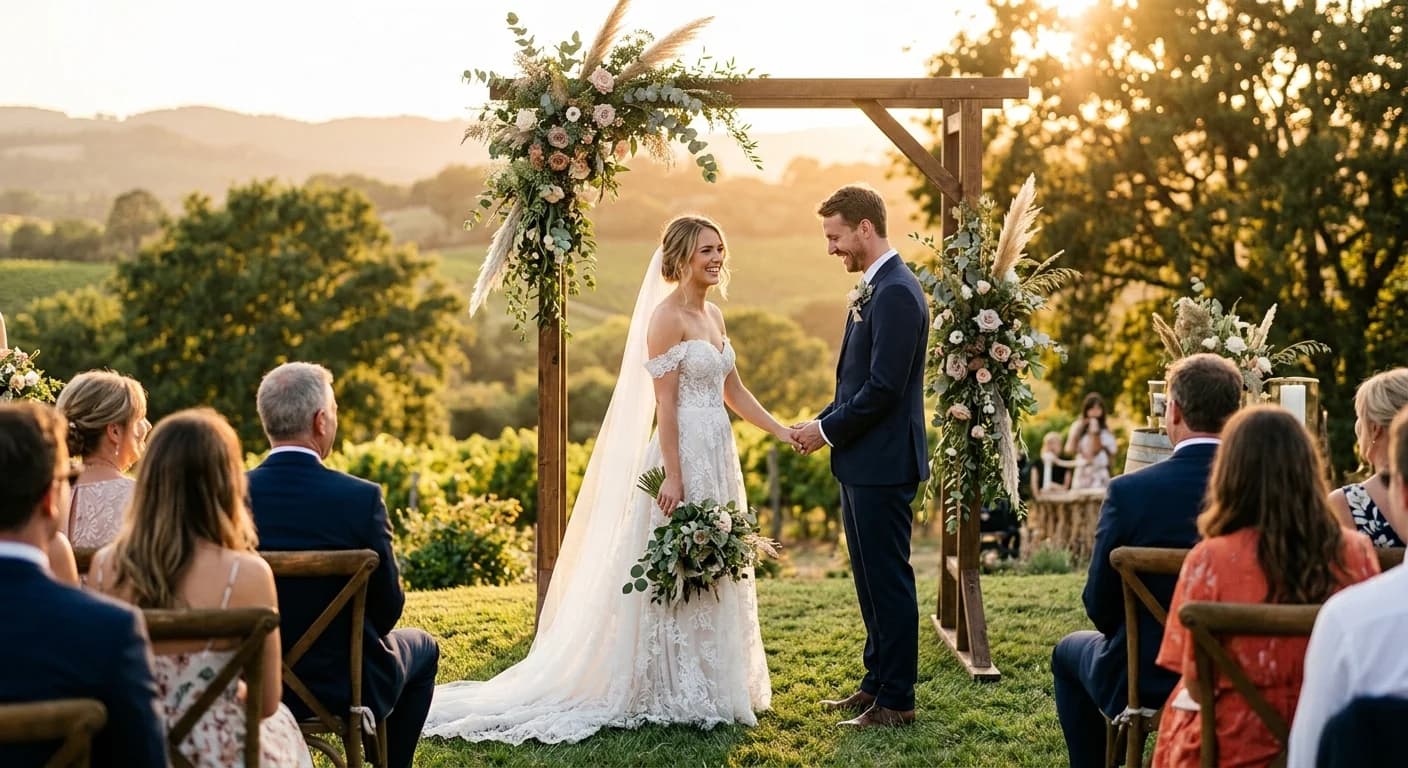
Unlike enclosed venues that require permits and vendor coordination, the pavilion operates on a public-use basis, no reservation system, no fee, no insurance requirement. That accessibility is rare in a city where so many sought-after locations demand lead time and paperwork. It’s one reason why so many Denver couples choose it for intimate elopements or “first look” moments before heading to a larger reception venue.
The pavilion’s design also supports storytelling in imagery. Its symmetry creates natural framing; its scale feels human, not overwhelming, not underwhelming. When paired with the surrounding mature trees and distant downtown skyline, it offers layers of visual interest without visual noise.
Why Photographers Love the Cheesman Park Pavilion Denver
Photographers who work regularly in Denver often return to the Cheesman Park Pavilion, not because it’s the flashiest location, but because it rewards intentionality. That’s where our Story-First Shoot methodology aligns perfectly. Before setting up a single reflector or adjusting a shutter speed, we ask: What emotion does this couple want to carry from this moment? What does “home” mean to this brand’s team? How does this space reflect who they are, not just where they are?
That conversation shapes everything: lens choice, movement direction, timing, even how we sequence final images. At the pavilion, golden hour is especially potent, soft light spills across the columns from the west, casting long, elegant shadows and warming the sandstone tones. Open shade beneath the pavilion roof offers consistent, even illumination, ideal for headshots, family portraits, or candid corporate coverage.
We avoid heavy artificial lighting here, not out of limitation, but out of respect for the space’s character. Instead, we use collapsible reflectors to lift shadows under chins or in eye sockets, and diffusion panels to soften midday sun filtering through the canopy above. It’s lighting as listening, not imposition.
Cheesman Park: More Than Just a Pavilion
Cheesman Park itself is a living layer cake of Denver history. Its 80 acres hold traces of Indigenous land use, early settler encampments, and the city’s complicated relationship with public space and memory. What began as a burial ground, the Mount Prospect Cemetery, was later repurposed in the 1890s after public outcry over hasty reburials and unmarked graves. The park’s current form emerged from a conscious effort to reimagine the land as restorative, communal, and beautiful.
Today, Cheesman Park serves Denver residents as both sanctuary and stage. You’ll find yoga groups stretching on the Great Lawn at sunrise, retirees feeding pigeons near the fountain, and teens tossing frisbees near the tennis courts. The pavilion sits quietly at the park’s geographic and emotional center, neither dominating nor disappearing, but holding space.
That duality makes it ideal for brands doing local storytelling. A Denver-based coffee roaster launching a neighborhood campaign might host a pop-up tasting under the pavilion, with photos capturing genuine interaction, not staged smiles. A nonprofit promoting urban green space might film short interviews there, letting the architecture and ambient park life speak without voiceover.
Planning Your Visit: Practical Details for Denver Residents and Visitors
If you're scheduling a session or event at the Cheesman Park Pavilion, practicality matters as much as poetry. Here’s what you need to know:
- Location: 3201 E 7th Ave, Denver, CO 80203, just east of York Street, with entrances off both 7th Ave and Clarkson Street.
- Parking: Yes, there is free street parking nearby, though spaces fill quickly on weekends. The nearest public lot is the City Park West lot (at 7th & Clarkson), which charges $1.50/hour but offers more reliability.
- Accessibility: The pavilion is fully wheelchair-accessible, with a gently sloped path from the main park entrance and level stone flooring beneath the roof.
- Amenities: No restrooms or electricity are available at the pavilion itself, nearest facilities are at the park’s east entrance (near the tennis courts) or at the Denver Botanic Gardens across York Street.
- Permits: Not required for casual use, though large groups (50+ people), amplified sound, or commercial filming do require a Denver Parks & Recreation permit.
Denver’s weather is famously variable, sunny one minute, sprinkling the next, so we always advise clients to check the hourly forecast and have a micro-plan: “If it’s 65° and breezy at 4:30 p.m., we’ll shoot west-facing at the pavilion. If clouds roll in, we’ll pivot to the sheltered east lawn near the rose garden.”
Capturing Authenticity: The Candid Edit Framework in Action
When editing images from the Cheesman Park Pavilion, we apply the Candid Edit Framework, not as a checklist, but as a compass. Our goal isn’t to make a place look “perfect.” It’s to make it feel true.
That means preserving the gentle grain of weathered stone, the slight blur of a passing cyclist in the background (if it adds life, not distraction), and the natural warmth of skin tones under dappled light. We correct exposure to match how the eye experienced the moment, not how a studio light would render it. Color grading leans into the pavilion’s natural palette: warm stone, cool green foliage, soft blue sky, never oversaturated or artificially cooled.
We sequence edited images to tell a quiet arc: arrival (a glance upward at the columns), presence (hands linked in the center aisle), connection (a shared laugh as light catches a cheekbone). This narrative flow matters whether you’re a Denver wedding couple reviewing proofs or a local startup building its About Us page.
Because the pavilion has no branding, no signage, no corporate logos, it’s a neutral stage where people become the subject. That makes authenticity non-negotiable. No skin smoothing that erases texture. No sky replacements that erase Denver’s big, breathing atmosphere. Just real light, real moments, and real people.
What Makes the Pavilion Stand Out Among Denver Venues
Denver has no shortage of picturesque locations, Red Rocks, City Park, the South Platte River Trail, but the Cheesman Park Pavilion occupies a distinct niche: human-scale historic elegance, zero friction.
Compare it to other Denver options:
- Red Rocks Amphitheatre: Iconic, yes, but requires permits, fees, and logistical coordination. Not ideal for a 20-minute headshot session.
- City Park’s Boat Lake or Ferril Lake: Beautiful, but less architectural definition, harder to anchor a composition.
- RiNo murals or LoDo brick walls: Stylish and urban, but trend-dependent and sometimes crowded.
The pavilion offers consistency. Its columns don’t change. Its orientation doesn’t shift. Its relationship to light remains predictable across seasons. That reliability lets photographers, and clients, focus on meaning, not management.
It also reflects Denver’s civic pride without leaning into cliché. You won’t find cowboy hats or mountain logos here, just clean lines, quiet dignity, and the subtle hum of a city that values both history and humanity.
Local Flavor: How Denver Businesses Use the Pavilion Creatively
Denver’s creative community leans into the pavilion in ways that go beyond tradition. A few real-world examples we’ve documented (with permission):
- A local ceramicist hosted a “clay & conversation” pop-up, arranging handmade mugs on a long linen table beneath the pavilion, with photos capturing the tactile joy of glaze and gesture.
- A Denver-based financial advisor filmed a short “Money & Meaning” video series there, using the pavilion’s structure as a metaphor for stability, with wide shots of the skyline representing forward vision.
- A neighborhood book club held its annual “author picnic” under the pavilion, with photos focusing on open books, shared snacks, and the relaxed focus of deep conversation.
These aren’t staged “brand shoots.” They’re lived moments, made more resonant by the pavilion’s quiet authority. That’s why, when Candid Studios works with Denver-based clients, we treat the pavilion not as a backdrop, but as a collaborator: one that asks for respect, rewards patience, and returns authenticity in full measure.
Frequently Asked Questions
Q: Is Cheesman Park a nice area of Denver?
A: Yes, Cheesman Park is widely regarded as one of Denver’s most desirable neighborhoods. It’s known for its historic homes, tree-lined streets, proximity to downtown, and strong sense of community. The park itself is well-maintained, safe, and popular with residents of all ages for recreation, relaxation, and events.
Q: What is the story behind Cheesman Park Denver?
A: Cheesman Park began as the Mount Prospect Cemetery in the 1850s. After public outcry over improper reburials in the 1890s, the land was transformed into a public park. Renamed in 1907 for Denver philanthropist Mary Cheesman, it was redesigned by landscape architect Reinhard Schuetze and has since served as a civic centerpiece, blending history, horticulture, and urban life.
Q: Is there free parking at Cheesman Park?
A: Yes, free street parking is available on surrounding residential streets like Clarkson and 7th Avenue, though spots fill quickly on weekends and nice-weather days. The nearby City Park West lot charges $1.50/hour and offers more availability.
Q: What is Cheesman Park in Denver?
A: Cheesman Park is an 80-acre historic urban park in central Denver, operated by Denver Parks & Recreation. It features open lawns, mature trees, walking paths, tennis courts, a fountain, and the iconic Cheesman Park Pavilion. It’s a hub for recreation, community events, and quiet reflection.
Q: Can you get married at the Cheesman Park Pavilion?
A: Yes, you can hold a wedding ceremony at the Cheesman Park Pavilion. It’s a free, public space with no reservation system, making it ideal for intimate elopements or “first look” moments. Larger weddings typically pair it with a nearby reception venue, as the pavilion has no restrooms, electricity, or vendor setup infrastructure.