A Guide to Branded Video Production
A Guide to Branded Video Production
So, what exactly is branded video production? Think of it as crafting a visual story that brings your company’s personality, values, and mission to life. This isn't about just making another advertisement; it's about forging genuine emotional connections that can turn a casual observer into a devoted fan of your brand.
Why Branded Video Is Your Most Powerful Storytelling Tool

Picture your brand as a person trying to make new friends at a party. You could just pass out flyers with bullet points about yourself, or you could tell a great story that makes people want to pull up a chair and get to know you. That's what branded video does. It’s less about selling a product and more about sharing your purpose—your culture, your mission, and the unique spark that drives you—in a way that truly connects with people.
This method completely changes the marketing game from a one-way broadcast into a real conversation. While words on a page can certainly inform, video is a powerhouse for conveying emotion, tone, and personality through a mix of visuals, sound, and narrative. It’s an immersive experience that sticks with people. In fact, studies show that viewers remember an incredible 95% of a message they see in a video, compared to only 10% when they read it in text. That's a massive difference, making video essential for being heard above the constant digital chatter.
Building Connections Beyond the Sale
The real magic of branded video is its ability to build trust and create a sense of kinship. When a potential customer sees a video that tells your company's origin story or features the dedicated people working behind the scenes, they no longer see a faceless business. They see authenticity, passion, and maybe even a reflection of their own values.
This is where strategic storytelling makes all the difference. It's what elevates content from being just another piece of marketing to a video that inspires people and creates real brand loyalty. The goal isn't a quick sell; it's to earn their attention and build a connection that sticks around long after the credits roll.
A Strategic Asset for Growth
At the end of the day, investing in professional branded video production is a smart business move. It directly boosts your bottom line by making your brand more human and relatable. A compelling story can turn a first-time buyer into a lifelong supporter who not only trusts your message but is excited to share it with their network.
These videos are versatile assets that work hard for you at every stage of the customer journey:
- Top of Funnel: An engaging brand film or a series of snappy social media clips can introduce your story to a whole new audience.
- Middle of Funnel: Detailed explainer videos and heartfelt customer testimonials are perfect for educating potential customers and building serious credibility.
- Bottom of Funnel: In-depth product demos or personalized video messages can be the final touch that helps close a deal and welcome a new client.
Beyond simply telling your story, well-made branded videos are incredibly powerful tools to improve brand awareness and solidify your identity in the market. Each video you create becomes a valuable asset that works for you around the clock. To see this in action, checking out how a powerful narrative can define a brand's image provides some great lessons for creating a successful Miami commercial video at Successful Miami Commercial Video.
Your Roadmap to the Branded Video Production Process
Jumping into a branded video project can feel a lot like planning a major expedition. If you don't have a map, it’s surprisingly easy to get lost.
Thankfully, the entire process follows a proven, three-phase framework that keeps everything on track. This simple roadmap breaks the journey into manageable stages: pre-production, production, and post-production.
Knowing what happens in each phase gives you the confidence to manage a project, whether you're working with your in-house team or a dedicated video agency. It's the key to turning a great idea into an asset that actually works.
Phase 1: Pre-Production and Strategic Planning
This is where the real work begins—the blueprinting stage. Think of it like an architect meticulously designing a building before a single brick is laid. A solid pre-production phase is the single most important factor in a successful video shoot. It prevents expensive mistakes and ensures the final video hits its mark.
First up is concept development. You need to get crystal clear on what you want the video to achieve. Are you trying to build brand awareness? Generate new leads? Maybe explain a complex product? The answers shape every decision that follows. This is also when you dive into scriptwriting, crafting the story that will carry your message and hook your audience.
Key Takeaway: Pre-production is where 90% of the problem-solving happens. A well-planned project runs smoothly, stays on budget, and delivers a video that’s both smart and compelling. Rushing this stage almost always causes headaches later on.
Once the script is locked, the visual planning starts with storyboarding and creating a shot list. A storyboard is basically a comic-book version of your video, mapping out key scenes and camera angles. The shot list is even more detailed—it’s a checklist for the crew on set, detailing every single shot required to bring the story to life.
Other crucial pre-production steps include:
- Budgeting: Figuring out the resources needed for crew, gear, locations, and editing.
- Casting: Finding the right on-screen talent to be the face of your brand.
- Location Scouting: Securing the perfect backdrops to match the video’s tone.
- Scheduling: Coordinating all the moving parts into a detailed production schedule.
Phase 2: Production and Capturing the Vision
With a rock-solid plan, it’s time for the production phase. This is the part most people picture when they think of filmmaking—cameras rolling, the director calling "action," and the vision starting to take shape. The success of this stage hinges entirely on how thorough the pre-production work was.
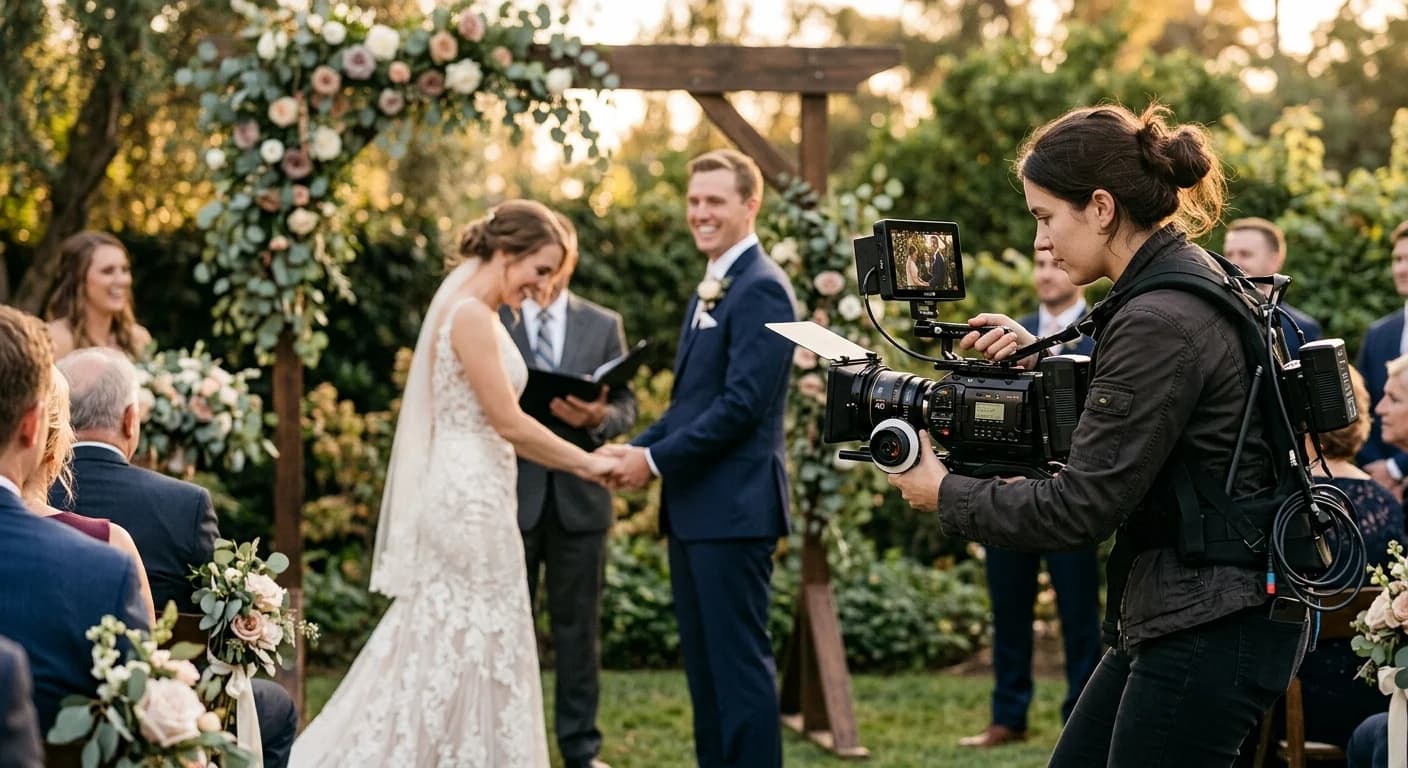
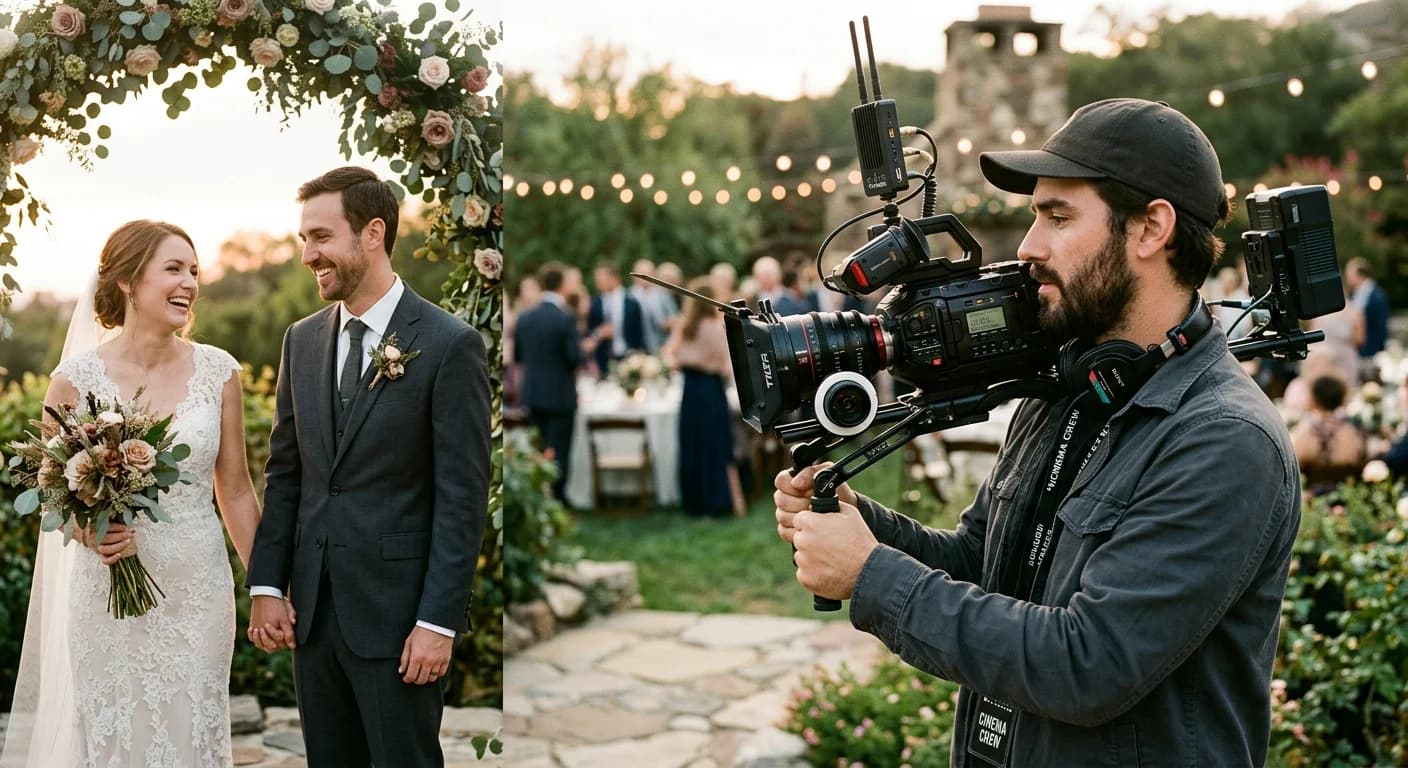
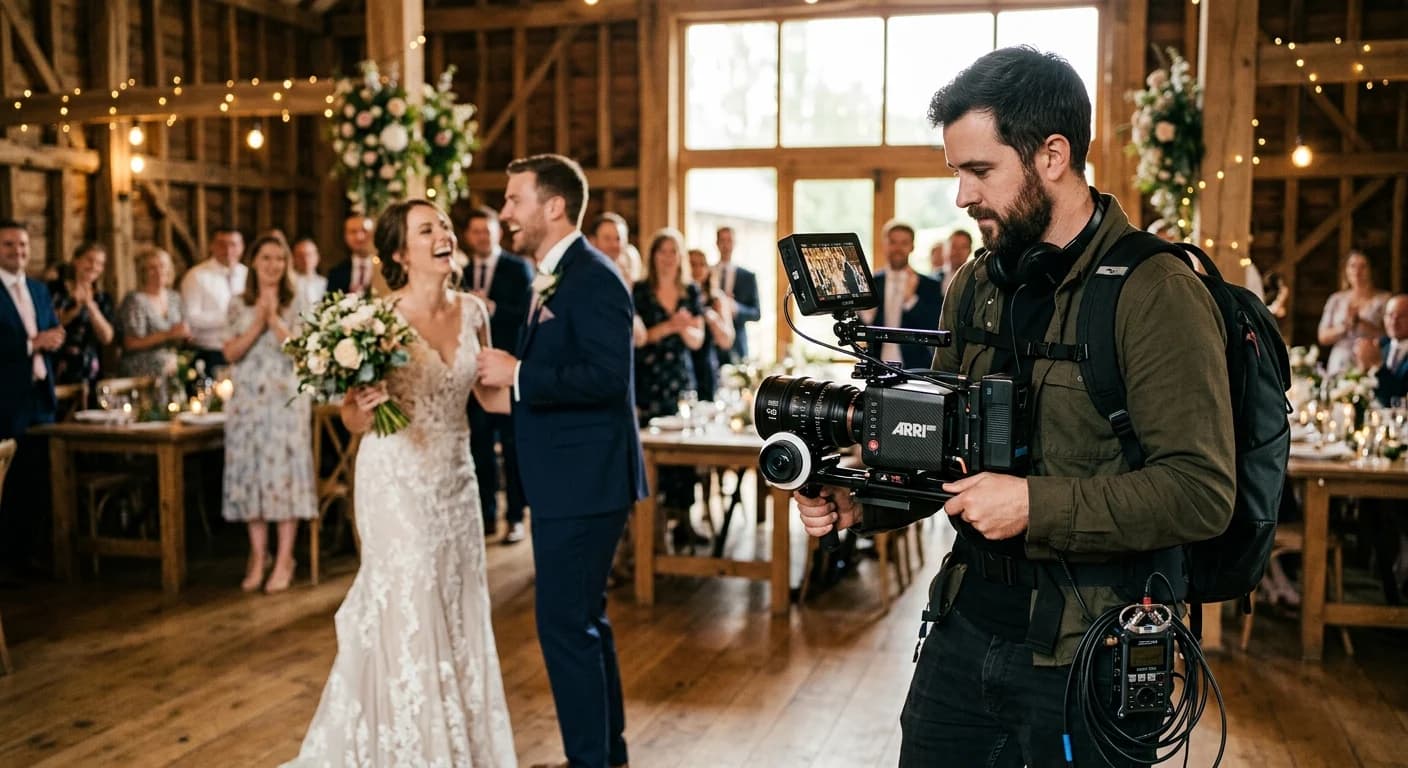
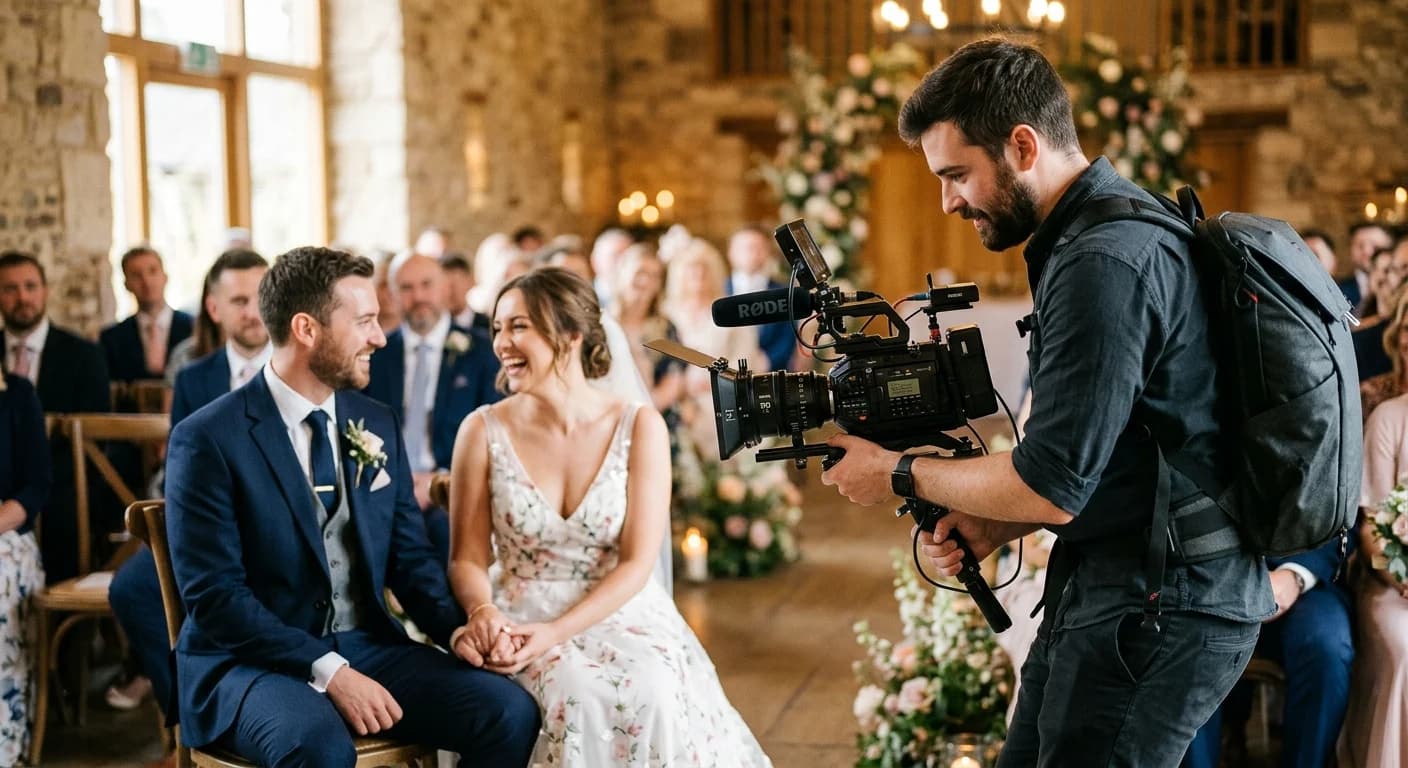
On set, the director guides the talent and crew to capture each scene just as planned in the storyboard. The cinematographer (or Director of Photography) handles all things visual—lighting, camera movement, and framing—to create the right look and feel. At the same time, the audio team is focused on capturing crystal-clear sound, which is absolutely non-negotiable for a professional video. For a deeper look at what this involves, you can explore our in-depth guide to video production for business.
[
This phase is a dynamic dance of coordination. The whole crew works together to get every shot efficiently, sticking to the schedule built during pre-production. Whether you're filming in a studio or on location, the goal is simple: gather all the raw footage and audio needed for the final cut.
Phase 3: Post-Production and Bringing the Story to Life
Once filming is wrapped, the project enters its final phase: post-production. This is where the magic really happens. All the raw footage and audio files are handed off to the editing team, who begin assembling the pieces into a cohesive story. It's a bit like a sculptor carving a masterpiece from a block of stone.
The editing process itself is intricate and has several key steps:
- Assembly Edit: The editor lays out the best takes in sequence, following the script to create a rough cut of the story.
- Sound Design: The audio is mixed, dialogue is cleaned up, and music and sound effects are layered in to create an immersive, emotional experience.
- Color Grading: A colorist adjusts the color and tone of the footage to create a consistent, cinematic look that matches the brand’s aesthetic.
- Graphics and Effects: Motion graphics, text overlays, or any visual effects are added to provide context and extra visual punch.
- Final Review: The video goes through rounds of feedback and tweaks until it perfectly aligns with the project’s original goals.
This final polish is what separates an amateur video from a professional piece of branded content that truly captivates an audience.
To make this even clearer, here's a simple breakdown of the entire workflow.
Three Phases of Branded Video Production
Phase
Key Activities
Primary Objective
Pre-Production
Scripting, storyboarding, budgeting, casting, location scouting, scheduling
Create a comprehensive and strategic blueprint for the entire project.
Production
Filming scenes, directing talent, capturing audio, lighting shots
Execute the pre-production plan to capture all necessary raw footage and audio.
Post-Production
Editing footage, sound design, color grading, adding graphics, final reviews
Assemble, refine, and polish all assets into a compelling final video.
This structured approach is what ensures a smooth process and a high-quality outcome every time.
The rising importance of getting this process right is undeniable. By 2025, online video is projected to account for a staggering 82% of all internet traffic, and 87% of marketers already credit their video strategies with boosting brand recognition.
](https://www.candidstudios.net/video-production-for-business/)
This trend makes one thing clear: mastering the branded video production process is no longer just a nice-to-have for businesses. If you want to see why so many companies are investing heavily in this medium, check out these 2025 video marketing statistics.
The Tangible Business Benefits of Branded Video
Let's be clear: investing in professional branded video isn't just a "nice-to-have" creative project. It's a strategic business move with a very real, measurable return on investment. While great storytelling is fantastic for building an emotional connection, it’s the tangible outcomes that truly justify the spend. We're talking about direct impacts on growth, sales, and your bottom line.
Think of a well-crafted video as your best salesperson, one that works around the clock to engage and persuade potential customers. When you put a compelling video on a landing page, for instance, you can see conversion rates jump by over 80%. Why? Because video is incredibly efficient. It communicates value, answers questions, and builds trust far faster than a page of text ever could.
This boost in engagement creates a powerful ripple effect across your entire online presence. Search engines like Google absolutely love content that keeps people on a page longer. Since video is so good at holding attention, websites that use it are a staggering 53 times more likely to rank on the first page of search results. That translates directly to a ton of valuable organic traffic.
Driving Conversions and Building Trust
High-quality video has a direct and proven impact on how people shop and make decisions. In fact, 87% of marketers credit video with directly helping them increase sales. It has a unique ability to make an abstract service feel concrete or a complex product easy to understand.
Take a customer testimonial, for example. Reading a positive review is good. But seeing and hearing a real, satisfied client share their success story? That creates a layer of authenticity and social proof that's almost impossible to fake. This is the kind of credibility that turns a hesitant prospect into a confident buyer.
The process of creating these assets is just as strategic as how you use them. The infographic below breaks down the typical workflow for turning a simple idea into a powerful business tool.
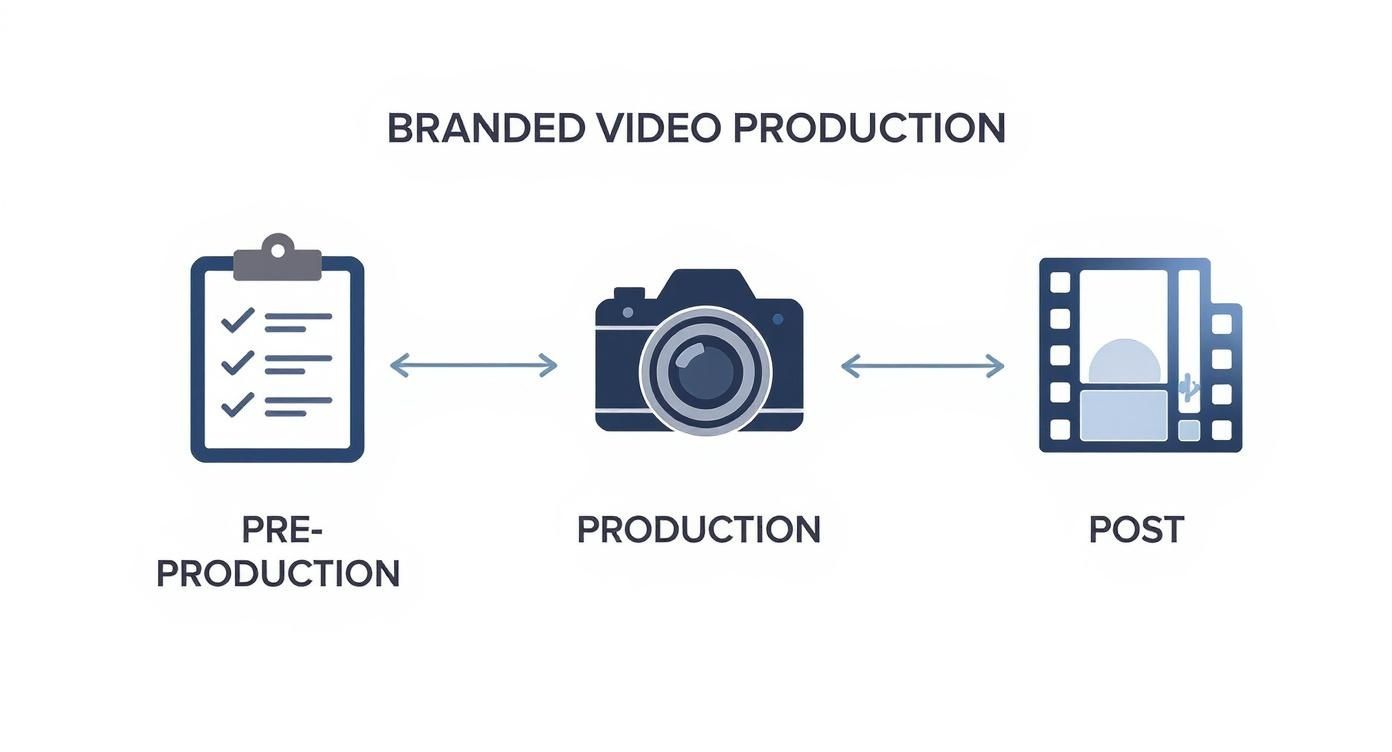
This structured process, from the initial concept in pre-production to the final edits in post-production, ensures every decision is made with your business goals in mind.
Amplifying Your Reach on Social Media
When it comes to social media, video isn't just an option—it's king. Social platforms are built to favor video, giving it more organic reach and engagement than static images or text posts. A truly shareable video can spread your brand's message like wildfire, reaching new audiences without you having to spend another dime on ads.
Imagine an explainer video that breaks down a tricky topic in your industry. When people share it, the video not only promotes your brand but also positions you as a helpful expert. That kind of educational content builds real goodwill and keeps your brand top-of-mind.
A brand video isn't just a piece of content; it's a versatile asset. The same video can be repurposed for email campaigns, sales presentations, social media ads, and your website, maximizing its value and ensuring a consistent message everywhere.
Here’s a quick look at a few other ways video delivers real results:
- Higher Click-Through Rates: Just putting the word "video" in an email subject line can increase click-through rates by up to 300%.
- Improved Information Retention: Your audience will remember 95% of a message they see in a video, compared to only 10% when they read it.
- Increased Purchase Intent: An incredible 90% of consumers say product videos are a key part of their decision-making process.
At the end of the day, branded video production isn't an expense; it's a force multiplier for all your marketing efforts. Each video you create is out there working to attract, engage, and convert your audience more effectively than almost anything else. By focusing on creating high-quality, story-driven content, you’re not just making videos—you’re building a more profitable and resilient brand.
Choosing the Right Type of Branded Video for Your Goals
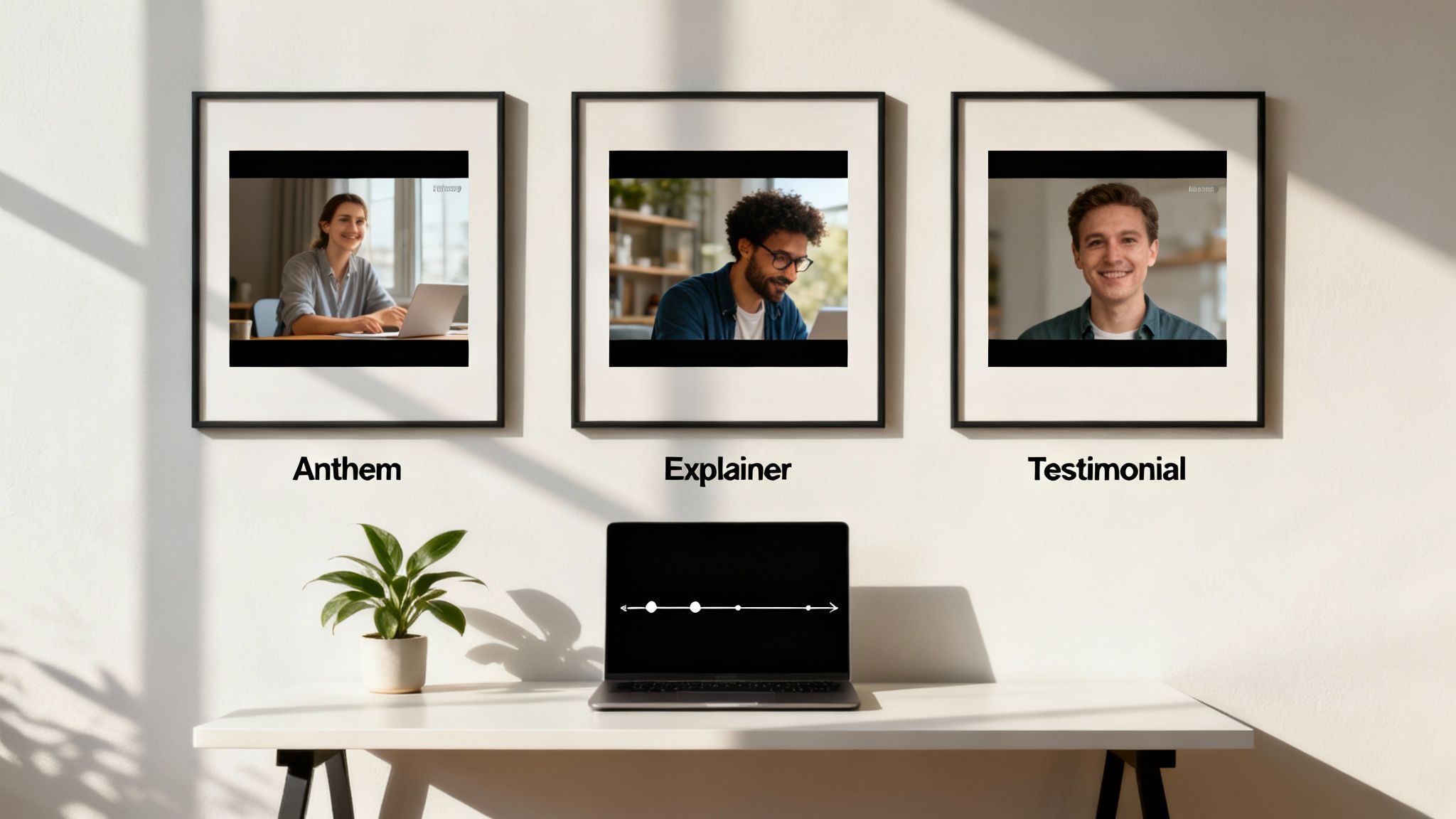
Picking the right video format is a lot like choosing the right tool for a job. You wouldn't use a sledgehammer to hang a picture, right? In the same way, the epic brand anthem that gets people excited about your mission won't be the best choice for closing a sale. Each type of video has its own unique superpower.
The secret to a winning video strategy is matching the format to your specific goal. A smart branded video production plan will include a mix of content that meets your audience wherever they are—from the moment they first hear about you to the point where they’re ready to buy.
Let's break down some of the most effective video formats and see where they fit best.
Brand Films and Anthems for Emotional Connection
Think of a brand film as your company’s cinematic mission statement. These videos aren't about a hard sell. They’re all about creating a genuine, emotional connection by telling a compelling story about your brand's purpose, your values, or where you came from.
The main goal here is to build awareness and a real sense of affinity. A great brand film can put a human face on your company, making it far more memorable and relatable. By focusing on the "why" behind what you do, you invite people to connect on a deeper level, building loyalty that goes way beyond a single purchase.
Explainer Videos That Simplify Complexity
Is your product or service a little complicated? If so, an explainer video is about to become your best friend. These short, snappy videos—often animated—are masters at breaking down complex ideas into simple, easy-to-understand concepts. They are perfect for your homepage or main landing pages.
The real magic of an explainer is how quickly it gets your value across. In fact, 44% of viewers would rather watch a short explainer to learn about a product than read about it. By clearly showing what you do and why it matters, you make it easier for potential customers to see the light.
An explainer video acts as your digital elevator pitch, working 24/7 to educate potential customers. It answers the crucial questions—"What is this?" and "How does it help me?"—before a visitor even thinks to ask.
This format is a game-changer for tech companies, SaaS platforms, and any business where the benefits aren't immediately obvious. It turns confusion into clarity and smoothly guides people to the next step.
Customer Testimonials for Building Trust
Nothing builds credibility faster than social proof. Customer testimonial videos feature real, happy clients sharing their honest experiences with your brand. These authentic stories are incredibly powerful because they come from someone your audience can trust—a peer.
Testimonials build undeniable trust and help vaporize any doubts a potential customer might have. When a prospect sees someone just like them who solved a similar problem with your help, it validates their own decision-making process. It's a powerhouse format for the final stages of the buying journey, often giving people the last bit of confidence they need to convert.
To capture these stories effectively, many businesses use a professional guide to hiring a business videographer to ensure the final cut is both authentic and polished.
Behind-the-Scenes Content to Humanize Your Brand
Pulling back the curtain to show the people and processes that make your company tick is a fantastic way to build a stronger bond with your audience. Behind-the-scenes (BTS) content can showcase your company culture, the detailed craftsmanship behind your products, or just a day in the life of your team.
This type of video is less about a perfect, polished final product and more about being real. It helps your audience see the actual people behind the brand, making you more relatable and trustworthy. BTS content is gold for social media, especially for stories, and can give your engagement a serious boost by making followers feel like they’re part of an inner circle.
Best Practices for Creating Videos That Actually Engage
Making a pretty video is one thing. Making a video that someone actually watches all the way through—and then acts on—is a completely different ballgame. The real secret isn't fancy effects; it's a handful of core principles that separate forgettable content from videos that make a genuine impact.
It really all comes down to the first three seconds. We live in a world of infinite scrolling, so you have a very small window to grab someone's attention. A powerful hook is non-negotiable. Whether it's a surprising question, a jaw-dropping visual, or a bold claim, you have to do something that stops the scroll.
Nail the Fundamentals First
Before you can worry about telling a compelling story, you have to get the basics right. No amount of creativity can make up for a video that's physically hard to watch or listen to. Solid technical quality is the bedrock of any good branded video.
One of the most common—and most damaging—mistakes is bad audio. People will forgive a slightly shaky camera or less-than-perfect lighting, but they have zero patience for muffled, distorted, or noisy sound. If they can't hear you clearly, they're gone. For a closer look at the gear that makes this possible, you might find our guide on the best video cameras for videography and filmmaking helpful.
Beyond the technical stuff, authenticity is your north star. Today's audiences have a built-in radar for sales pitches.
Focus on telling a genuine story that provides value or evokes an emotion. An authentic narrative builds trust and forges a connection that a classic advertisement almost never can.
Optimize for Modern Viewing Habits
Let’s be honest: the way people watch videos has completely changed. A huge chunk of your audience is on their phone, probably with the sound off. If you ignore this reality, you're missing a massive opportunity to connect.
Designing for silent viewing isn't just a nice-to-have anymore; it's essential. This means burning clear, easy-to-read captions or subtitles directly into your videos. It makes your content accessible to people in public places, at the office, and to those with hearing impairments, which instantly widens your potential audience.
Finally, never, ever end your video without a clear and direct call-to-action (CTA). Tell people exactly what you want them to do next.
- Be Specific: Don't just say "learn more." Try "Download our free guide," "Schedule your demo," or "Shop the new collection."
- Make it Easy: Give them a clickable link or a simple next step that takes two seconds to complete.
- Create Urgency: When it makes sense, add a little nudge like "Limited-time offer" to encourage them to act now.
The sheer scale of digital video advertising shows why these details are so critical. Global spending shot past $191 billion USD in 2024. And with platforms like TikTok poised to grab nearly 40% of that revenue by 2027, the trend toward short-form, mobile-first video is undeniable.
To get the most out of your efforts, especially on key platforms, it's crucial to optimize video for YouTube to make sure people can actually find it. By sticking to these proven tactics, you can create videos that don't just get views, but get results.
[
Common Questions About Branded Video Production

As you start mapping out your video strategy, it’s completely normal to have questions. Branded video is a big world, but a few key concerns almost always pop up for businesses taking their first big swing.
Let’s tackle some of the most common questions head-on. We'll get straight to the point on budgeting, strategy, and figuring out if your videos are actually working.
How Much Does Branded Video Production Typically Cost?
This is the big one, and the honest answer is always, "it depends." Costs can swing wildly from a few hundred dollars for a simple social media clip shot in-house to tens of thousands for a polished brand film with a full crew, actors, and detailed post-production.
The final budget is really a mix of different ingredients: video length, animation style, location rentals, and the crew's experience all play a part. To get a better handle on the numbers, you can dig into a detailed breakdown of corporate video production costs and see where the money goes. The trick is to lock in your goals first, then find a production partner who fits your budget.
What Is the Difference Between Branded Content and a Video Ad?
At first glance, they can look alike, but they're playing two completely different games. A video ad is usually a direct pitch. It's built to persuade and push for a specific action right now, like clicking a "buy now" button.
Branded content, on the other hand, is all about the story. It aims to entertain, inform, or provide value, pulling the audience into your brand's world. It’s a softer touch designed to build a real connection.
Think of it this way: An ad interrupts you to say, "Buy this!" Branded content earns your attention with a great story that makes you want to be a part of what the brand stands for. One is about a quick transaction; the other is about long-term loyalty.
How Do I Measure the ROI of My Branded Videos?
Measuring the return on investment (ROI) of your video all comes back to the goals you set from the very beginning. There isn't a one-size-fits-all metric. You have to match your Key Performance Indicators (KPIs) to what you wanted the video to achieve in the first place.
Here’s how that might look:
- Goal: Brand Awareness. Look at metrics like view count, average watch time, and how many people are sharing it on social media.
- Goal: Consideration. You’ll want to track the click-through rate (CTR) from your video to your website or a product page. Are people taking the next step?
- Goal: Conversions. This is where you get specific. Use dedicated landing pages and unique tracking links to see exactly how many leads or sales came directly from your video campaign.
](https://247livestream.live/blog/optimize-video-for-youtube.html)
Ready to tell your brand's story with stunning visuals? The team at Candid Studios specializes in creating cinematic and authentic videos that connect with your audience. Visit us today to learn how our professional videography services can bring your vision to life.