How to Prepare for a Photoshoot The Ultimate Guide
How to Prepare for a Photoshoot The Ultimate Guide
Getting ready for a photoshoot really comes down to three things: nailing down your creative vision, getting in sync with your photographer, and sorting out all the little details like what to wear and where to shoot. When you get this groundwork right, it’s the difference between a good session and a truly great one.
Laying the Groundwork for a Flawless Photoshoot

The magic of a stunning photo doesn't just happen when the shutter clicks. It starts way before, with a clear idea and some thoughtful planning. Think of yourself as the director of your own story. What feeling are you trying to capture? Is it the warm, candid vibe of family portraits, or something more polished and professional for your brand?
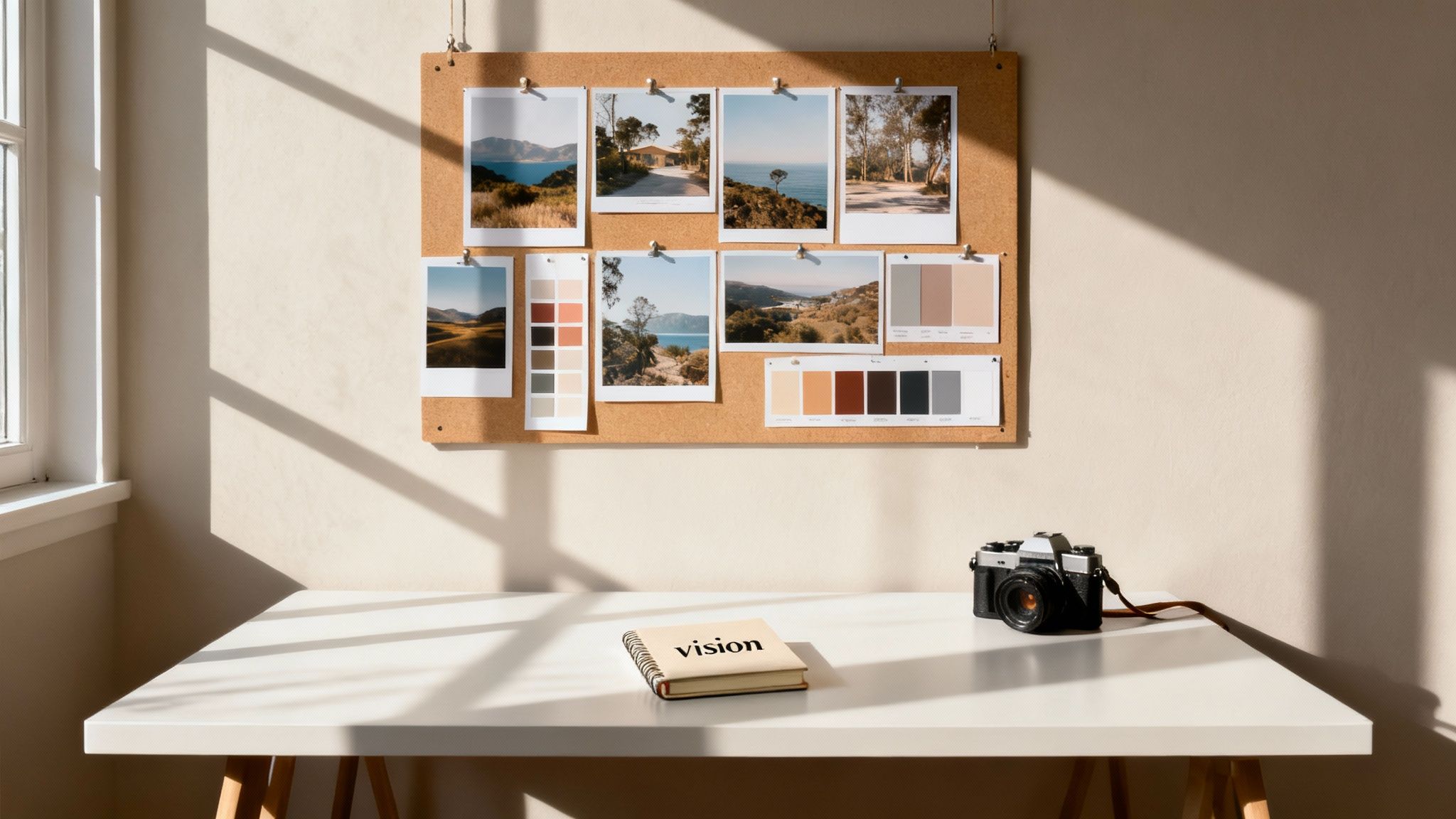
This is the fun part where you get to dream big but also get really specific. I always tell my clients to start with a mood board. Pinterest is perfect for this—you can pull together images that have the right aesthetic, color scheme, lighting, and overall feel you’re going for.
Defining Your Vision and Goals
That mood board you create? It’s more than just a collage of pretty pictures; it’s your most powerful communication tool. It visually translates what’s in your head, making sure you and your photographer are on the exact same page from day one.
A clear vision helps you answer the big questions that will shape the whole shoot:
- What's the main goal? Are you creating fresh content for your Instagram, updating a professional headshot, or capturing a personal milestone like an engagement?
- Who are you trying to reach? Knowing your audience changes everything, from wardrobe to posing. For instance, the whole approach for a casual lifestyle photography session is worlds away from a corporate headshot.
- What story are you telling? A single photo can scream joy, quiet confidence, or deep connection. Pinpointing this helps create genuine, authentic moments.
This back-and-forth collaboration is absolutely essential. Your photographer brings the technical skills and artistic eye, but your vision is what makes the final photos uniquely yours.
Scouting the Perfect Location and Time
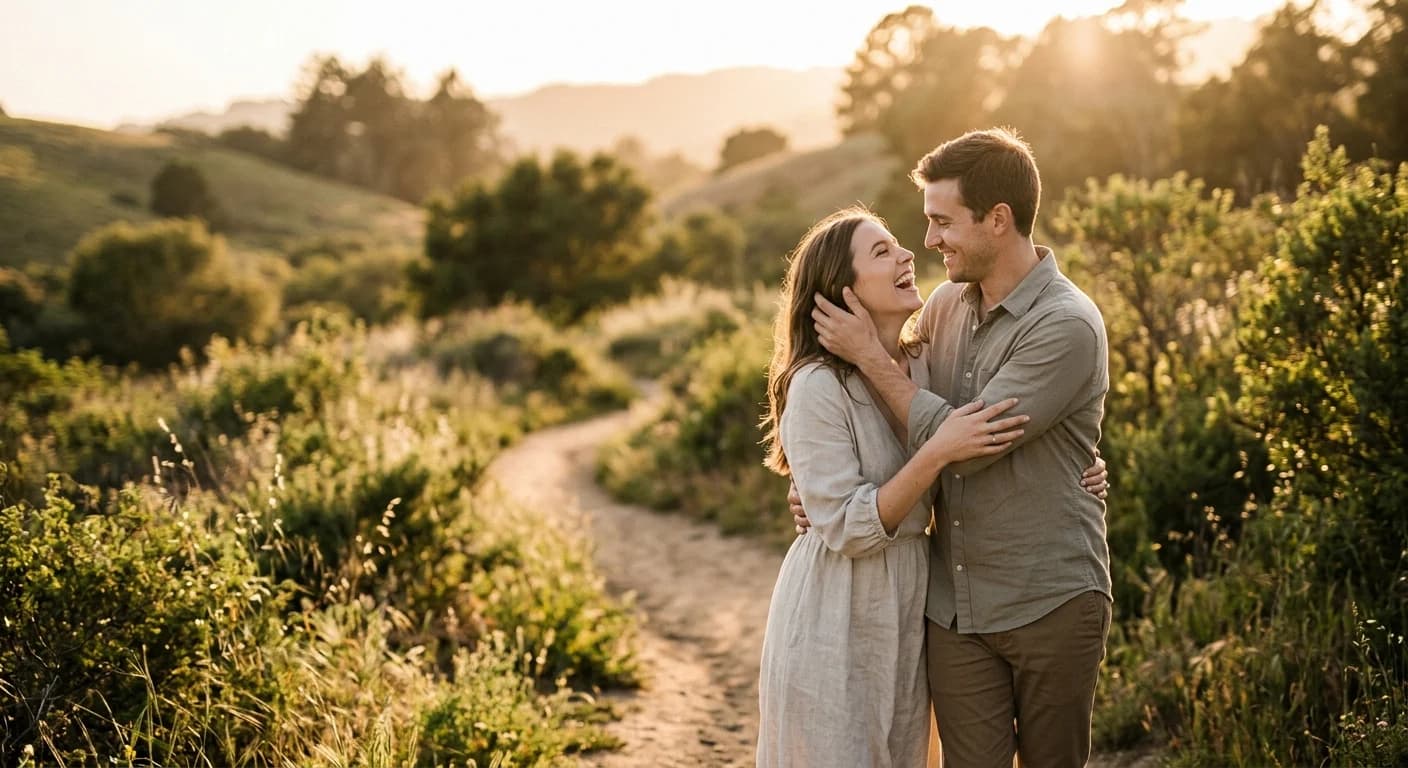
Your location isn't just a background; it's a character in the story. The right setting can amplify the mood and perfectly complement your outfits. A gritty urban streetscape tells a completely different story than a serene, sun-drenched field. I suggest thinking about places that mean something to you or that align with your brand's personality.
Timing is just as important, especially if you’re shooting outside. You’ve probably heard of the "golden hour"—that magical bit of time right after sunrise or just before sunset. It gives you this soft, warm, flattering light that’s almost impossible to fake. Chat with your photographer about the best time to shoot, keeping the season and your specific location in mind to catch that perfect glow.
Key Takeaway: Don't treat location and timing like afterthoughts. They are core creative choices that directly shape the mood, quality, and emotional punch of your final images.
Even the small details can have a huge impact. For instance, bringing in props like some fresh flower arrangement ideas can add a pop of color, texture, and personality to your shots, taking the whole look to the next level. This kind of intentional detail ensures every single element is working together.
It's a great time to be planning a shoot. The photography industry is always changing, and new tech is making things smoother for everyone. The global photo studio market is even projected to hit $81.8 billion by 2032, partly because AI-powered editing tools are handling the tedious work. This frees up photographers to focus more on what matters most—collaborating with you.
Your Essential Photoshoot Planning Checklist
To keep everything on track, I've put together a simple checklist. Use this to guide you through the process, from that first spark of an idea all the way to shoot day.
Planning Phase
Critical Task
Impact on Your Photos
Concept & Vision
Create a mood board and define your primary goal.
Ensures a cohesive and purposeful aesthetic.
Photographer
Find and book a photographer whose style you love.
Aligns artistic direction with your vision.
Location & Timing
Scout, select, and schedule the perfect spot and time.
Determines the mood, lighting, and overall feel.
Wardrobe
Plan and coordinate outfits that match the vibe.
Enhances the story and makes you feel confident.
Props & Details
Decide on any props or extra elements to include.
Adds personality and visual interest to the shots.
Final Prep
Confirm all details with your photographer a week before.
Guarantees a smooth, stress-free photoshoot day.
Following these steps helps turn a potentially stressful process into a creative and enjoyable experience, which always shines through in the final images.
Choosing Your Wardrobe to Tell a Story
Your outfits are so much more than just clothes—they're a huge part of the story we're telling together. The right wardrobe can completely transform the feel of your photos, tying everything together and, most importantly, making you feel incredible. Think of your clothing as a supporting character; it’s there to complement the star of the show: you.
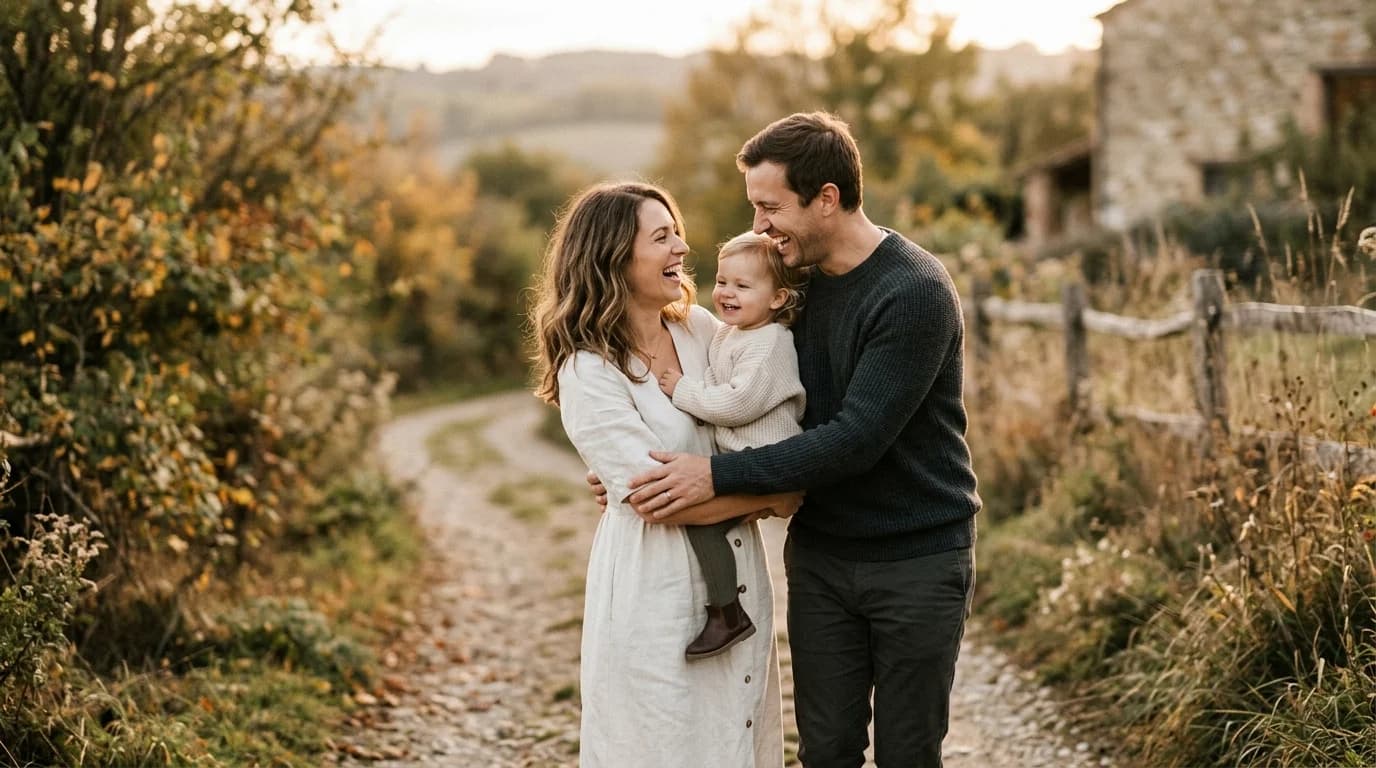
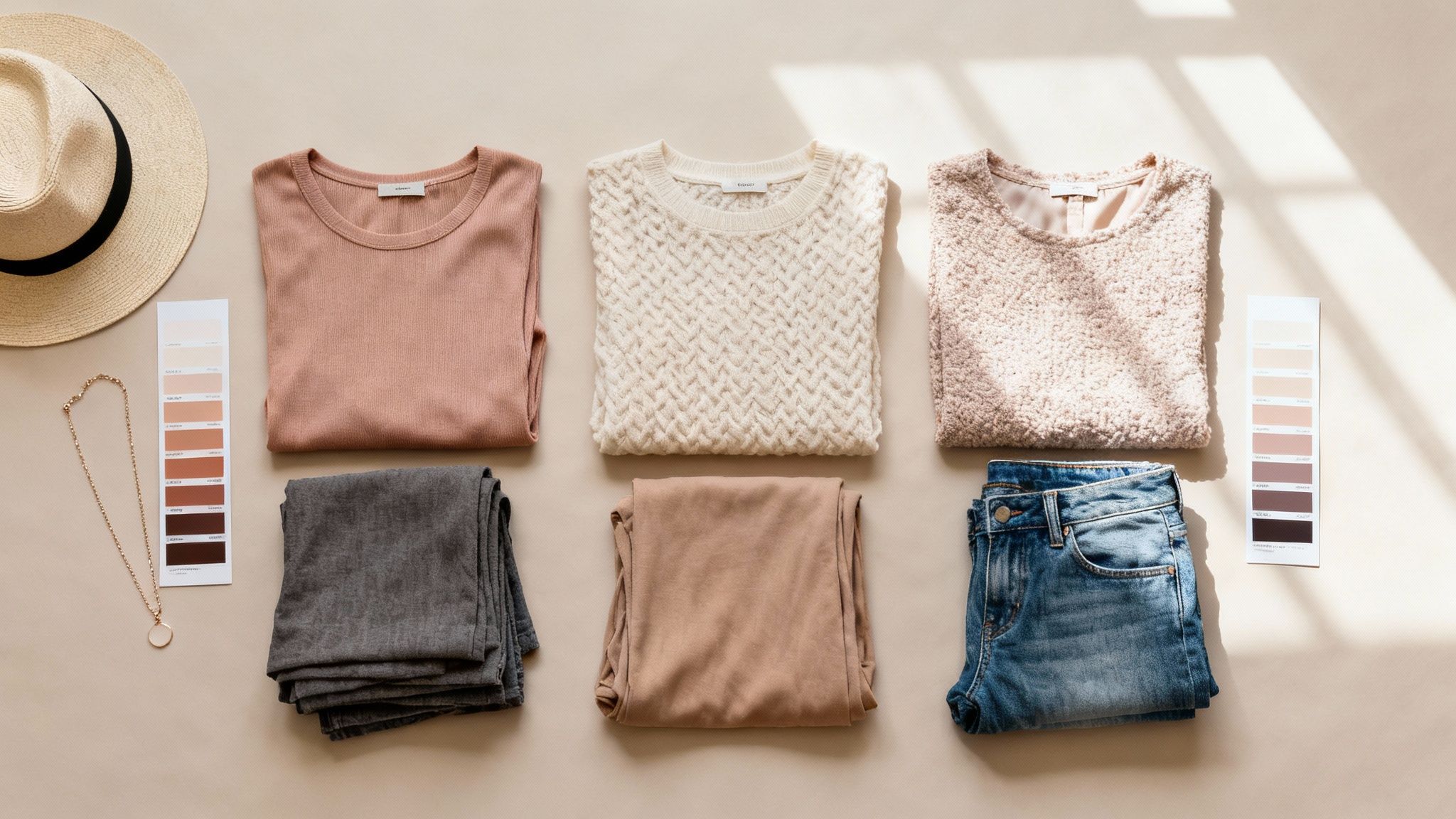
We want to create a sense of harmony between you, what you're wearing, and the location. For a session in a beautiful, rustic park, think about pulling colors from the environment itself—earthy tones like olive green, warm rust, or soft creams always look amazing. On the other hand, a pop of a bold, vibrant color can look absolutely stunning against a minimalist urban backdrop.
Harmonize Colors and Textures
When you're pulling outfits from your closet, think about how they'll interact with the setting. You want your clothing to feel like it belongs there, not like it's fighting for attention.
Texture is also a secret weapon for adding depth and visual interest. Things like a chunky knit sweater, soft denim, flowing linen, or delicate lace catch the light in really beautiful ways. It’s a subtle detail that adds a tactile quality, making the images feel more dynamic and alive.
Here are a couple of ideas to get you started:
- For Nature Settings: Lean into organic materials. Flowy dresses, soft cotton shirts, and textured sweaters in colors you’d find in nature—blues, greens, browns, and muted tones—work beautifully.
- For Urban Environments: You can go for something a bit more structured. Think a sharp blazer, great-fitting dark jeans, or a sleek dress in a solid, bold color. Classic neutrals like black, white, or gray also create a powerful, modern look.
Prioritize Timeless Pieces Over Trends
Trendy outfits are fun for an Instagram post, but for photos you'll treasure for a lifetime, classic pieces are the way to go. They simply don't age. This is where solid colors really shine; they keep the focus squarely on you and your expressions, which is exactly where it should be. Busy, loud patterns can be really distracting and pull the eye away from your face.
This doesn't mean your clothes have to be boring! You can still inject plenty of personality. If you need some more direct inspiration, we've put together a complete style guide on what to wear for your photoshoot.
My best advice is to choose one to three outfits that show different sides of who you are. Maybe one is classic and polished, another is casual and relaxed, and the third is a bit more adventurous or formal. This variety is what gives you a rich, diverse gallery of images.
A quick word of caution: try to avoid large logos, graphics, or any text on your clothing. They immediately become the focal point and can make your photos feel more like an ad than a personal portrait.
And finally, the most important rule is to be comfortable. If you’re fidgeting with a strap or feeling self-conscious in something that's too tight, it will show on camera. Choose clothes you can move in, sit in, and feel completely yourself in. When you feel good, you look good—that genuine confidence is what makes a photograph truly glow.
Getting Camera-Ready: Mind, Body, and Mood
The secret to truly unforgettable photos isn’t a perfect pose or an expensive outfit—it's genuine confidence. And that starts long before you ever step in front of the lens. I always tell my clients to think of the few days before their session as a mini-retreat designed to make them feel incredible.
It all starts with the simple things, which honestly have the biggest impact. Hydrate, hydrate, hydrate. Drinking plenty of water is the easiest trick in the book for getting that healthy, natural glow from within. Try to get at least seven hours of quality sleep each night, too. You’ll not only look refreshed, but you'll feel more energized and present.
A Simple Pre-Shoot Self-Care Routine
You don't need a full-blown spa day to get ready for your close-up. A little intentional self-care can work wonders for both your appearance and your confidence.
- Stick to Your Skincare: Now is not the time to experiment. Avoid any new or harsh treatments like chemical peels or aggressive exfoliants right before your shoot. The last thing you want is unexpected irritation. Your tried-and-true gentle cleanser and moisturizer are your best friends.
- Do a Makeup Trial Run: If you're handling your own makeup, give it a practice run a day or two before. Getting your base right is everything, so take some time to learn how to choose the right foundation shade that matches your skin perfectly for the camera.
- Don't Forget Your Nails: Your hands will likely make an appearance in your photos, so don't overlook them! A simple, clean manicure looks polished and professional. Chipped polish can be surprisingly distracting, so opt for a neutral color or even just a clear topcoat.
This little bit of prep isn't just about looking good; it's a fantastic way to calm those pre-shoot jitters and get yourself in the right headspace.
Mastering Your Mindset
Feeling a bit nervous about having your photo taken is completely normal. I see it all the time! The trick is to shift your focus from trying to be "perfect" to simply being you. Spend a few minutes in front of a mirror practicing different smiles and expressions. It might feel silly, but it helps you discover what feels most natural.
Pro Tip: Remember, your photographer is on your team. We're here to guide you, not judge you. The whole thing is a collaboration. Trust our eye and let yourself relax into the process—the best photos always come from genuine moments, not forced smiles.
This is especially true for family shoots, where a fun, low-pressure vibe is everything. If you're bringing the whole crew, you might want to check out our guide on How To Make Family Portraits Fun And Relaxed.
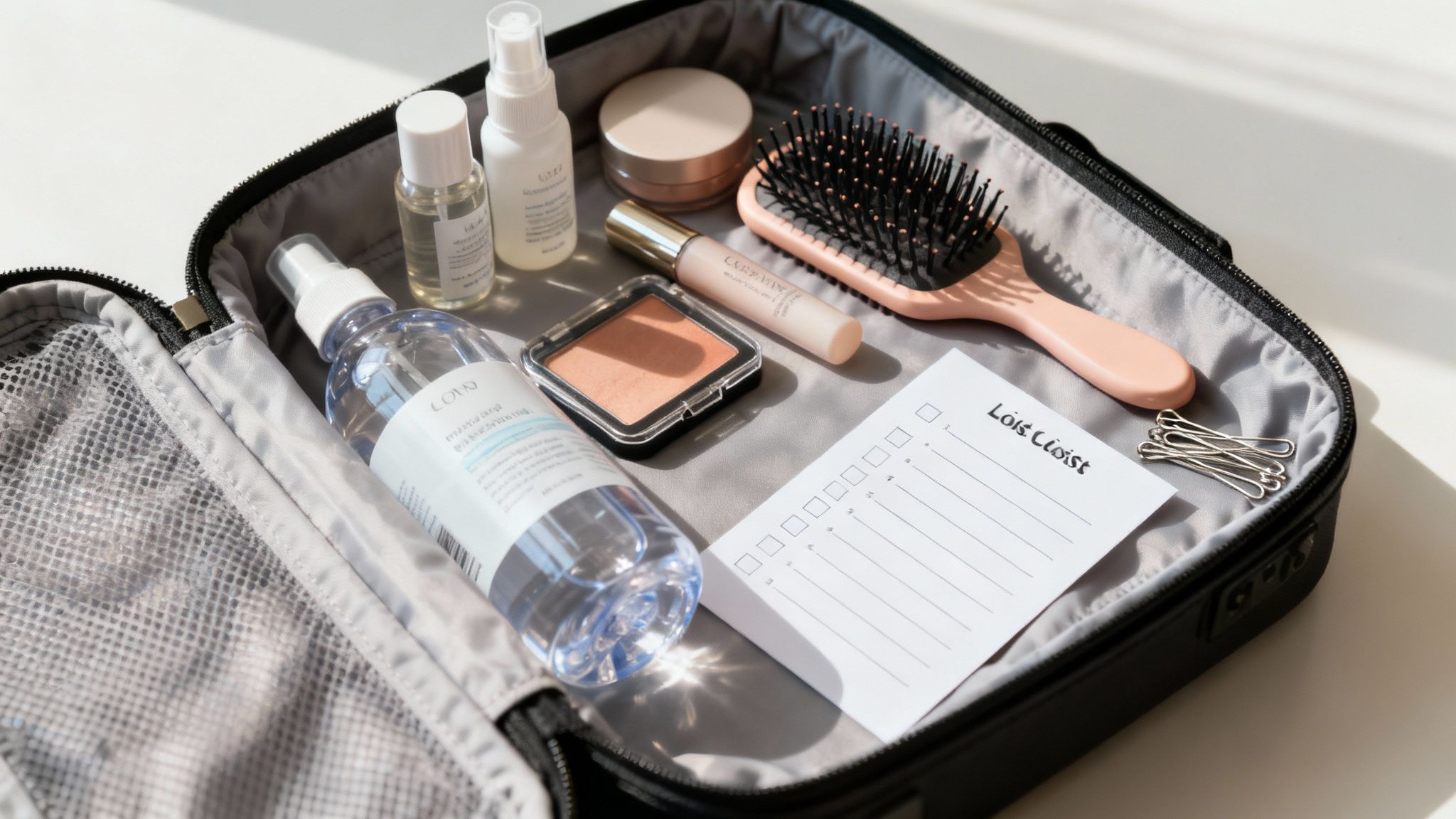
One last thing—pack a small bag with some essentials. Knowing you have these things on hand means you can stop worrying about the little stuff and just enjoy the experience.
Your On-Set Essentials Checklist
- Touch-Up Kit: A little powder for shine, your lipstick or gloss, and a compact mirror.
- Hair Help: A brush or comb, some travel-sized hairspray, and a few extra pins or ties.
- Quick Refreshments: A bottle of water and a simple, non-messy snack like a granola bar can be a lifesaver.
- Wardrobe Savers: Any extra accessories, different shoe options just in case, and a lint roller.
Arriving with these small comforts will help you feel totally prepared, allowing you to relax, have fun, and let your personality shine.
Finding Your Natural Poses and Expressions
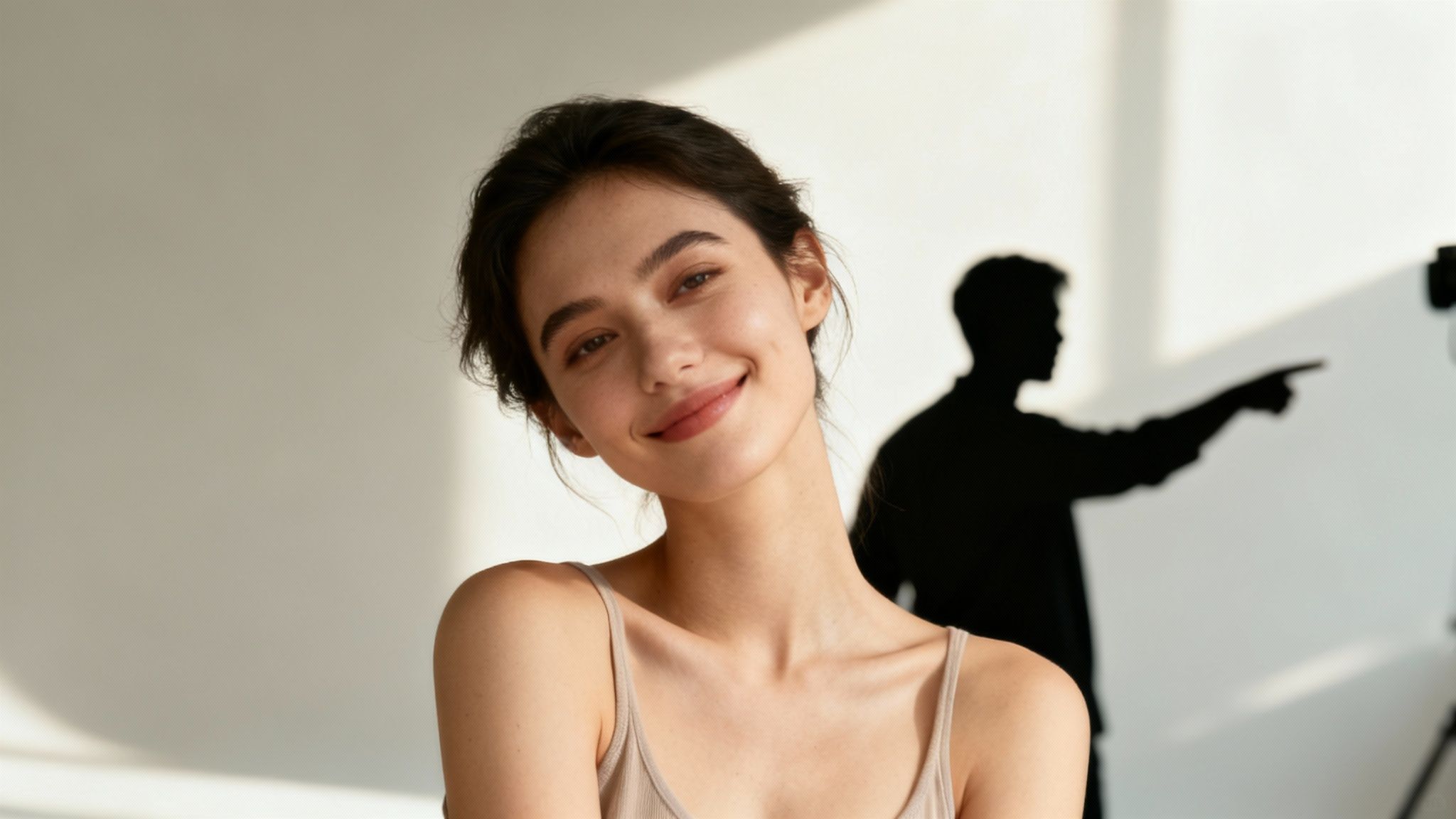
Let's be honest, the moment a camera comes out, "just act natural" is probably the least helpful advice anyone can give. It's the number one thing people tell me they're worried about before a session: "But I don't know how to pose!"
The good news? Great posing isn’t about contorting yourself into strange shapes. It’s about finding small, intentional movements that feel like you and translate beautifully on camera. The secret is to introduce a little bit of motion.
Instead of planting your feet and freezing, try shifting your weight from one leg to the other. Maybe walk slowly toward the camera or gently sway back and forth. This constant, subtle movement is what prevents that stiff, "deer in the headlights" stare and lets your photographer capture those authentic, in-between moments that truly shine.
Creating Shape and Avoiding Stiffness
A few tiny tweaks can make a world of difference in your photos. The goal is to create angles with your body to avoid looking flat or boxy, which can happen when you stand perfectly straight-on to the camera.
Here are a few of my favorite go-to tricks that you can practice right now:
- Pop a Hip: It’s a classic for a reason. Shifting your weight to one hip immediately creates a flattering S-curve in your silhouette.
- Give Your Hands a Job: We all get awkward hands! The easiest fix is to give them something to do. Rest one on your hip, slide them into your pockets (thumbs in or out!), or gently touch your hair or the lapel of your jacket.
- Bend What Bends: If it’s a joint, bend it. A soft bend in your knee or elbow breaks up straight lines and adds a relaxed, graceful feel to the pose. As a rule of thumb, try not to lock your joints.
These little adjustments create triangles and leading lines with your body, which are far more dynamic and interesting for the eye to follow.
Don’t just stand there, interact! Lean against a wall, sit on a set of stairs, or hold onto a railing. Engaging with your environment is one of the easiest ways to find poses that feel—and look—completely natural.
From Poses to Prompts
The best photographers have moved beyond rigid, static posing. Instead, we use prompts to bring out genuine emotions and reactions. It's a game-changer.
Rather than telling you to "tilt your chin down and to the left," I might ask you to, "Close your eyes and think about the best meal you ever had." That subtle, happy smile that appears on your face? That's the shot. For couples, a prompt like, "Whisper your favorite thing about your partner in their ear," will always get you more authentic laughter and connection than a forced pose ever could.
Knowing this helps you become an active part of the creative process. To dig deeper into this, check out our guide on the art of model poses for full-body shots.
The real goal is to capture expressions that are genuinely yours. Spend a little time in front of a mirror and see what feels right. Is it a soft, closed-mouth smile? Or a big, toothy laugh? When you know what feels authentic, you’ll have the confidence to let your true personality come through.
Navigating the Day of the Shoot with Confidence
The day is finally here, and all that planning is about to pay off. The biggest goal now is to just relax, be present, and enjoy the process. Honestly, one of the best things you can do to set yourself up for success is to simply arrive a few minutes early.
That little buffer gives you a moment to breathe, get comfortable in the space, and switch your brain into photoshoot mode before the camera even comes out. It sets a calm, professional tone and lets your photographer know you’re ready to go.
Building Rapport and Trust
That first interaction on set really matters. Greet your photographer warmly and take a minute to connect. This isn't just about being polite; it’s about starting to build that creative partnership that makes for amazing photos.
A quick, confident recap of your main goals helps get everyone on the same page. Something as simple as, "I'm so excited to get those warm, candid shots we talked about!" works wonders. After that, the most important thing is to trust their expertise. They see the light, angles, and compositions in ways you might not. Just let go and let them guide you.
Managing Your Energy and Rolling with the Punches
Photoshoots can be surprisingly tiring. You're constantly moving, holding poses, and changing positions, which takes a lot of energy. Make sure to stay hydrated, and don't ever hesitate to ask for a short break if you feel yourself fading. Keeping your energy up is key.
Key Insight: The best photos often come from the unexpected. A sudden cloud might create the most beautiful soft light, or a gust of wind could add incredible, dynamic movement to your hair or outfit. Stay flexible and see these moments as creative opportunities, not setbacks.
It's also interesting to know what's happening in the wider photography world. The global photography market is projected to hit $81.83 billion by 2032, with a huge demand for wedding and commercial work, especially in the Asia-Pacific region. This growth pushes photographers to constantly evolve their skills and gear. If you're curious, you can dig into more of these photography industry statistics to see the trends.
At the end of the day, your photographer has it handled. They’ve planned for variables and have the right equipment for just about any situation. A pro comes prepared, which is why having a detailed wedding photography gear checklist is standard practice. Your only job is to relax, be yourself, and have a good time.
Answering Those Last-Minute Photoshoot Questions
Even with a perfect plan in place, a few questions always seem to surface right before the big day. That’s completely normal. Let’s tackle those lingering "what ifs" so you can walk into your session feeling completely confident and excited.
We've heard them all over the years, so we’ve rounded up the most common questions to put your mind at ease.
What Happens If the Weather Turns Bad?
This is, without a doubt, the number one worry for any outdoor shoot. First things first: don't stress. Your photographer lives and breathes by the weather forecast and will absolutely have a plan B, and probably a plan C, too. We’re constantly checking the radar in the days leading up to your session.
If it looks like a total washout is unavoidable, we'll reach out 24-48 hours beforehand to make a final decision together. Most of the time, we can simply find the next available date that works for everyone. But sometimes, an overcast sky can be a blessing in disguise, creating this incredibly soft, flattering light that’s a dream to shoot in. So, unless it's a downpour, we might just go for it. You have to trust your photographer's expertise here; they know how to work magic in almost any lighting.
Should I Really Hire a Pro for Hair and Makeup?
While it’s definitely not mandatory, having your hair and makeup done professionally can make a world of difference. These artists are skilled in creating looks specifically for the camera, which often involves different techniques and products than you'd use for a regular day. Plus, it takes a huge amount of pressure off you on the day of the shoot.
If you’d rather do it yourself, that’s great too! Here are a few tips from what I’ve seen work best:
- Be you, but elevated. The goal is to look like a polished, photo-ready version of yourself, not someone else entirely.
- Don't be afraid to go a little bolder. The camera and lighting have a tendency to soften makeup, so applying it just a touch heavier than usual often translates perfectly in the final images.
- It all starts with the skin. Make sure your skin is well-hydrated. A good moisturizer creates a smooth canvas and helps your makeup look fresh for the entire session.
How Many Outfits Is Too Many?
For a typical one-hour session, bringing two to three outfits is the magic number. This gives us enough variety to create a diverse gallery of images without you feeling like you're in a mad rush, constantly changing clothes.
Try to think in terms of different "vibes." For example, you could bring one outfit that's casual and comfortable—your go-to look. Then, bring another that's a bit more dressed-up or formal. This simple strategy gives you a fantastic range of photos you can use for anything from a new LinkedIn profile picture to a casual Instagram post.
A Quick Pro Tip: Have your outfits steamed, ironed, and hanging up the night before. This tiny bit of prep saves so much time and hassle on location and ensures you look sharp without any distracting wrinkles.
What If I'm Super Awkward in Front of the Camera?
Join the club! Seriously, almost everyone feels a little strange or self-conscious having their photo taken—even photographers. But here’s the secret: it’s not your job to be a model. It’s your photographer’s job to make you feel comfortable and guide you every step of the way.
We won't just plop you down and say "look natural." We use fun prompts and gentle direction to help you interact and forget the camera is even there. We'll give you something to do with your hands, we'll tell bad jokes, we'll get you moving. The entire goal is to create a relaxed atmosphere where your true personality can shine. Just take a deep breath, trust the person behind the camera, and focus on having a good time.
At Candid Studios, our whole philosophy is built around making your photoshoot experience feel natural and fun, from the first email to the final photo delivery. We worry about the details so you don't have to.
Ready to tell your story? Book your personalized consultation with Candid Studios today!