
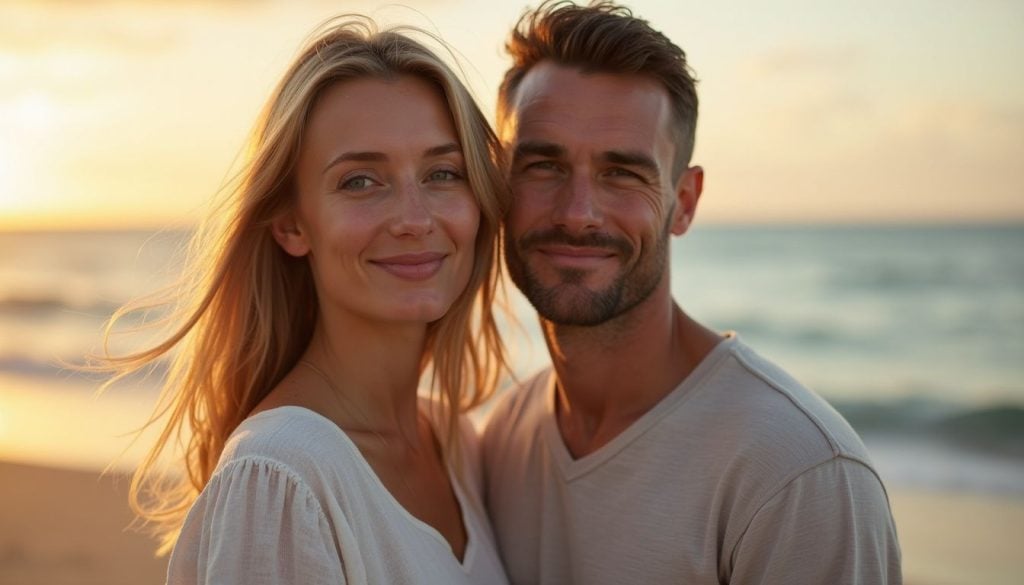
Discover The Best Time of Day to Take Outdoor Photos
The Best Time of Day To Take Golden Hour Engagement Photos Outside

Are you having trouble choosing the best time to take outdoor engagement photos? Many couples ask this question.
In this post, we share clear tips on timing and natural light. Read on to learn how to capture radiant portraits using proven techniques.
Key Takeaways
- Outdoor engagement photos look best during the “golden hour,” the soft, warm light an hour before sunset; in Oregon, it’s around 8 PM in summer and about 4:30 PM on December 1st.
- Morning sessions provide gentle sunlight without harsh shadows; begin at about 9 AM in peak summer or around 9:30 AM in fall for comfortable weather and fewer crowds.
- Seasonal timing matters: spring and fall afternoons are ideal two hours before sunset (for example, October evenings around 6 PM), creating romantic warmth with soft shadows.
- Summer days offer evening golden-hour shoots starting near 7–8 PM (like July or August); winter shoots should start earlier—nearer to a 4 PM golden hour—to catch brief daylight with flattering blue twilight tones.
- Harsh midday sun between late morning and afternoon creates unflattering shadows year-round, making mornings or early evenings better choices for outdoor photo sessions.
What is the Golden Hour?

The golden hour gives soft, warm light that adds a dreamlike touch to your photos. It remains every photographer’s favorite time of day to shoot.
In Oregon, summer sessions start around 8 PM while winter days require an earlier start at about 4:30 PM.
This light casts a gentle glow perfect for beaches or waterfront settings. Its low-angle beams help our team at Candid Studios Photography & Videography create images free of harsh shadows, making your pictures look soft and romantic.
Even on cloudy days in the Pacific Northwest, our crew uses natural light to capture pleasing results. Direct testing and reviews with reliable photography guides show that the time of day to photograph during the golden hour yields flattering images.
Golden hour makes everything look soft and gorgeous; it’s nature’s own filter.
Using natural light well starts with knowing how sunlight changes over the day. This photography blog explains the best time of day for capturing that warm glow during sunrise or sunset.
The Science Behind Golden Hour Lighting
Golden hour happens as the sun dips low, usually at or below a 10° angle from the horizon. At this angle, the light scatters blue hues and boosts reds and oranges, giving each shot a warm glow. The soft light cuts harsh shadows and brings a calm mood to your portraits.
This time window lasts about 60 to 90 minutes near dawn or dusk. In that brief span, the light wraps your scene in a friendly, mellow tone. Pros use these minutes to capture moments that feel both natural and inviting.
Best Times of Day for Engagement Photos
We know timing is essential, especially for an outdoor photo shoot, where light can shape your image. Our tips help you choose between the morning’s clear charm and the golden hour’s inviting warmth. Practical on-location sessions back our advice.
What are the benefits of morning photo sessions?
Morning sessions offer bright, soft light suited for outdoor photography. The sun rises at around 6:30 AM in summer, gifting you flattering light without the harsh shadows seen at midday.
Cooler weather and a calm outdoor setting mark early photoshoots. Family photos benefit as children often enjoy calm mornings after a good night’s sleep. Overcast skies in the early hours soften sunlight, giving you fresh, clear images.
At Candid Studios Photography & Videography, our experience shows that scheduling morning shoots at about 9 AM during peak summer helps avoid crowds and heat later in the day.
Why choose evening sessions for engagement photos?
Evening sessions hold their own charm. The golden hour—the hour before sunset—offers warm, flattering tones ideal for outdoor shoots.
In summer months like June or July, we begin around 7 PM. During spring or fall, in months such as April or October, sessions are set at about 5 PM. When Daylight Savings Time ends in November, shooting starts by 4:30 PM.
These later sessions steer clear of the harsh midday sun. Instead, they create a warm glow that fills each portrait with romance. Our team uses this natural light to craft images that feel soft and inviting.
Seasonal Considerations for Outdoor Photos
Every season lends a special look to your photos. Spring brings fresh blooms while autumn offers cozy tones. Our experts at Candid Studios Photography & Videography have honed these methods over decades.
When is the best time in spring and fall for photos?
Spring and fall deliver soft natural light that makes outdoor photos dreamy and romantic. Drawing from years of professional work, we have found these seasons ideal for engagement sessions.
- Morning sessions in spring bring beautiful results in open, shaded areas. In shorter days, sunrise happens at about 7 AM. Starting at 9 AM gives a gentle yet bright light.
- For fall mornings, sessions begin around 9:30 AM. A few extra minutes help warm the air to preserve the best morning glow.
- Afternoon shoots in spring or fall work best about two hours before sunset. At this time, the golden hour light stays warm and shadows remain soft.
- On October 1st, evenings offer ideal golden hour light arriving around 6 PM. This timing allows couples ample time to prepare without the rush of bright noon light.
- By November 1st, beginning around 5:30 PM captures optimal daylight and sunset glow while avoiding harsh brightness.
- A session during the golden hour brings warmth and closeness. Whether shooting in fields or parks, choosing the right time adds a touch of magic to each photo.
How do summer and winter timing affect outdoor photos?
- In an Oregon summer, days stretch long with late sunsets. On June 21, the longest day of the year, sunrise comes at 6:12 AM and sunset at 9:07 PM. This extended light offers many options yet requires careful timing.
- Shooting outdoors on summer evenings around 7 PM uses golden hour light that feels warm and charming. In July or August, the process works best near 8 PM. Evening light gives couples soft, glowing images.
- For those who prefer quieter mornings, 8 AM sessions in summer provide a peaceful start with clear light before bright sun appears.
- During an Oregon winter, shorter daylight hours shift the ideal session time earlier. By December 1st, the golden hour takes place near 4 PM, and sunset follows at about 4:30 PM.
- The brief winter light offers a distinct, soft blue glow during twilight. This cool tone pairs well with warm scarves or cozy sweaters for a stylish look.
- Midday sun casts strong shadows on faces. The noon light is less flattering for portraits all year, especially on bright winter days.
- Rainy days can create moody scenes that suit couples seeking dramatic landscape photos. Cloudy skies set a fresh, interesting backdrop even when the weather feels chillier.
Extra tips and tricks: Adjust your camera’s settings during the golden hour to capture soft light. Use a lower ISO and a wide aperture at sunrise or sunset. Try a diffuser or a hand-held reflector when the light becomes strong.
Experiment with white balance and exposure settings based on the time of day.
Building Connection in Your Photo Session
Engagement sessions help couples get used to being in front of the lens. They calm nerves so you move with ease. Rehearsing natural poses makes your wedding day feel less stiff and more fun. This practice lets your real personality shine through, one click at a time.
These sessions give you a chance to try on different looks and pick spots you like. You might test out creative lighting in a night shoot for a dramatic twist. Working together in this relaxed setting helps both the photographer and the couple learn each other’s style.
Conclusion
Timing makes a strong impact on the photos you cherish. Using morning’s soft glow or evening’s golden hour can lift your images from ordinary to breathtaking. Couples in Portland who plan beach, waterfront, or garden sessions often achieve stunning results when they schedule near sunset.
FAQs
1. What’s the best time of day for your outdoor engagement photos?
The golden hour is the best time of day to photograph outdoors. It gives soft, warm light that flatters your images.
2. Why should I avoid taking pictures in the middle of the day?
Midday light shines from directly above. This strong light makes faces appear harsh. Using simple light modifiers or seeking shade can help, but early morning or later afternoon light is preferred.
3. How do I determine where the sun rises and sets at different times?
Smartphone apps show you the times and positions of sunrise and sunset. This helps you pick the best day to photograph outdoors with pleasing light.
4. Is sunrise really worth waking up early for engagement pictures?
Sunrise offers peaceful surroundings and fewer distractions. Its gentle light lends a special charm to your photos.
5. Can cloudy weather affect what’s the best time to take my engagement shots outside?
Cloudy skies often soften the sunlight, which works well for creative photos. Watch for heavy cloud cover that may signal a rain shower.
Disclosure: The recommendations in this photography blog are based on the expertise of Candid Studios Photography & Videography, a multiple award-winning wedding photography and videography company located throughout the United States.
Our team of talented professionals brings years of experience to every session. This content is for informational purposes and reflects our real-life practice in capturing unforgettable moments.