7 Popular Wedding Photography Editing Styles for 2025
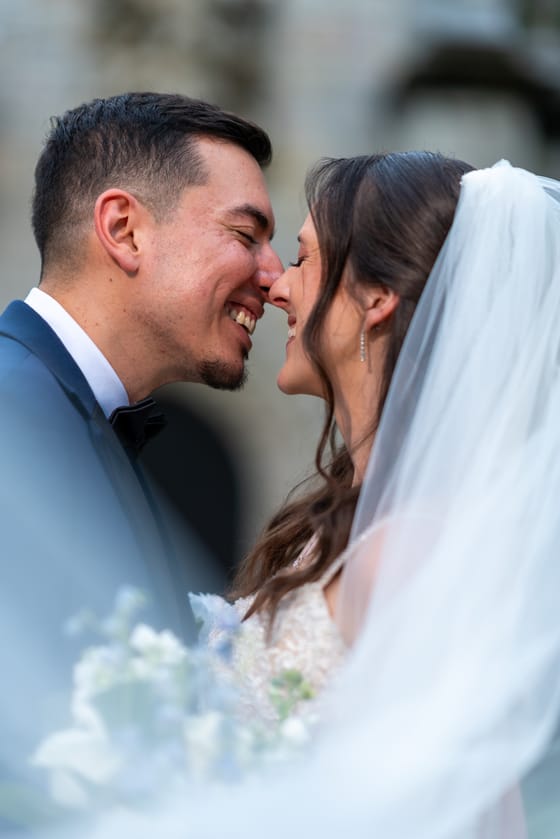
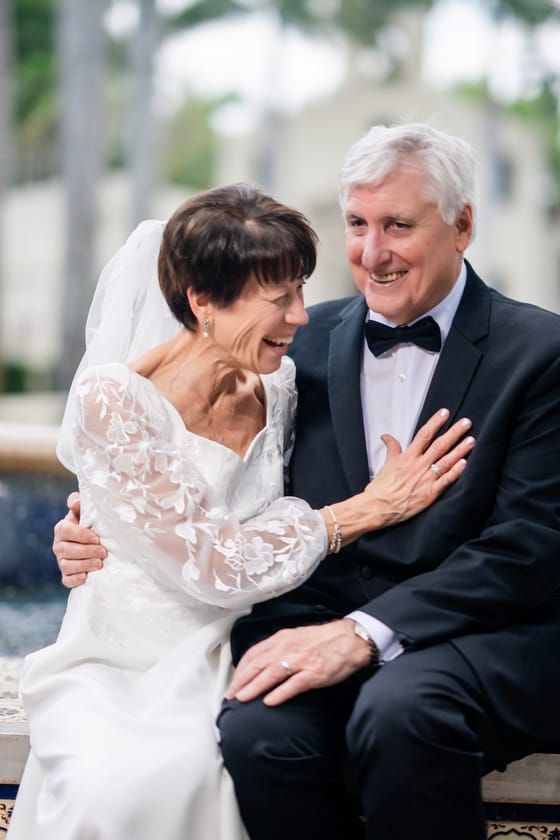
Wedding photography editing styles range from true-to-color and light-and-airy to moody film-inspired looks. Choose a style that ages well and matches how you want memories to feel.
Your wedding photos are more than just pictures; they are the visual story of your most cherished day, preserved for generations. The way these images are processed plays a crucial role in defining their mood, atmosphere, and timelessness. Choosing from the various wedding photography editing styles can feel overwhelming, but it's the key to ensuring your final gallery perfectly reflects your personality and the unique essence of your celebration.
This guide will demystify the process, walking you through seven distinct and popular styles so you can confidently communicate your vision to your photographer. The editing style you select is the artistic lens through which your memories are viewed, influencing everything from skin tones and color palettes to the overall emotional impact of each shot. Understanding the difference between a warm, nostalgic film look and a crisp, true-to-color edit is fundamental to aligning your expectations with the final product.
We'll explore everything from the romantic glow of film-inspired looks to the dramatic flair of dark and moody edits, providing the insights you need to make an informed decision for your forever photos. We will cover:
- Film Photography Inspired
- Bright and Airy
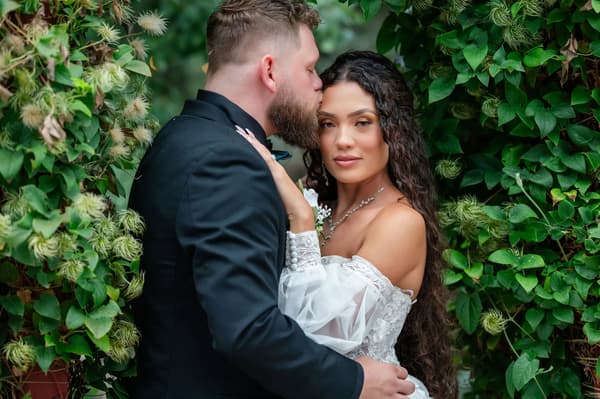
- Dark and Moody
- Natural/True-to-Color
- Vintage/Retro
- Black and White/Monochrome
- Cross-Processed/Creative Color
While professional photographers use specialized software to achieve these looks, exploring different styles yourself can be a great way to discover your preferences. For those looking for budget-friendly options, you might find valuable insights into alternatives to Photoshop for photo editing. By the end of this article, you will have a clear understanding of each style's characteristics, helping you choose the perfect aesthetic for your wedding day.
1. Film Photography Inspired
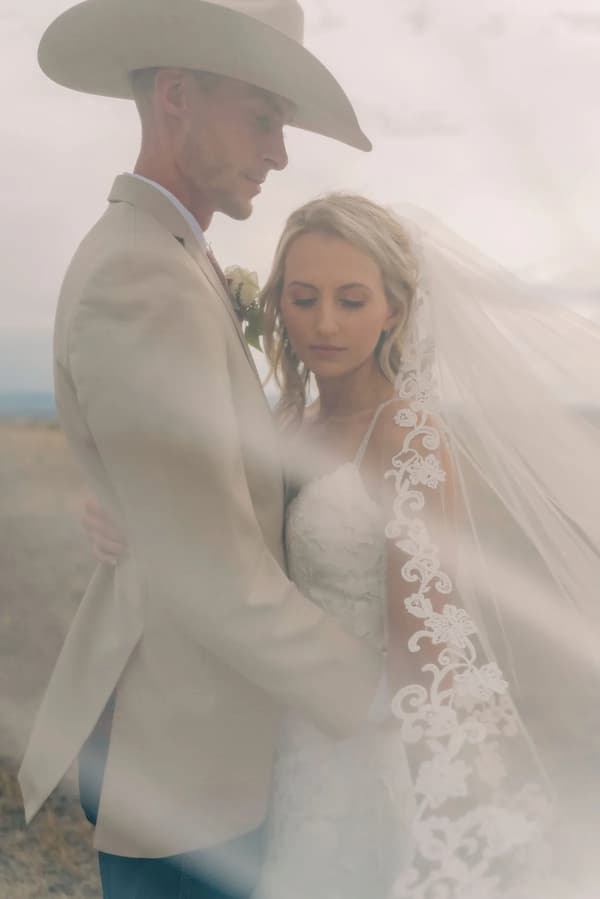
The Film Photography Inspired style is one of the most enduring and romantic wedding photography editing styles available today. It aims to replicate the distinct look and feel of images shot on traditional analog film, creating a sense of nostalgia and timeless elegance. Rather than sharp, ultra-vibrant digital clarity, this style embraces the subtle imperfections and unique color science of classic film stocks like Kodak Portra, Fuji 400H, and Ilford HP5.
This aesthetic is characterized by its soft, luminous quality. Colors are often gently muted, with an emphasis on creating beautiful, creamy skin tones. Shadows are typically lifted, or made slightly brighter, to give the images an airy, faded feel without losing important detail. The result is a collection of photos that feels less like a sterile digital record and more like a collection of cherished, tangible memories. Photographers like Jose Villa and Ryan Ray popularized this look, turning it into a hallmark of high-end, fine-art wedding photography.
Key Characteristics and Techniques
To achieve this timeless look, photographers and editors focus on several key adjustments:
- Color Grading: A warm color temperature is essential. Editors often use split-toning to introduce warm, golden, or even subtle magenta tones into the highlights and mid-tones, mimicking the way film reacts to light.
- Tone Curve Adjustments: The tone curve is manipulated to lift the black point, creating those signature faded blacks. This prevents deep, harsh shadows and contributes to the overall soft and dreamy quality of the image.
- Grain Application: A fine, subtle layer of grain is added in post-processing. This is a crucial step that breaks up the perfectly smooth digital image, emulating the natural grain structure found in celluloid film and adding a rich texture.
The following graphic summarizes the core visual elements that define the film-inspired aesthetic.
As the visualization highlights, the combination of texture, warmth, and gentle contrast creates a cohesive and instantly recognizable style.
When to Choose This Style
The Film Photography Inspired approach is perfect for couples who want their wedding photos to feel classic, romantic, and everlasting. It pairs exceptionally well with outdoor venues bathed in natural light, such as vineyards, gardens, and rustic estates. The soft, forgiving nature of this edit beautifully complements the candid, in-the-moment captures often seen in a documentary approach. To see how this style enhances candid moments, you can explore photojournalistic wedding photography and its overlap with film aesthetics.
Pro Tip: When discussing this style with your photographer, mention specific film stocks you admire (e.g., "I love the warm, golden look of Kodak Portra 400"). This gives them a precise creative target to aim for in post-production.
2. Bright and Airy
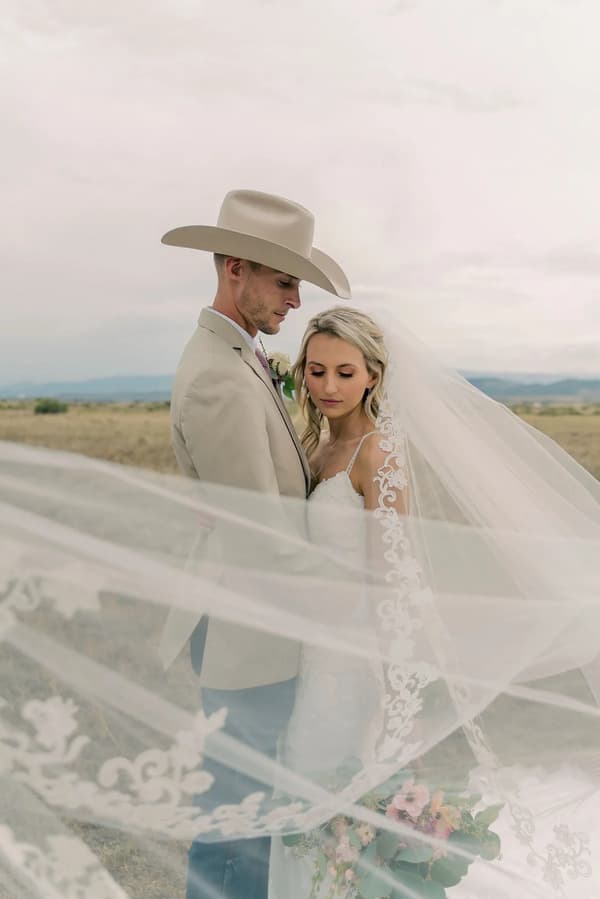
The Bright and Airy style is a dominant force in modern wedding photography, celebrated for its clean, ethereal, and optimistic feel. This aesthetic aims to create images that are luminous and full of light, evoking a sense of dreamy romance and pure joy. It intentionally leans into overexposure, lifting shadows and pushing highlights to produce a soft, radiant quality that feels both fresh and sophisticated. The look is often associated with the picture-perfect imagery found on Pinterest and high-end bridal magazines.
This style is defined by its pristine whites, soft pastel color palettes, and an overall sense of cleanliness. Unlike moodier edits, it avoids deep, heavy shadows and instead bathes the entire scene in soft, even light. The goal is to make every photo look as if it were taken on a perfect, sun-drenched day, creating a collection that feels uplifting and timelessly beautiful. Photographers like India Earl and Sawyer Baird have become synonymous with this style, popularizing it across social media and setting a new standard for contemporary wedding portraiture.
Key Characteristics and Techniques
Achieving the Bright and Airy look requires a delicate balance between brightness and detail retention, both in-camera and during post-production.
- Exposure and Highlights: Photographers often "shoot to the right," meaning they intentionally overexpose the image slightly in-camera without clipping the highlights. In editing, the exposure is further increased, highlights are often softened, and whites are pushed to their brightest point to create that signature glow.
- Shadow and Contrast Adjustments: Shadows are significantly lifted to eliminate dark areas and reveal detail, contributing to the "airy" feel. While the overall contrast is low, editors must maintain just enough to prevent the image from looking flat or washed out, ensuring subjects still pop from the background.
- Color Palette: The white balance is crucial and is typically set to be neutral or slightly cool to ensure whites are crisp and clean. Colors are often shifted towards pastel tones; greens may be desaturated and moved towards a mint or sage hue, while skin tones are kept light, soft, and peachy.
When to Choose This Style
The Bright and Airy style is an ideal choice for couples who envision their wedding photos as romantic, elegant, and full of light. It excels in well-lit environments, especially outdoors in open fields, on beaches, or in venues with large windows and white walls that reflect natural light. This aesthetic beautifully complements classic, romantic, or minimalist wedding themes where the focus is on emotion and connection. It is particularly effective for capturing the golden hour glow, as seen in this gallery of romantic sunset engagement photos.
Pro Tip: If you love this style, communicate your preference for light-filled images to your photographer. Choosing a venue with ample natural light or planning your portrait session during the best light of the day will give your photographer the raw material needed to create stunning Bright and Airy edits.
3. Dark and Moody
The Dark and Moody style is a dramatic and evocative approach to wedding photography editing that prioritizes emotional depth and artistic impact. Diverging sharply from the bright and airy aesthetic, this style embraces deep shadows, rich contrast, and desaturated colors to create a cinematic and intensely atmospheric feel. It draws heavy inspiration from fine art, editorial fashion, and classic portraiture, transforming wedding photos into compelling, story-driven works of art.
This aesthetic is defined by its masterful use of light and shadow. Rather than flooding the scene with light, photographers using this style are highly selective, using light to sculpt their subjects and draw the viewer's eye to specific details. Backgrounds are often underexposed, which makes the couple stand out powerfully. Photographers like Fer Juaristi and Jeff Newsom have been instrumental in popularizing this bold style, showing that wedding photography can be both deeply emotional and artistically profound.
Key Characteristics and Techniques
Achieving the Dark and Moody look requires a precise and intentional editing process that goes beyond simply lowering the exposure. Editors focus on shaping the light and color to build a specific mood.
- Deep Shadows and High Contrast: The foundation of this style is a tone curve with crushed blacks and strong mid-tone contrast. This creates deep, rich shadows that add a sense of drama and mystery, making the illuminated parts of the image pop.
- Desaturated and Muted Colors: Colors are often toned down, with a focus on earthy greens, deep blues, and rich browns. Vibrancy is selectively reduced to prevent colors from feeling overwhelming and to maintain the somber, intimate mood.
- Selective Light Sculpting: Editors use tools like radial and graduated filters to meticulously control where light falls. This technique, known as dodging and burning, carves the subjects out from their background and enhances the three-dimensional feel of the photo.
The following video demonstrates how these editing techniques come together to create the signature Dark and Moody aesthetic.
As the tutorial shows, the key is balancing the darkness with enough light to tell a clear and compelling story.
When to Choose This Style
The Dark and Moody style is ideal for couples who view their wedding photos as art and want a collection that feels intimate, passionate, and unconventional. It is particularly effective in venues with dramatic architecture, moody natural landscapes like forests or mountains, or during evening and indoor ceremonies where the photographer has full control over lighting. This is one of the more commanding wedding photography editing styles, making a bold statement.
Pro Tip: Ask potential photographers to see a full wedding gallery in this style. It's important to ensure they can maintain detail in dark clothing (like tuxedos) and handle tricky lighting situations consistently, not just in a few portfolio shots.
4. Natural/True-to-Color
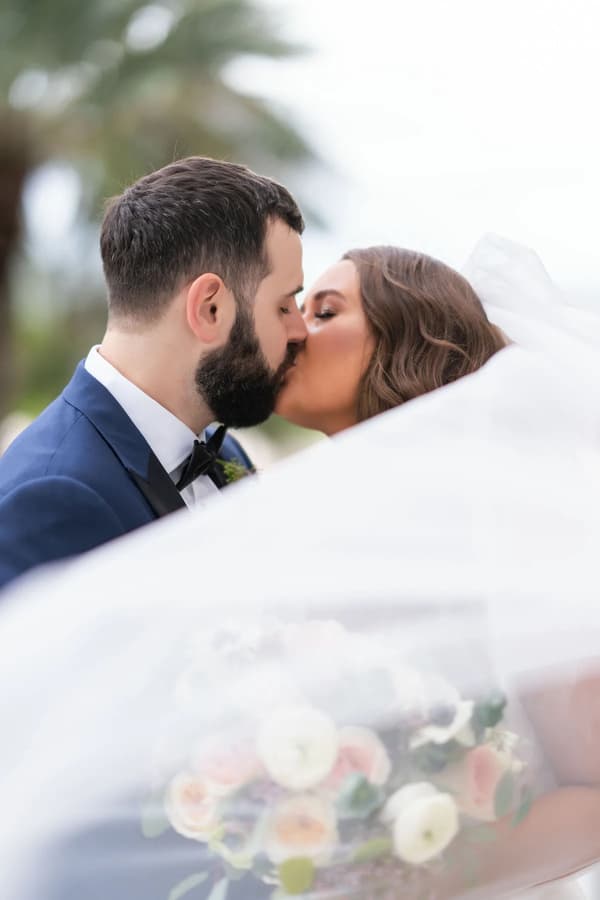
The Natural or True-to-Color editing style is a timeless approach that prioritizes authenticity and accuracy. Unlike more stylized edits, its primary goal is to faithfully represent the wedding day as it actually happened, with clean, vibrant, and realistic colors and lighting. This style avoids heavy-handed trends, focusing instead on producing images that are polished and professional without distracting from the genuine moments and emotions captured.
This aesthetic is defined by its clarity and precision. The final images look crisp, well-lit, and life-like, ensuring that the colors of the flowers, dresses, and decor are accurately preserved. The focus is less on creating a specific mood through post-processing and more on perfecting the foundational elements of photography: exposure, white balance, and composition. Popularized by traditional wedding photojournalists and classic portrait studios, this style offers a clean and enduring documentation of the day, resulting in a gallery that will never feel dated.
Key Characteristics and Techniques
To achieve this clean and authentic look, photographers concentrate on technical excellence both in-camera and in post-production:
- Accurate White Balance: This is the cornerstone of the true-to-color style. Editors meticulously correct the white balance to ensure whites are pure white and skin tones are rendered naturally, without any unwanted color casts.
- Precise Exposure Adjustments: The goal is a perfectly balanced exposure with a full range of tones. Edits involve correcting highlights to retain detail in bright areas like a wedding dress and lifting shadows just enough to see information without creating a faded look.
- Clean Color Correction: Instead of applying creative color grading, the focus is on enhancing the natural vibrancy and saturation of the scene. Edits ensure that greens are green, blues are blue, and skin tones are accurate to life.
When to Choose This Style
The Natural/True-to-Color approach is ideal for couples who want their wedding photos to be a beautiful and honest reflection of their day. It is a versatile style that works well in any lighting condition or venue, from bright, sunlit outdoor ceremonies to intimate, candlelit receptions. This edit is particularly suited for couples who value genuine moments over stylized artistry and want their photos to remain classic for decades. The emphasis on authenticity aligns perfectly with candid photography, as it lets the moment speak for itself. You can discover powerful tips for capturing genuine moments that are enhanced by this true-to-color approach.
Pro Tip: When discussing this style, use keywords like "clean," "timeless," "true-to-life," and "accurate colors." Ask to see a photographer's full wedding galleries to ensure their editing is consistent and truly reflects this natural aesthetic from start to finish.
5. Vintage/Retro
The Vintage/Retro style is a highly specialized approach to wedding photography editing that channels the distinct visual character of specific past eras. Unlike the general timelessness of a film-inspired look, this style aims to authentically replicate the aesthetics of a particular decade, from the vibrant, saturated look of 1970s Kodachrome to the soft, washed-out feel of a 1980s Polaroid. It's a creative choice that infuses a wedding gallery with a strong sense of personality and thematic consistency.
This aesthetic is all about celebrating the unique color science, contrast profiles, and even the charming imperfections of older photographic technologies. It goes beyond a simple filter, requiring a deep understanding of how images were captured and processed in periods like the 1960s or 1970s. The goal is not just to make a photo look old, but to transport the viewer to that specific time, creating a powerful narrative that complements a retro-themed wedding or a couple's unique personal style.
Key Characteristics and Techniques
Achieving an authentic vintage look requires a targeted and nuanced approach to post-processing. Editors focus on recreating period-specific details:
- Era-Specific Color Grading: This is the most critical element. For a 1970s look, editors might push reds and yellows to mimic Kodachrome slide film. For a 1980s aesthetic, they might introduce a subtle cyan or magenta cast into the shadows and highlights, similar to consumer-grade film stocks of that time.
- Contrast and Tone Manipulation: Many vintage photos have unique contrast curves. For instance, a 1960s fashion-inspired look might involve crushed, deep blacks and bright, blown-out highlights, while a Polaroid emulation would feature milky, lifted blacks and low overall contrast.
- Authentic Texturing: Instead of a uniform digital grain, this style may incorporate simulated light leaks, dust, scratches, or the soft vignetting and color shifts characteristic of old lenses. These effects are applied subtly to enhance believability without overpowering the image.
When to Choose This Style
The Vintage/Retro style is the perfect match for couples who are curating a wedding with a strong, cohesive theme inspired by a specific decade. It is ideal for alternative weddings where personal expression and creativity are paramount. This editing approach elevates the entire event, ensuring the final photos are a true reflection of the day's unique atmosphere, from the fashion choices to the decor. To find more inspiration for this unique look, you can explore ideas for a vintage wedding photography style and see how it can be tailored to your theme.
Pro Tip: Your commitment to the theme is key. For the most authentic result, incorporate vintage props, fashion, and styling into your wedding day. This gives your photographer genuine elements to work with, making the retro post-processing feel like a natural extension of the scene rather than an afterthought.
6. Black and White/Monochrome
The Black and White, or Monochrome, style is arguably the most timeless and emotionally resonant of all wedding photography editing styles. By stripping away the distraction of color, this approach forces the viewer to focus on the fundamental elements of the image: emotion, light, shadow, texture, and composition. It’s a classic choice that transcends trends, evoking the feel of historic photojournalism and fine-art portraiture.
This aesthetic is defined by its powerful simplicity and dramatic impact. Instead of relying on a color palette to set the mood, a monochrome image uses the full spectrum of tones from pure white to deep black. This tonal range can create a sense of raw intimacy in a quiet moment or heighten the drama and energy of a celebration. The result is a collection of images that feel profound, artistic, and deeply personal, focusing purely on the story and the people within it. Photographers like Henri Cartier-Bresson pioneered this candid, storytelling approach, which continues to influence wedding photographers today.
Key Characteristics and Techniques
Creating a compelling monochrome image is more complex than simply desaturating a color photo. Editors must carefully manipulate the image to bring out its core strengths:
- Tonal Contrast: This is the most crucial element. Editors use the tone curve and individual color channel mixers (in the black and white conversion panel) to control the brightness of different parts of the image. Deepening blacks and brightening whites creates a high-contrast, impactful look, while a softer range of mid-grays can produce a more gentle, classic feel.
- Texture and Detail: Without color, textures become much more prominent. Editors often enhance clarity and sharpness to emphasize details like the lace on a wedding dress, the grain of a wooden table, or the expression lines on a smiling face.
- Composition and Form: The strong lines, shapes, and patterns within a photo are highlighted. Editors will often crop or adjust the image to strengthen its geometric composition, guiding the viewer's eye directly to the most important subjects.
When to Choose This Style
The Black and White style is perfect for couples who value timelessness and want to emphasize the raw emotion of their wedding day. It is incredibly versatile and works well for nearly any part of the wedding, from intimate getting-ready shots to dramatic portraits and dynamic dance floor moments. This style is particularly effective for telling a powerful story, making it an excellent match for a photojournalistic approach.
It is an ideal choice for images where the lighting is dramatic or the emotional content is the primary focus. If you want a selection of your wedding photos to feel like they could hang in a gallery, the monochrome edit is a sophisticated and powerful option.
Pro Tip: Not every photo works well in black and white. Ask your photographer to use their artistic judgment to select the specific images that will be most impactful in monochrome. This selective approach often yields a more powerful final gallery than a full black-and-white conversion.
7. Cross-Processed/Creative Color
The Cross-Processed/Creative Color style is a bold, artistic approach that breaks from tradition to create uniquely striking images. It draws inspiration from the analog film technique of "cross-processing," where film was deliberately developed in the wrong chemical solution, resulting in dramatic and unpredictable color shifts. In the digital realm, this style emulates that effect to produce surreal, high-impact visuals often seen in fashion editorials and alternative art.
This aesthetic is defined by its unconventional color palettes and heightened contrast. Blues might shift to green, yellows can take on a magenta cast, and shadows often adopt a cool, deep tone while highlights skew warm. The goal is not realism but artistic expression, turning a wedding photo into a piece of contemporary art. Photographers in creative communities and alternative wedding collectives have embraced this look to offer couples a vibrant, non-traditional, and memorable visual story.
Key Characteristics and Techniques
To achieve this distinctive and edgy look, editors manipulate color and contrast with precision:
- Color Channel Manipulation: The core of this style involves using tools like the Channel Mixer or Color Calibration panels. Editors intentionally alter the red, green, and blue color channels to create significant, stylized color shifts that are impossible to achieve with simple temperature or tint adjustments.
- Split-Toning and Color Grading: Advanced split-toning is crucial. This involves introducing contrasting colors into the highlights and shadows, such as casting shadows with a deep blue or teal while pushing a warm orange or magenta into the highlights to create a dynamic and cinematic color grade.
- Contrast and Clarity Boost: Unlike softer styles, cross-processing often involves increasing contrast and clarity. This makes the colors pop even more and gives the images a sharp, punchy, and modern feel that demands attention.
When to Choose This Style
The Cross-Processed/Creative Color style is perfect for bold, fashion-forward couples who want their wedding photos to be vibrant, artistic, and completely unique. It thrives in urban environments, modern architectural settings, and unconventional venues where strong lines and dynamic lighting can be emphasized. This editing approach is less about documenting a moment with perfect realism and more about capturing its energy and emotion through an artistic lens. It is an excellent choice for couples whose wedding has a modern, edgy, or alternative theme.
Pro Tip: Because this style is so distinctive, it's vital to ensure it aligns with your overall wedding aesthetic. Discuss your vision clearly with your photographer and ask to see full wedding galleries in this style to understand how it translates across different lighting conditions, from the ceremony to the reception.
7-Style Wedding Photography Editing Comparison
Style
Implementation Complexity 🔄
Resource Requirements ⚡
Expected Outcomes 📊
Ideal Use Cases 💡
Key Advantages ⭐
Film Photography Inspired
Medium: requires balanced grain & tone control
Moderate: grain addition, subtle color curves
Warm, nostalgic, timeless images with soft grain and muted tones
Romantic outdoor weddings, vintage venues, timeless aesthetic
Timeless look, forgiving on skin, nostalgic emotional impact
Bright and Airy
Low to Medium: exposure and contrast adjustments
Low: mainly exposure and white balance control
Dreamy, ethereal images with high-key, luminous quality
Outdoor ceremonies, modern venues, social media focused couples
Joyful mood, flattering skin tones, matches modern trends
Dark and Moody
High: skilled lighting and contrast control
High: selective lighting setups & post-processing
Dramatic, artistic photos with deep shadows and rich contrast
Evening receptions, dramatic venues, artistic/editorial style
Strong storytelling, conceals distractions, artistic depth
Natural/True-to-Color
Low: emphasis on accurate color and exposure
Low: requires in-camera precision
Realistic, clean images with faithful color reproduction
Traditional ceremonies, formal venues, documentary approach
Timeless, universally appealing, professional authenticity
Vintage/Retro
Medium to High: requires historical color grading
Moderate: controlled period-specific effects
Authentic period look with faded tones and vintage palettes
Vintage-themed weddings, retro venues, period-specific couples
Distinctive style, strong storytelling, hides imperfections
Black and White/Monochrome
Medium: focus on contrast & composition
Low: removal of color info plus tonal adjustments
Timeless, emotional images emphasizing texture and tonal range
Formal ceremonies, artistic couples, emotional moments
Timeless appeal, highlights emotion & composition
Cross-Processed/Creative Color
High: complex color channel manipulation
Moderate to High: advanced color grading techniques
Surreal, highly artistic images with unusual color shifts
Creative couples, fashion-forward weddings, artistic portfolios
Unique artistic impact, strong social media presence
Crafting Your Story with Candid Studios
Navigating the world of wedding photography editing styles can feel overwhelming, but it's also an incredibly rewarding part of defining your wedding's visual legacy. We've explored a spectrum of aesthetics, from the timeless grace of Film-Inspired edits to the vibrant energy of Cross-Processed looks. Each style offers a unique lens through which to view and remember your most cherished moments.
The journey through Bright and Airy, Dark and Moody, and Natural/True-to-Color edits highlights a fundamental truth: there is no single "best" style. The right choice is the one that authentically reflects your personality as a couple, complements your wedding's atmosphere, and evokes the specific emotions you want to feel when you look back on your gallery for years to come.
Key Takeaways: From Vision to Final Gallery
Choosing an editing style is about more than just aesthetics; it's about storytelling. Your decision will influence the mood, narrative, and overall impact of your final collection. Remember these core principles as you move forward:
- Harmony is Key: Your chosen style should align with your venue, decor, and even the time of day. A Bright and Airy edit, for instance, thrives in natural light, while a Dark and Moody style can beautifully capture the intimacy of an evening reception.
- Communicate Clearly: Once you have a vision, articulate it to your photographer. Use specific examples from their portfolio or inspiration boards. Phrases like "I love the warm, golden tones in this gallery" are far more effective than "I want something romantic."
- Trust the Artist: While your input is crucial, it's also important to trust your photographer's expertise. They understand how lighting, location, and editing interact to create a cohesive and stunning final product. Their artistic skill is what will elevate your photos from simple snapshots to powerful heirlooms.
Understanding the nuances between these wedding photography editing styles empowers you to make an informed decision and collaborate effectively with your creative team. It’s the final, crucial step in translating the fleeting moments of your wedding day into a timeless, tangible story. This narrative doesn't have to end with static images. Many couples and studios are now exploring innovative ways to extend their storytelling, such as transforming still photographs into dynamic video stories for social media, which adds another layer of emotional depth and shareability to your memories.
Ultimately, the goal is to create a gallery that feels like you. Whether that means the soft, nostalgic glow of a Vintage edit or the crisp, honest detail of a True-to-Color approach, the perfect style is waiting to tell your unique love story.
Ready to find the perfect artistic match for your wedding day? The team at Candid Studios specializes in a diverse range of wedding photography editing styles and is dedicated to crafting a visual narrative that is authentically yours. Let's start the conversation and create something beautiful together at Candid Studios.
Frequently Asked Questions
What are common wedding editing styles?
True-to-color, light and airy, dark and moody, and film-inspired.
How do we pick a style?
Review full galleries, not only presets on a single image.
Can style change after the wedding?
Major style changes mid-gallery are rare, align before booking.