6 Wedding Photography Timeline Templates for 2025
6 Wedding Photography Timeline Templates for 2025
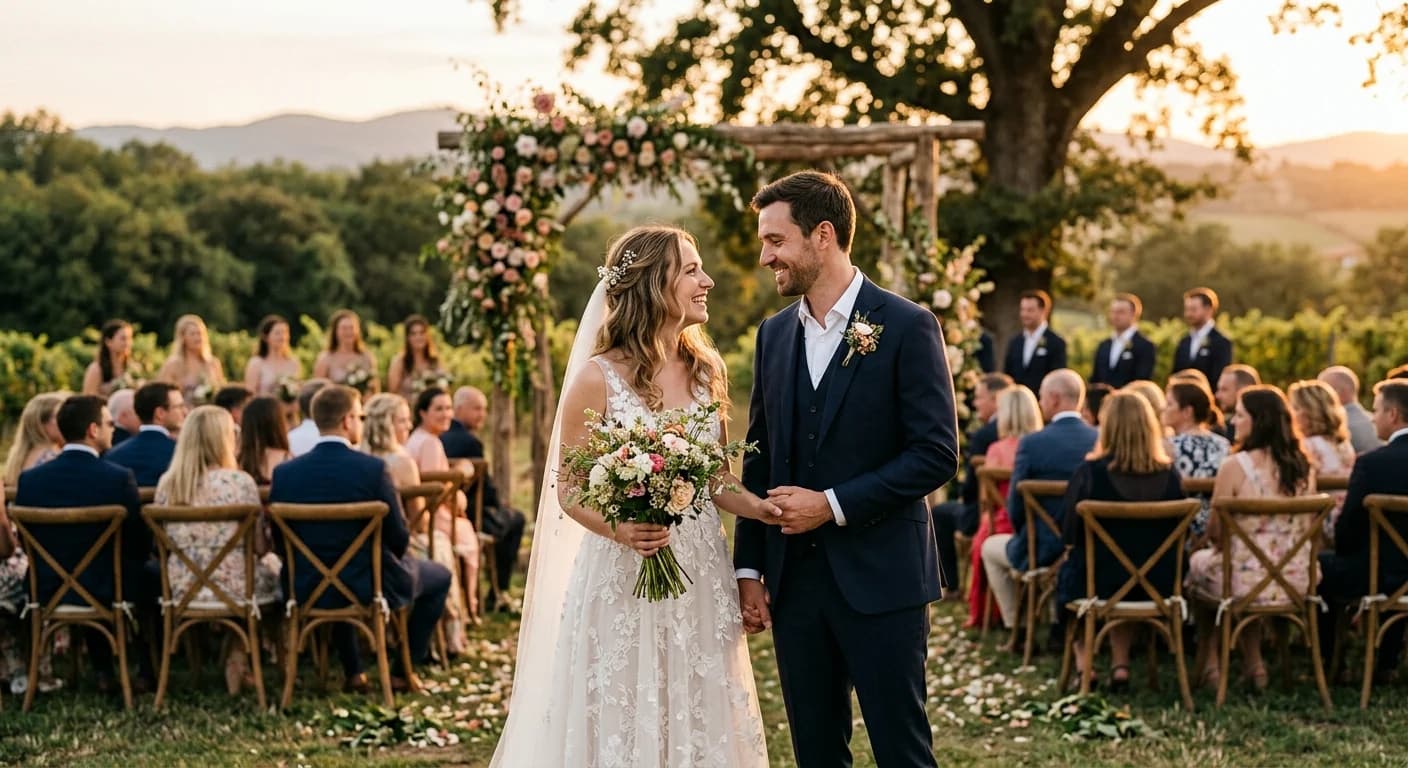
Planning your wedding day is a puzzle, and one of the most critical pieces is the wedding photography timeline. It's the blueprint that ensures every cherished moment, from the intimate getting-ready details to the energetic dance floor, is captured beautifully. A well-structured schedule doesn't just result in better photos; it reduces stress, keeps your day flowing smoothly, and allows you to remain present with your loved ones. But with so many variables like first looks, venue changes, and guest counts, where do you even start?
A crucial aspect of a seamless wedding day, directly impacting your photo opportunities, is the efficient movement of your guests. Consider consulting a comprehensive wedding guest transport planning guide to ensure everyone arrives on time and without hassle, preventing delays that could disrupt your photography schedule.
This guide breaks down six proven timeline templates used by professional photographers. We will provide hour-by-hour examples, strategic analysis, and actionable takeaways for each one. Whether you're planning an intimate elopement or a grand all-day celebration, you'll find a framework here to customize a schedule that guarantees a stress-free day and a stunning gallery of memories. Let's dive into the timelines that will help you craft your perfect day.
1. The 8-Hour Full Day Timeline
The 8-hour full day timeline is the industry standard for a reason. It offers a comprehensive yet concise window into your wedding day, capturing the essential narrative from the final moments of preparation to the key highlights of your reception. This package is ideal for couples who want a complete story without the expense of all-night coverage.
This timeline typically begins 2-3 hours before the ceremony, allowing your photographer to document the beautiful details: your dress, rings, and invitations. It then covers the emotional first look, the ceremony itself, family formals, wedding party portraits, and newlywed photos. The coverage continues into the reception, capturing grand entrances, first dances, toasts, and the cake cutting before concluding.
Strategic Breakdown and Sample Timeline
An 8-hour timeline is a balancing act. Every minute is allocated to ensure all major events are covered beautifully, with enough buffer time to handle minor delays. This structure provides a full day's story, focusing on the most photographically rich moments.
To give you a clearer picture, this infographic breaks down a typical 8-hour wedding photography timeline into its core components.


The visualization highlights how the day is strategically weighted, with half the time dedicated to capturing the reception's dynamic energy and events.
Actionable Takeaways for Your 8-Hour Timeline
To maximize an 8-hour package, meticulous planning is crucial. Focus on efficiency without sacrificing the day's organic flow.
- Finalize Hair and Makeup Early: Have your hair and makeup team finish at least 30 minutes before your photographer is scheduled to arrive. This ensures you are ready for "getting ready" shots without feeling rushed.
- Create a "Must-Have" Shot List: While your photographer will capture standard moments, a concise list of 10-15 family portrait combinations keeps formal photos moving efficiently.
- Build in Buffer Time: Schedule 15-minute cushions between major transitions, such as moving from the ceremony to the reception venue. This absorbs small delays and reduces stress.
- Coordinate with All Vendors: Share your finalized photography timeline with your planner, videographer, and DJ to ensure everyone is synchronized. For more detailed guidance, check out our ultimate guide to planning your wedding photography timeline.
By thoughtfully structuring your day, the 8-hour timeline delivers a rich, complete gallery that beautifully tells the story of your wedding from start to finish.
2. The First Look Timeline
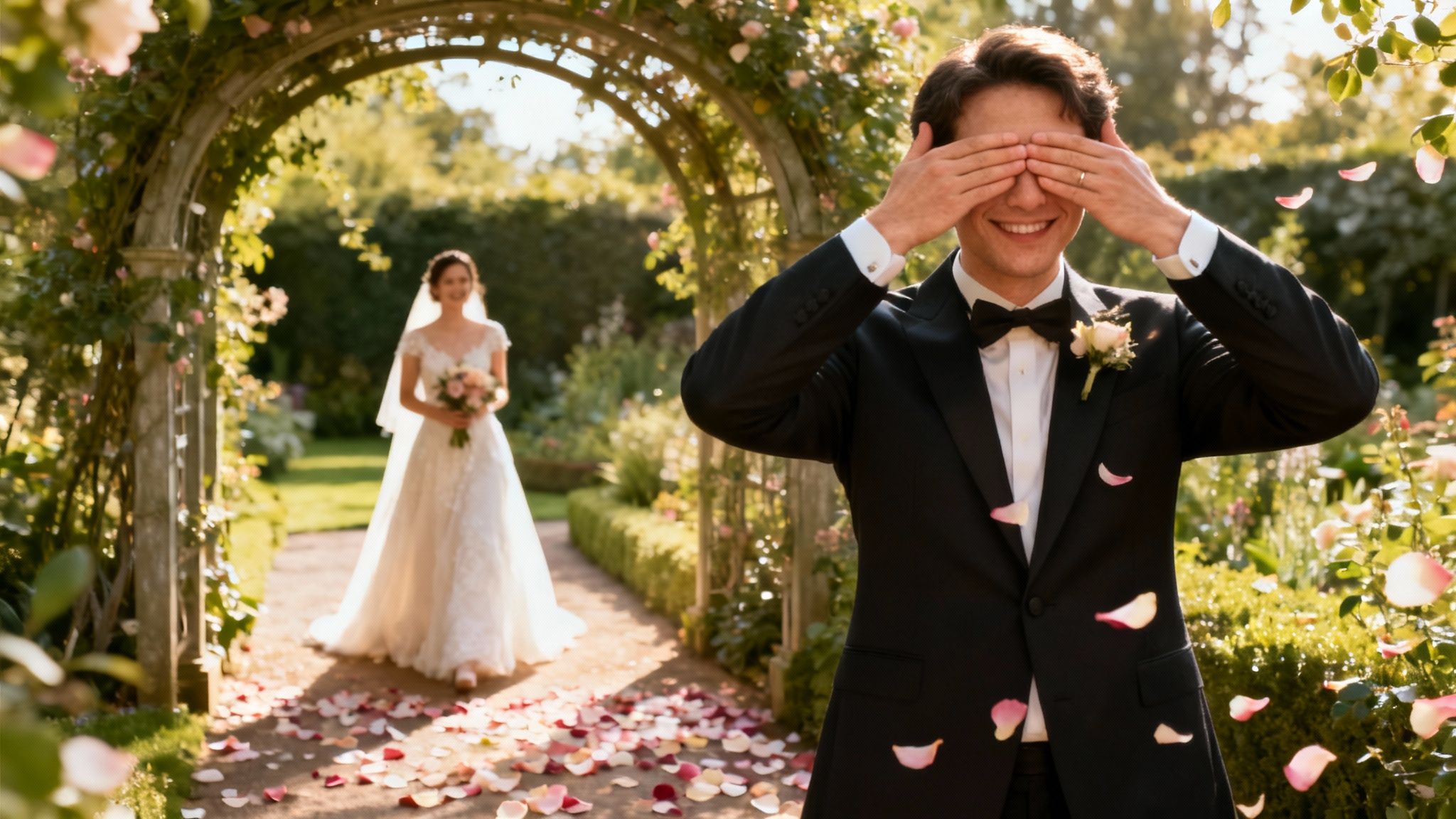
The First Look Timeline is a modern approach that restructures your wedding day by scheduling a private, intimate moment for you and your partner to see each other before the ceremony. This strategic shift allows the majority of formal portraits, including couple, wedding party, and family photos, to be completed pre-ceremony. This timeline is perfect for couples who want to enjoy their cocktail hour and spend more time with guests.
This approach dramatically alters the day's flow, front-loading the photography sessions and creating a more relaxed post-ceremony experience. Instead of rushing through photos between the ceremony and reception, you can be fully present. Popularized by modern wedding photographers and blogs, this timeline prioritizes the couple's experience and emotion, capturing a genuine, private reaction that is often one of the day's most cherished memories.
Strategic Breakdown and Sample Timeline
A first look timeline is all about efficiency and emotion. By getting the formal photos done early, you free up the rest of your day to flow naturally, reducing stress and allowing you to join your own party. This structure builds a calm, controlled environment for photos before the day's energy and excitement peak.
This video beautifully illustrates the emotional impact and logistical benefits of incorporating a first look into your wedding photography timeline.
The visualization shows how this timeline creates a relaxed, seamless transition from the ceremony directly into the celebration without a long photo gap for guests.
Actionable Takeaways for Your First Look Timeline
To make a first look timeline successful, coordination and timing are key. It's about creating a private moment while ensuring the day's logistics run smoothly.
- Schedule Ample Time: Plan your first look to happen 2.5 to 3 hours before your ceremony begins. This gives you enough time for the reveal, couple's portraits, wedding party photos, and immediate family portraits without rushing.
- Choose a Private Location: Select a scenic and secluded spot for the first look. Good lighting is essential, but privacy is what allows for a truly genuine and emotional moment.
- Have Everyone Ready: Ensure the wedding party and any family members involved in pre-ceremony photos are completely dressed and ready before the first look is scheduled to begin.
- Plan for Sunset Shots: Even with photos done early, schedule 20-30 minutes for "just-married" portraits during the golden hour near sunset. This captures a different, more romantic light. For more inspiration, explore our guide to capturing candid moments on your wedding day.
By implementing a first look, you gain a timeline that prioritizes your experience, giving you more time to celebrate with loved ones and a gallery filled with authentic, emotional moments.
3. The 10-12 Hour Extended Coverage Timeline
For couples who want an all-encompassing narrative of their wedding day, the 10-12 hour extended coverage timeline is the ultimate choice. This premium option captures the entire story, from the quiet, early morning preparations to the energetic final moments of the reception. It is designed for multi-venue events, luxury weddings, or any celebration where the atmosphere and activities evolve significantly throughout the day.
This comprehensive wedding photography timeline ensures no moment is missed. It typically starts with the very first stages of getting ready, covers the ceremony, multiple portrait sessions, and extends deep into the reception to document late-night dancing, special exits like a sparkler send-off, or even an after-party. This package provides a complete, cinematic retelling of your day.
Strategic Breakdown and Sample Timeline
An extended timeline is about capturing depth and detail. The additional hours are not just for more pictures, but for telling a richer story, allowing for more creative shots, and accommodating complex logistics without feeling rushed. It offers the flexibility needed for large-scale or logistically intricate weddings.
This approach allows for a more relaxed pace, building in natural breaks and opportunities for unique photo sessions. For example, a 12-hour timeline might cover a 10 AM start time for hair and makeup candids through a 10 PM grand exit, including separate getting-ready locations, a church ceremony, and a grand ballroom reception.
Actionable Takeaways for Your 10-12 Hour Timeline
To make the most of an extended timeline, strategic planning and clear communication are key. This ensures your photographer’s energy is focused on the moments that matter most to you throughout the long day.
- Plan Two Portrait Sessions: With more time, schedule two distinct couple's portrait sessions. One can be held post-ceremony, and a second, shorter session can be planned during the "golden hour" at sunset for dramatically different lighting.
- Incorporate a Photographer Break: A long day requires a lot of energy. Build a 30-45 minute break for your photography team into the timeline, often during dinner when guests are eating. This is also a good time to ensure their vendor meal is provided.
- Discuss Late-Night Priorities: If you want specific late-night moments captured, like a sparkler exit or a special dance, communicate this clearly. Your photographer can then plan their final hour of coverage around these key events.
- Consider a Second Photographer: For large weddings or events with simultaneous activities (e.g., cocktail hour for guests while the couple takes photos), a second photographer is invaluable for comprehensive coverage. For more insights on structuring your day, you can explore detailed guides on building a perfect wedding photography timeline.
By leveraging the full potential of a 10-12 hour timeline, you receive a detailed, immersive gallery that documents every chapter of your wedding day story.
4. The Ceremony-Only Timeline (2-3 Hours)
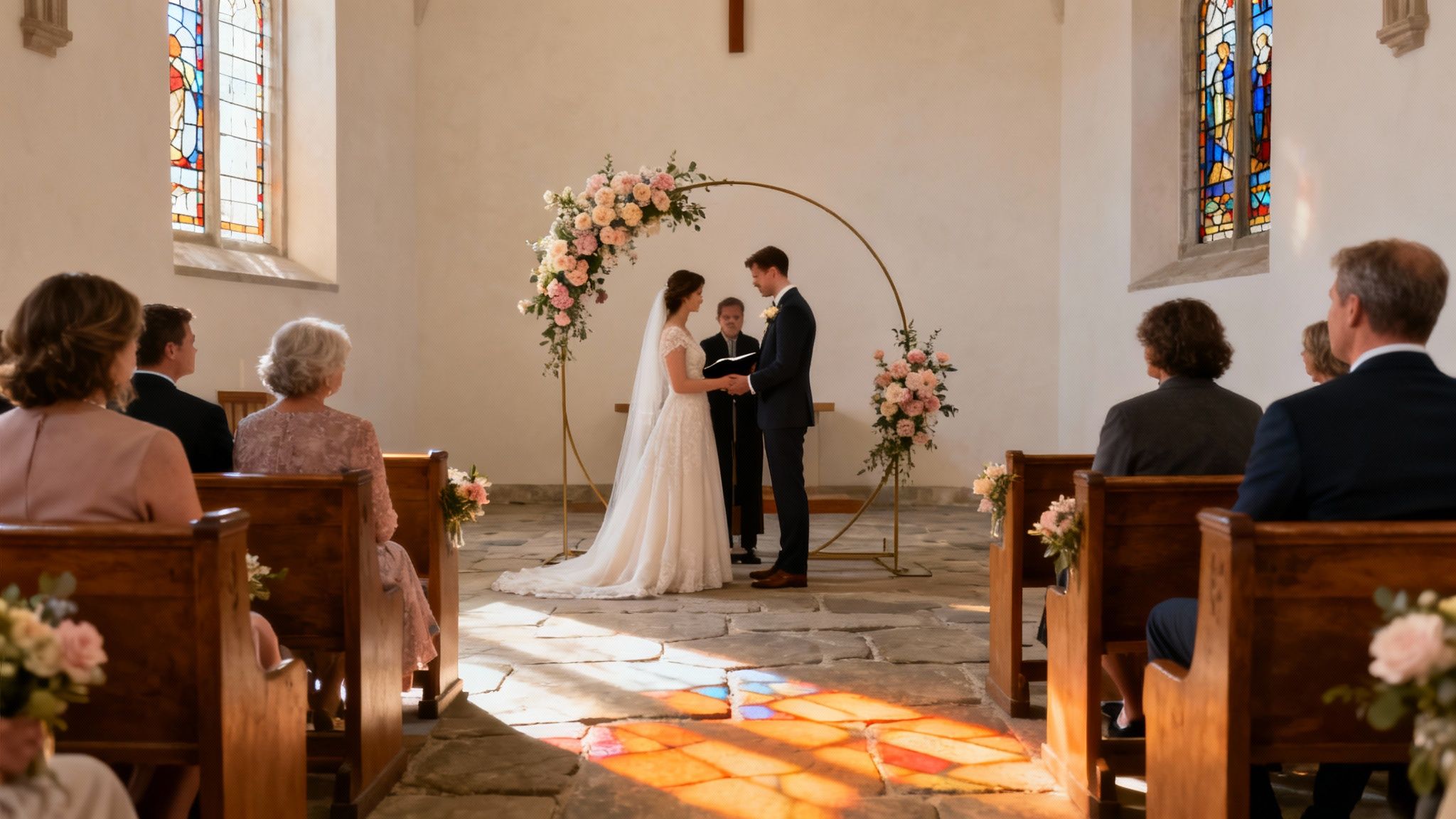
The ceremony-only timeline is a concise and budget-friendly option designed for couples who want to prioritize professional documentation of their vows and core portraits. Spanning just 2 to 3 hours, this package focuses exclusively on the ceremony and the moments immediately surrounding it, from guest arrivals to family formals and newlywed photos. It’s an ideal choice for elopements, courthouse weddings, or couples planning a casual reception where photography is not a primary focus.
This timeline typically begins about 30 minutes before the ceremony to capture the venue and arriving guests. It then covers the full ceremony, the recessional, and a streamlined portrait session afterward. This approach ensures you receive high-quality images of the most legally and emotionally significant part of your day without the investment required for full-day coverage.
Strategic Breakdown and Sample Timeline
A 2-3 hour timeline is all about precision and efficiency. There's no room for delays, so every minute is planned to maximize photo opportunities. The goal is to capture the essential narrative of your union, focusing on the ceremony, key family members, and your first portraits as a married couple.
This condensed schedule requires careful coordination. For instance, a city hall wedding might involve one hour for the ceremony and another hour for portraits at a scenic nearby park. A small church wedding could include 30 minutes pre-ceremony, a 30-minute service, and 90 minutes for family and couple portraits before you head to a separate, casual reception.
Actionable Takeaways for Your Ceremony-Only Timeline
To make the most of a short timeline, strategic preparation is essential. The focus is on capturing the must-have moments smoothly and without stress.
- Limit Family Portrait Combinations: Keep your formal family photo list to a maximum of 8-10 essential groupings. This prevents the portrait session from consuming all of your limited time.
- Pre-Select Your Portrait Location: Scout and choose a portrait location that is very close to your ceremony venue to minimize travel time. Every minute saved is another minute for photos.
- Assign a Photo Wrangler: Designate a family member or friend who knows everyone to help organize and gather people for family portraits. This simple step can dramatically speed up the process.
- Inform Key People: Provide your officiant and photographer with a ceremony program. Also, discuss any restrictions on photographer movement or flash usage with the officiant beforehand. For more inspiration, explore these essential wedding photo ideas for memorable moments.
By planning meticulously, your ceremony-only wedding photography timeline will deliver a beautiful, focused gallery that perfectly commemorates the heart of your wedding day.
5. The Two-Photographer Timeline
A two-photographer timeline elevates your wedding coverage by capturing multiple events and perspectives simultaneously. This approach is invaluable for large weddings, multi-location preparations, or simply for couples who want a richer, more dynamic gallery. It ensures that while one photographer focuses on the main action, the second captures candid reactions and alternative angles.
This timeline structure allows for parallel storytelling, such as documenting both partners getting ready at different locations without compromise. During the ceremony, one photographer can capture the emotional walk down the aisle while the second focuses on the partner's reaction. This dual coverage provides a comprehensive and deeply personal narrative of your wedding day, typically spanning 6 to 10 hours.
Strategic Breakdown and Sample Timeline
The power of a two-photographer timeline lies in its ability to divide and conquer. One photographer (the lead) directs the key moments like portraits and family formals, while the second shooter captures candid moments, guest interactions, and details. This coordinated effort ensures no moment is missed, from the grandest entrance to the subtlest tearful glance.
For example, during a large outdoor ceremony, the lead photographer might be positioned at the altar for a clean shot of the vows, while the second photographer moves discreetly to capture wide-angle views and guest emotions, adding layers to your final gallery.
Actionable Takeaways for Your Two-Photographer Timeline
To fully leverage the benefits of having two photographers, clear communication and strategic planning are essential. This approach maximizes coverage and creates a seamless experience.
- Assign Separate Locations: Provide each photographer with their designated getting-ready address well in advance. This ensures both partners receive equal, dedicated coverage.
- Define Roles During Portraits: Assign the lead photographer to direct and pose the main shots. The second photographer can then focus on capturing candids and assisting, for example, by organizing the family portrait list to keep the session flowing efficiently.
- Stagger Location Scouting: While the lead photographer finishes up newlywed portraits, the second photographer can travel to the reception venue to capture decor and cocktail hour details before guests arrive.
- Clarify Expectations: Discuss the second photographer's role with your lead photographer beforehand. Understanding their responsibilities ensures a cohesive final gallery. Delve deeper into the different roles a photographer plays on a wedding day to better coordinate your team.
A well-executed two-photographer timeline provides unmatched depth and variety, delivering a wedding story told from every possible angle.
6. The Destination Wedding Timeline
A destination wedding timeline extends far beyond a single day, transforming your photography coverage into a multi-day narrative. This specialized approach is designed to capture the entire experience, from welcome parties to day-after adventures, telling a complete story of your celebration in a unique location. It’s perfect for couples who want to document not just the “I do’s” but the journey and atmosphere of their chosen destination.
This timeline typically spans 2-4 days, encompassing events like the rehearsal dinner, the full wedding day, and often a creative portrait session at iconic local spots. This structure allows for a more relaxed pace, taking full advantage of the best lighting conditions and scenic backdrops your destination offers, which might not be possible on the wedding day itself.
Strategic Breakdown and Sample Timeline
The key to a successful destination wedding photography timeline is strategic scheduling that balances events with travel and exploration. The goal is to create a rich, diverse gallery that reflects both the celebration and the sense of place. This approach treats the location as a central character in your wedding story.
For example, a timeline for a wedding in Tuscany might look like this:
- Day 1 (3 hours): Arrival and a welcome dinner at the villa, capturing candid guest interactions.
- Day 2 (10 hours): Full wedding day coverage, from getting ready to the reception.
- Day 3 (4 hours): A relaxed newlywed portrait session at a local vineyard and in the historic streets of Florence.
This multi-day structure ensures no moment is rushed and allows for creative sessions when tourist spots are less crowded, such as at sunrise.
Actionable Takeaways for Your Destination Timeline
Planning a destination wedding timeline requires close collaboration with your photographer and a focus on logistics. Flexibility is paramount to accommodate travel and potential weather shifts.
- Book Your Photographer Early: Secure your photographer 12-18 months in advance, as destination weddings require significant travel planning.
- Schedule a Scouting Day: Build a half-day into the timeline for your photographer to arrive early and scout the best locations and lighting angles at your venue and portrait spots.
- Plan a "Day After" Session: Schedule a relaxed "adventure session" the day after the wedding for stunning portraits without the time constraints of the main event. This is perfect for exploring cenotes in Mexico or hiking to a mountain overlook.
- Coordinate with Local Vendors: Share the photography schedule with all vendors, especially if your photographer needs local assistance with things like lighting. For more tips, our complete guide to choosing your destination wedding photographer offers in-depth advice.
By expanding your wedding photography timeline across multiple days, you create an immersive visual story that honors your celebration and the incredible destination you chose.
Wedding Photography Timeline Comparison Table
Timeline Type
🔄 Implementation Complexity
⚡ Resource Requirements
📊 Expected Outcomes
💡 Ideal Use Cases
⭐ Key Advantages
The 8-Hour Full Day Timeline
Moderate 🔄
Standard single photographer, 8 hrs
Comprehensive coverage of main wedding events
Traditional weddings, moderate budgets, single venue
Cost-effective, covers key moments, flexible
The First Look Timeline
Moderate-High 🔄
Single photographer, earlier start
Most portraits pre-ceremony, more reception time
Couples preferring non-traditional flow, tight schedule
Reduces stress, better lighting, more social time
The 10-12 Hour Extended Coverage Timeline
High 🔄
Premium single or second photographer
Full-day story including late-night activities
Luxury weddings, multi-location, extended celebrations
Complete coverage, multiple lighting opportunities
The Ceremony-Only Timeline (2-3 Hours)
Low 🔄
Minimal, short single photographer
Focused documentation of ceremony and portraits
Budget-conscious, intimate weddings, elopements
Most affordable, covers critical moments
The Two-Photographer Timeline
High 🔄
Two photographers, 6-10 hrs
Multi-angle, simultaneous event coverage
Large weddings, multi-locations, complex family dynamics
Captures parallel moments, backup, more variety
The Destination Wedding Timeline
Very High 🔄
Photographer travel, multi-day
Complete destination experience over multiple days
Destination weddings, multi-day celebrations
Extensive story, location variety, weather buffer
Your Perfect Timeline is a Conversation Away
Navigating the logistics of your wedding day can feel overwhelming, but building a solid wedding photography timeline is one of the most powerful tools at your disposal. As we've explored through various templates, from the classic 8-hour day to the sprawling destination wedding schedule, a well-planned timeline is the scaffolding that supports a stress-free, picture-perfect celebration. It’s the secret to ensuring no precious moment is missed and that your day flows with intention rather than chaotic energy.
The ultimate goal isn't to rigidly adhere to a pre-made template. Instead, it's to use these examples as a strategic foundation. By understanding the building blocks of different timelines, you gain the confidence to create a schedule that is uniquely yours.
Key Takeaways for Building Your Timeline
The most crucial insight from these examples is that a timeline is not just a schedule; it's a reflection of your priorities.
- Prioritization is Paramount: Do you value a relaxed morning with your wedding party, or is capturing every last dance move at the reception non-negotiable? Your answer will determine whether an 8-hour or 12-hour timeline is a better fit.
- Buffer Time is Your Best Friend: Every timeline, from the most condensed to the most extended, should incorporate buffer time. This small addition is the single most effective strategy for reducing stress, allowing you to absorb each moment without feeling rushed.
- Communication is the Core: The most successful wedding photography timelines are born from collaboration. Your photographer's expertise is invaluable; they understand how light changes, how long family formals really take, and how to capture magic in the in-between moments.
Actionable Next Steps
With these templates and insights in hand, your next move is to start a conversation.
- Draft Your "Must-Haves": Before you even speak to your photographer, sit down with your partner and list the absolute non-negotiable moments and portraits you want captured. Is it the first look? Golden hour portraits? A special cultural tradition?
- Review Your Venue and Vendor Logistics: Consider travel time between your getting-ready location, ceremony site, and reception venue. Factor in when your hair and makeup team needs to finish and when your caterer will serve dinner.
- Schedule a Detailed Timeline Consultation: Armed with your list and logistical details, schedule a dedicated meeting with your photographer. Use the examples in this article as a jumping-off point to discuss what works for you and what needs to be customized.
Ultimately, mastering your wedding photography timeline is about more than just getting great photos. It's about designing a day where you are fully present, joyful, and immersed in the experience. By investing this planning time upfront, you are giving yourselves the gift of a relaxed, memorable celebration, confident that every cherished memory is being beautifully preserved.
Ready to craft a photography timeline that perfectly captures your love story? The expert team at Candid Studios specializes in a collaborative planning process to build a customized schedule that ensures a seamless and beautiful wedding day. Visit Candid Studios to book a consultation and let us help you design the perfect coverage for your celebration.