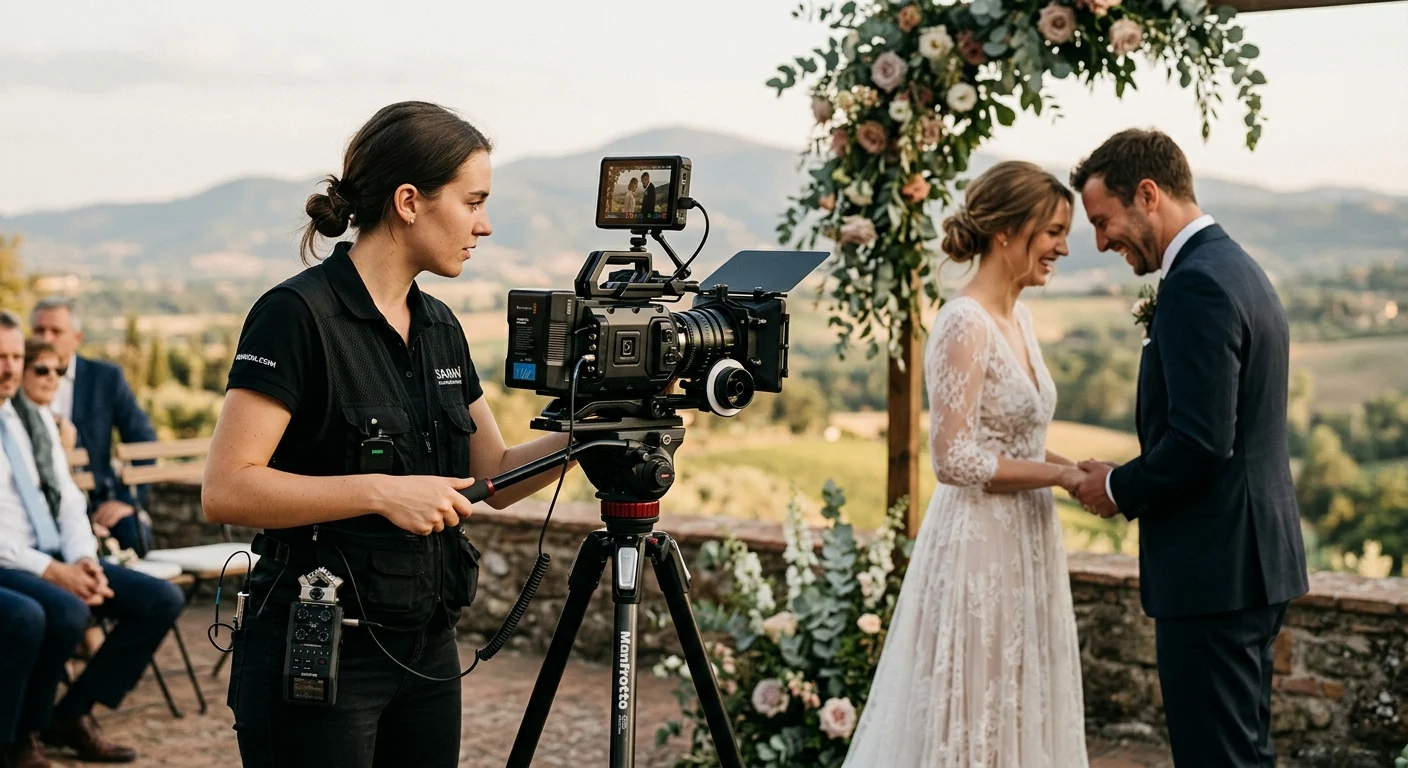
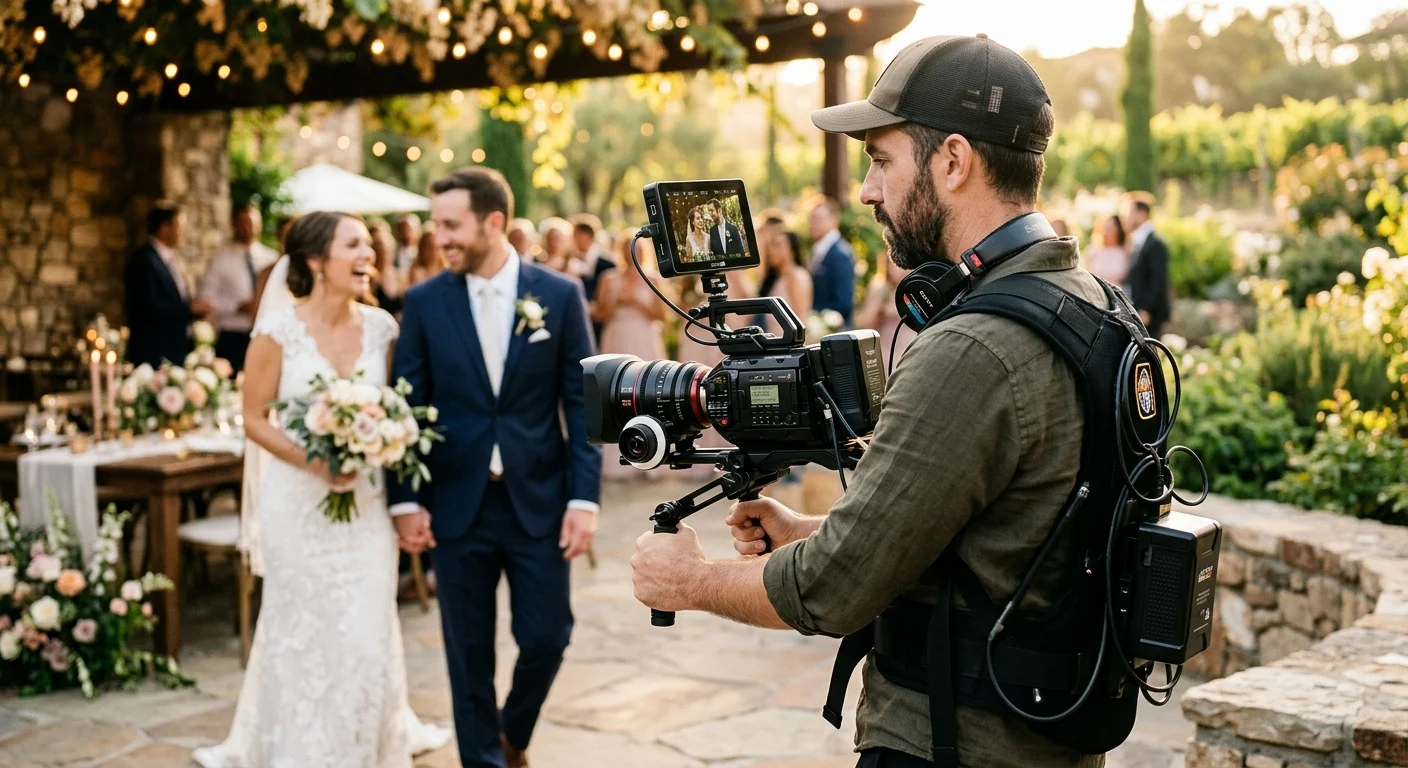
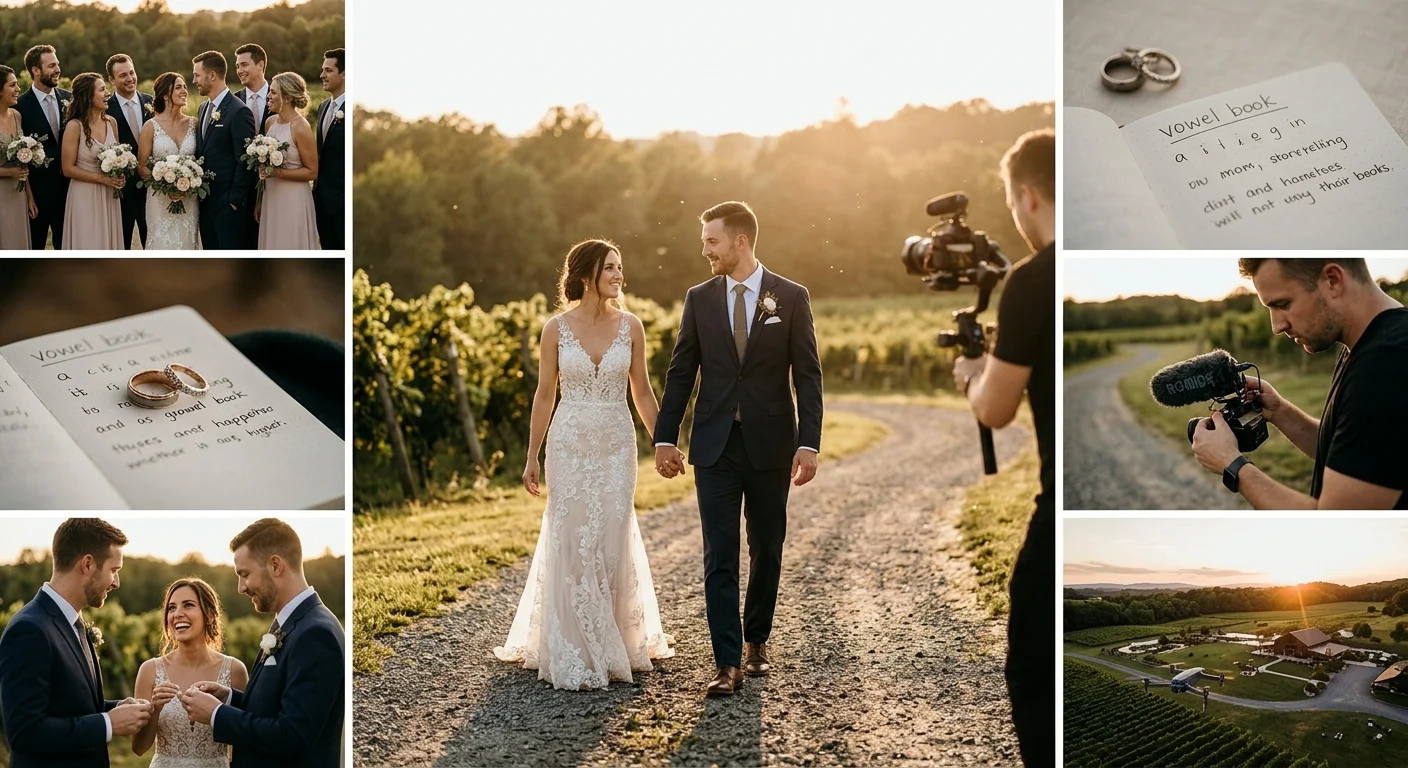
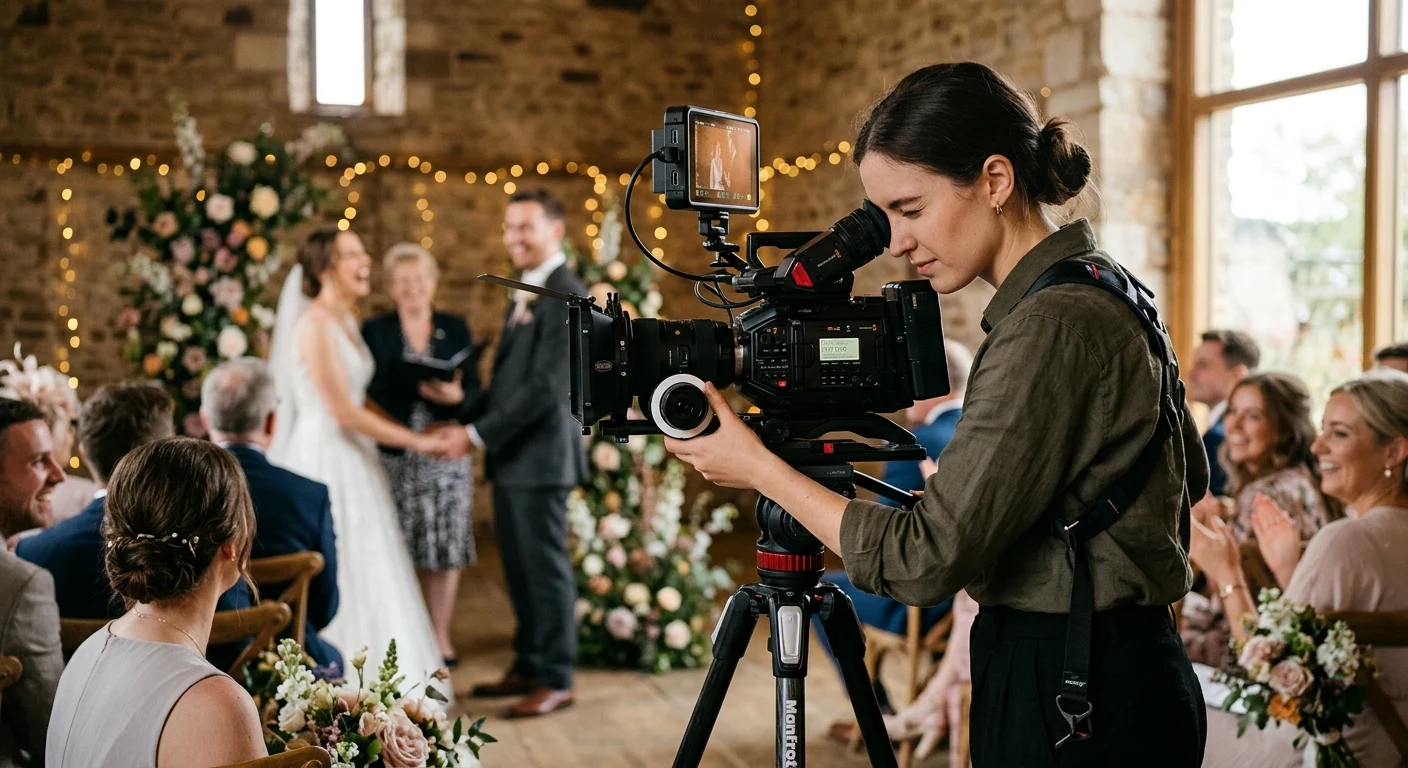
7 Essential Steps for a Complete Wedding Videography Checklist
A wedding videography checklist should cover: coverage hours, crew size, ceremony audio, must-have moments, deliverable types (highlight vs full), music licensing, backup gear, and delivery timeline. Share your shot list and timeline with both photo and video teams before the wedding week.
Capturing every important moment on your wedding day can feel overwhelming. You want your video to tell your story, highlight meaningful details, and avoid the heartbreak of missing out on special memories. Choosing a videographer, organizing your must-have moments, and sorting out technical details all add extra layers to your planning checklist.
The right guidance turns this stressful process into a rewarding experience. This list will give you clear and actionable tips to create a wedding video that truly reflects who you are as a couple. You will discover how to plan your coverage, pick a videographer with a style that fits your vision, and handle logistics, audio, and backup plans the smart way.
Get ready to pick up real strategies and expert-level insights that will help you create a wedding video you will want to watch again and again.
Table of Contents
- 1. Define Your Must-Have Moments to Capture
- 2. Choose a Videographer With a Unique Editing Style
- 3. Confirm Venue Logistics for Smooth Filming
- 4. Prepare a Shot List With Family and Friends
- 5. Discuss Audio Needs and Microphone Setup
- 6. Plan for Backup Equipment and Contingencies
- 7. Review Contracts and Raw Footage Options
Quick Summary
| Takeaway | Explanation |
|---|---|
| 1. Define must-have moments | Identify essential moments to ensure they are captured on video, such as vows, first dances, and unique cultural traditions. |
| 2. Choose a suitable videographer | Select a videographer whose editing style aligns with your vision, as this affects the final video’s emotional tone and quality. |
| 3. Confirm logistics for filming | Discuss venue details like lighting, layout, and sound restrictions to avoid issues during filming and ensure smooth coverage. |
| 4. Prepare a detailed shot list | Collaborate on a shot list for family and friends, outlining key moments and people to focus on, ensuring comprehensive storytelling. |
| 5. Discuss audio needs early | Ensure clear audio through proper microphone setup and testing to capture vows and speeches effectively, preventing sound issues. |
1. Define Your Must-Have Moments to Capture
The difference between a good wedding video and a great one starts with knowing exactly what you want to record. Before your videographer shows up, you need a clear vision of which moments matter most to you and your partner. This isn’t about capturing everything that happens—it’s about intentionally planning the shots that tell your unique story.
Think of your wedding day as a narrative with multiple acts. The opening sets the tone, the middle builds emotion, and the closing leaves your guests feeling something special. Your videographer needs to know which scenes are most important to that story. When you plan which moments to capture, including any live music or performances, you’re essentially creating a shot list that guides the entire filming process.
Start by identifying the non-negotiable moments. These differ for every couple, but they typically include the first look (if you’re having one), the processional, the ceremony itself, your first kiss as a married couple, and key reception moments like toasts and your first dance. Beyond these traditional highlights, think about what makes your wedding uniquely yours. Are you having a special performance? Will there be a cultural ceremony or ritual that’s meaningful to your family? Are you exchanging handwritten vows that you want captured in close-up? These personalized touches deserve space in your shot list.
The story you want to tell shapes everything. A couple focused on capturing authentic, candid reactions will want their videographer positioned differently than a couple who prefers more composed, portrait-style moments. Understanding how to capture authentic emotions helps your videographer know exactly where to be and what to focus on. If you want raw, genuine moments—your grandmother tearing up during the ceremony or your best friend laughing during the toasts—communicate that clearly. If you prefer more polished, intentional shots, your videographer should know that too.
Consider the logistics of your venue and schedule. Colorado mountain weddings and Florida beach ceremonies have different lighting conditions, movement patterns, and practical constraints. Your outdoor ceremony in Boulder at sunset requires different coverage than an indoor ballroom reception in Miami. Walk your videographer through your timeline and point out potential bottlenecks or beautiful moments they might miss. If your venue has a natural focal point (like an arch with mountain views or an oceanfront backdrop), make sure that’s part of your must-have list.
Don’t overlook the smaller, quieter moments that often become the most treasured. These include getting ready footage, candid conversations between family members, detail shots of your flowers and decorations, and the moment before you walk down the aisle when you’re taking a deep breath. These transitions and breather moments create the texture that makes a video feel complete and emotionally resonant. They’re the glue that holds your story together.
Pro tip: Create a written or video mood board showing your videographer reference clips or images of the emotional tone and shot styles you love, then prioritize your must-have moments into three categories: non-negotiable (cannot be missed), important (should capture if possible), and nice-to-have (bonus content). This clarity prevents miscommunication and ensures your videographer spends time on what truly matters to you.
2. Choose a Videographer with a Unique Editing Style
Your wedding video is only as good as the person who edits it. Two videographers could film the exact same ceremony, yet produce completely different final products based on their editing choices. This is why selecting someone with a distinctive editing style that resonates with you matters so much.
Editing style encompasses far more than just stringing clips together. It includes the rhythm of cuts, how transitions flow between scenes, color grading choices, music timing, pacing, and overall creative vision. A videographer who specializes in cinematic, slow-motion moments creates a vastly different feeling than one who focuses on quick cuts and upbeat transitions. One might lean toward moody, desaturated tones while another prefers vibrant, warm colors. These choices determine whether your video feels like a romantic film, an energetic celebration, or something completely unique to your personalities.
The best way to evaluate editing style is by reviewing a videographer’s portfolio carefully. Watch complete wedding films, not just highlight reels, because a full edit reveals their consistent creative approach. Pay attention to how they handle quiet moments versus high-energy sections. Notice their color palette choices, the types of music they pair with footage, and how they transition between different scenes. When you review portfolios from multiple videographers, you’ll quickly recognize whose style speaks to you. One videographer in Colorado might favor moody mountain cinematography with cinematic color grading, while another captures vibrant, documentary-style footage with brighter tones that feel more spontaneous and joyful.
Reviewing a videographer’s portfolio helps you assess whether their creative identity aligns with your vision for your wedding day. This isn’t just about technical skill, though that matters. A technically perfect video with editing choices you dislike is worse than a slightly less polished video that captures exactly the feeling you wanted. Your Colorado mountain wedding or Florida beach ceremony deserves editing that honors the setting and your love story.
Consider what emotional tone you want your video to convey. Do you want it to feel timeless and romantic, with warm tones and gentle transitions? Do you prefer modern and energetic, with dynamic cuts and contemporary music? Are you drawn to a more documentary-style approach that prioritizes authentic moments over cinematic polish? These preferences should directly influence which videographer you hire. A videographer who excels at cinematic storytelling might feel mismatched with a couple who wants candid, authentic footage edited in a raw and unpolished way.
Don’t assume that the most popular or award-winning videographer in your area is the right fit for you. Their acclaimed style might not match your vision. A videographer whose work feels perfectly tailored to your aesthetic preferences will deliver a video you’ll want to watch again and again. You might even recognize their signature style in future wedding videos you see because truly distinctive editing is recognizable and professional across all their projects.
When you meet with potential videographers, ask them about their editing philosophy. How do they choose music? Why do they prefer certain color grades? What inspires their pacing decisions? Their answers reveal whether they’re intentional about their choices or whether they follow templates. The best videographers can articulate why they make specific editing decisions because their style comes from genuine creative conviction, not default settings.
Pro tip: Watch at least three complete wedding videos from each videographer you’re considering, and note specific moments where their editing style resonates with you, then ask them during your consultation how they would apply those same techniques to your wedding day vision.
3. Confirm Venue Logistics for Smooth Filming
Venue logistics can make or break your wedding video. A beautiful location means nothing if your videographer cannot position cameras properly, access key areas, or navigate around obstacles. Before your wedding day arrives, you and your videographer need to walk through your venue together and confirm every logistical detail that affects filming.
Start with the basics about your location. Is your ceremony outdoors or indoors? If outdoors, what time of day, and where will the sun be positioned? Colorado mountain venues offer stunning backdrops but may have challenging terrain that limits camera placement. Florida beach ceremonies have sand, wind, and potential noise from waves to consider. If you’re getting married in an indoor ballroom, your videographer needs to know about ceiling height, lighting conditions, and whether columns or other structural elements will obstruct camera angles. These details directly impact shot composition and video quality.
Permits and access restrictions are often overlooked but genuinely important. Following safety protocols and local guidelines ensures your videographer can film without interruption or conflict with venue management. Some venues require permits for professional filming. Others have restrictions on where equipment can be placed or which areas are off limits. Your venue may have noise ordinances that affect how sound is recorded, especially if you’re having live music or a DJ. Clarify these requirements early so your videographer can plan accordingly and avoid showing up on your wedding day unprepared.
Discuss parking and equipment access with your venue coordinator. Where can your videographer arrive and unload gear? Will they need multiple trips? Is there secure storage for equipment during the ceremony? In tight urban settings or exclusive resort venues, parking can be surprisingly complicated. Your videographer needs to know where to position their main camera during the ceremony, whether they’ll have a clear sight line, and if they’ll need to move between multiple locations during your reception.
Walk through your ceremony and reception timeline together. Point out where you’ll stand during your vows, where your guests will be seated, and which direction you’ll walk. Show your videographer where the DJ or band will set up, where you’ll have your first dance, and how the space flows from one moment to the next. This walk-through prevents your videographer from making assumptions and ensures they position themselves strategically to capture everything on your shot list without missing critical angles.
Consider lighting conditions carefully. If your ceremony is at sunset, your videographer needs to plan for changing light and potentially bring reflectors or lighting equipment. Morning ceremonies in Florida often deal with backlighting from the sun over water. Indoor venues may have dim ambient lighting that requires specific camera settings. If you’re planning to have your reception outside under string lights, that affects how video will be exposed. Your videographer cannot fix poor lighting in editing, so planning for it beforehand is essential.
Address any venue-specific restrictions early. Some churches prohibit videographers from standing in certain areas during the ceremony. Some outdoor venues have drone restrictions. Some reception spaces limit where professional camera equipment can be positioned. Your venue may have hired their own photographer or videographer who has priority positioning. Understanding these constraints beforehand allows your videographer to adapt their strategy rather than discovering limitations on the day of your wedding.
Pro tip: Schedule a venue walk-through at the exact same time your ceremony or reception will occur on your wedding day so your videographer can see actual lighting conditions, observe how the space is used during the scheduled timeframe, and identify potential obstacles or challenges that might not be obvious during an off-hours tour.
4. Prepare a Shot List with Family and Friends
A shot list is your roadmap for video coverage. Without one, your videographer shoots reactively, hoping to capture important moments. With a detailed shot list, you’re directing the narrative and ensuring nothing gets missed. The best part is that this planning happens collaboratively with the people who matter most to you.
Your shot list serves multiple purposes. It communicates your vision to your videographer so they understand exactly what you want. It helps your family and friends know when they need to be ready for filming. It ensures comprehensive storytelling by organizing coverage around specific interactions, candid moments, and planned sequences. Think of it as a visual and operational guide that keeps everyone on the same page throughout your wedding day.
Start by identifying family moments that matter deeply to you. Do you want footage of your parents’ reactions when they see you in your wedding dress? Should your videographer capture your grandparents dancing together? Are there specific family members who traveled far that you want featured? These personal touches transform a video from generic to genuinely meaningful. Your videographer cannot read minds, so you need to tell them which family interactions are priorities. When you plan detailed coverage involving family and friends, you facilitate comprehensive storytelling that captures the relationships and connections that define your wedding.
Beyond family moments, consider your friends’ roles and interactions. Will your best man or maid of honor have a special moment you want captured? Are your friends doing anything creative or fun during the reception? Do you want candid shots of your friend group celebrating together? Including these details prevents your videographer from overlooking the people and moments that shaped your celebration.
Organize your shot list by timeline. Start with getting ready footage and specify which family members should be included. Move through the ceremony and identify key moments like the processional, the exchange of rings, and your first kiss. Then detail reception moments like the grand entrance, toasts, first dance, cake cutting, and any special surprises. For each section, note not just what you want filmed, but who should be in the frame and what emotional energy you’re going for.
Include specific details about group shots. Do you want a shot of all your bridesmaids together? A photo of your groomsmen? Extended family groups? These planned moments require coordination because your videographer needs people to assemble at specific times. Unlike photography where group shots are separate from the main event, video group moments feel more natural when they’re brief and happen during natural breaks in your day.
Communicate your shot list to your videographer at least two weeks before your wedding. Walk through it together so you can answer questions and clarify your vision. Then share a copy with key family members so they know when to be ready and where the videographer will be positioned. Your mom knows to be ready for an emotional moment when you enter the getting ready room. Your best man knows when he’ll be filmed giving his toast. Your parents know when to expect footage of them seeing you for the first time.
Be realistic about what can actually be captured. Your videographer is one person, and they cannot be in multiple places simultaneously. Prioritize your must-have moments and accept that some secondary moments might not make it into the final edit. A shot list that has thirty must-have moments is really just a wish list. Instead, identify your top ten to fifteen priority shots and note secondary options if time permits.
Pro tip: Create your shot list in a shared Google Doc or spreadsheet with your videographer and key family members so everyone can see the plan, add input, and stay aligned on timing and expectations before your wedding day.
5. Discuss Audio Needs and Microphone Setup
Crystal clear audio can make or break your wedding video. Even the most stunning visual footage becomes unwatchable if your vows are muffled, your toasts are barely audible, or background noise drowns out everything important. Audio deserves as much attention as your videography itself, yet many couples overlook it entirely until problems emerge on their wedding day.
Good audio is genuinely critical for wedding videos. Your videographer needs to hear your vows clearly, capture meaningful dialogue between family members, and record your toasts without overwhelming ambient noise. The challenge is that weddings happen in environments not designed for audio recording. Outdoor ceremonies in Colorado mountains have wind and distance issues. Florida beach weddings deal with crashing waves and ocean breezes. Indoor receptions have echoing halls and competing sounds from multiple speakers and guests.
Microphone placement and quality make an enormous difference in audio clarity. Your videographer cannot simply point their camera and hope the built-in microphone captures everything properly. Wedding videography requires external microphones specifically positioned for optimal sound. The most common options are lavalier microphones worn by the bride or groom during the ceremony, and shotgun microphones that capture directional audio from a distance.
Discuss your audio strategy with your videographer weeks before your wedding. Ask them what microphones they use and where they plan to position them. Will they clip a lavalier mic to your dress or suit so they capture your vows clearly? Will they use a separate receiver to record ceremony audio while filming? How do they handle recording toasts and speeches at the reception without picking up the entire room’s background noise? These conversations ensure your videographer arrives prepared with the right equipment and knowledge of your specific venue challenges.
For your ceremony, a lavalier microphone is essential. This small clip-on mic attaches to your clothing and captures your voice with minimal background interference. Your groom can also wear one if you want both vows recorded clearly. Make sure your videographer tests the microphone beforehand to confirm it works properly and that audio levels are set correctly. Wind and movement can affect lavalier mics, so discuss these potential issues in advance.
Reception audio requires different handling. Your videographer might record directly from the DJ or band’s audio system to capture toasts and speeches clearly. Alternatively, they position a shotgun microphone aimed at whoever is speaking. The goal is capturing clear dialogue while minimizing ambient noise from the crowd. If you’re planning special moments like a surprise song or performance, make sure your videographer knows this requires different mic positioning and setup.
Testing equipment and audio in advance is non-negotiable. Your videographer should visit your venue ahead of time to test microphone performance in the actual space. Sound behaves differently in different environments. A practice run helps identify potential issues like excessive background noise, echo problems, or equipment interference. If something doesn’t work during this test, your videographer has time to adjust their strategy before your wedding.
Be honest about your venue’s audio challenges. If your ceremony is outside and windy, your videographer needs to know they might need wind screens for microphones or backup recording methods. If your reception includes live music, discuss how the videographer will balance capturing the performance while still recording clear toasts. If you’re having a DJ playing through a sound system, ask your videographer how they’ll connect to that system to record audio directly.
Consider whether you want background music recorded along with your vows and ceremony moments, or if you prefer just the essential dialogue with music added during editing. Some couples love hearing their DJ or live band in the background of reception footage. Others find it distracting and prefer silence during certain moments. Communicate this preference to your videographer so they adjust their recording levels accordingly.
Pro tip: Have your videographer do a full audio test during your rehearsal if possible, recording sample ceremony footage and checking both the lavalier microphone and any backup recording methods, then listen to the playback together to identify and solve any issues before your actual wedding day.
6. Plan for Backup Equipment and Contingencies
Your wedding day will not go exactly as planned. Something unexpected will happen. The question is not whether problems occur, but whether your videographer is prepared to handle them without compromising your final video. This is where backup equipment and contingency planning become invaluable.
Consider what could go wrong. A camera battery dies mid-ceremony. A memory card fills up unexpectedly. Equipment gets damaged or malfunctions. Weather changes dramatically, affecting lighting or audio. Your venue loses power. A microphone stops working during toasts. Any of these scenarios could derail your video if your videographer has no backup plan. Professional videographers carry redundancy built into their workflow specifically to prevent disasters.
Identifying high-impact risks and developing backup plans ensures smooth handling of unexpected issues. Your videographer should carry spare batteries for every device they use, extra memory cards with sufficient capacity, backup cameras, and alternative power sources. They should have multiple ways to record audio in case their primary microphone fails. They should have backup lenses, tripods, and lighting equipment. This might sound excessive, but professional videographers treat backup equipment as non-negotiable.
Ask your videographer specifically what backup equipment they carry. Do they have spare batteries fully charged and ready? How many extra memory cards do they bring? What happens if their primary camera malfunctions? Can they continue filming on a secondary camera? Do they have backup audio recording devices? These questions reveal whether they approach their work professionally and seriously. A videographer who says “I’ve never had a problem” is less reassuring than one who says “Here’s exactly what I do if something fails.”
Weather contingencies are particularly important for Colorado mountain weddings and Florida beach ceremonies. Mountain weather changes rapidly. An outdoor ceremony planned for sunshine could face unexpected rain or wind. Your videographer needs weatherproof equipment or protective covers. Florida hurricanes, afternoon thunderstorms, and intense sun all require specific planning. Discuss weather scenarios with your videographer and ask how they’ll adapt. Will they protect equipment? Will they shift positioning to avoid rain damage? Will they adjust camera settings for unexpected darkness or glare?
Power management matters more than couples realize. If you’re having an outdoor reception with evening festivities, your videographer needs charged batteries to last the entire event. If they’re recording from the DJ’s sound system, they need backup power options if the venue loses electricity. Indoor venues with inadequate outlets create their own challenges. A professional videographer brings power banks, backup batteries, and alternative charging solutions to prevent running out of power during critical moments.
Memory card management prevents footage loss. Your videographer should never rely on a single memory card for your entire wedding. They should use multiple cards, format them properly before your wedding, and have a system for managing footage so nothing gets lost or overwritten. If one card fails, they have backups. If one card fills up, they have others ready. This redundancy seems simple but prevents heartbreaking situations where footage disappears due to careless file management.
Effective contingency planning involves identifying disruptions and allocating resources to minimize disruptions during your wedding. Your videographer should have a written contingency plan that addresses specific scenarios. What if the ceremony runs late? What if the reception timeline shifts? What if lighting conditions are worse than expected? What if key family members cannot participate in planned shots? Having predetermined responses to these situations means your videographer can adapt smoothly without panic or scrambling.
Communicate your concerns to your videographer. If you’re worried about outdoor weather, ask how they handle it. If you’re concerned about audio quality in your specific venue, discuss backup recording methods. If you have valuable heirlooms or sentimental moments you absolutely cannot afford to lose, tell them so they prioritize extra backups for those segments. A good videographer welcomes these conversations because they allow them to plan more thoroughly.
Understand what happens if disaster occurs despite precautions. Most professional videographers carry insurance that covers equipment failure and data loss. Ask whether your videographer has insurance and what it covers. Ask what compensation or recourse exists if they lose footage due to equipment failure on their end. This conversation might feel uncomfortable, but it clarifies expectations and protects both parties.
Pro tip: Before hiring your videographer, ask them to walk you through their backup equipment checklist and contingency plan for at least three potential problems specific to your venue, then request they bring these backups on your wedding day and position them where you can see they are present and ready.
7. Review Contracts and Raw Footage Options
Contracts matter. This might be the least exciting part of your wedding videography planning, but it is where your actual legal and financial protection lives. A written agreement protects both you and your videographer by clarifying expectations, ownership rights, and what happens if problems arise.
Your contract should address several critical areas. It specifies what deliverables you will receive, including the length and format of your final edited video. It outlines the payment schedule and cancellation policies. It defines the timeline for delivery. It addresses copyright and ownership of the footage. It clarifies what raw footage will be provided to you and under what terms. Most importantly, it creates a paper trail that prevents misunderstandings from turning into disputes.
Raw footage deserves specific attention in your contract. Raw footage refers to unedited video clips exactly as filmed. Some videographers include raw footage access with their package, others charge extra, and some do not provide it at all. Understanding this before you hire someone prevents disappointment later. Some couples want raw footage for their personal archives and potential future edits. Others only care about the final edited video. Whatever your preference, your contract should specify exactly what you will receive and when.
Understanding copyright and legal implications of recorded content is particularly important if your ceremony includes live music, performances, or special entertainment. If a musician performs original compositions or covers songs, copyright issues may arise. If your ceremony takes place in a church or venue with specific filming policies, those restrictions must be honored. Your contract should clarify who is responsible for obtaining permissions and licenses. Typically, if the venue or performers require permissions, your videographer should handle this or at least inform you of the requirements so you can address them.
Ask your videographer directly about raw footage policies. Will they provide unedited clips? How much raw footage will you receive? Will it be organized by scene or by camera angle? How will it be delivered to you? On what type of hard drive or cloud service? What happens if your hard drive fails after receiving the footage? These questions reveal whether your videographer has thought through the logistics of sharing raw material.
Be clear about your intentions for raw footage. If you want it for your own archives but never plan to edit it yourself, that is different from hiring your videographer specifically because you want raw footage for a wedding video montage a friend will edit. If you want raw footage available for 20 years in case you want to create an anniversary video, discuss long-term storage and archival options. Your videographer should know whether you expect them to maintain backup copies or if that responsibility belongs entirely to you once you take possession of the files.
Understand what happens to your footage after your wedding. Clear agreements on raw footage help avoid disputes and ensure you know how to use and archive your wedding videos. Does your videographer retain copies for their portfolio or advertising? Can they use clips from your wedding in marketing materials? Will they keep your footage backed up, and for how long? Your contract should address these scenarios so both parties understand the arrangement.
Discuss music licensing if your videographer will include copyrighted music in your final video. Some professional videographers use licensed music libraries that allow unlimited use in client videos. Others might use music that requires additional licensing fees. Your contract should specify whether music licensing fees are included in the price or if you are responsible for additional payments. This prevents unexpected expenses after you have already paid for the video.
Read your entire contract before signing, not just skim it. Ask questions about anything unclear. If your videographer uses an unusual payment structure or delivery timeline, make sure you understand it. If they have restrictions on how you can use your own video, confirm that aligns with your expectations. A good videographer welcomes these questions and will clarify contract terms patiently. If a videographer seems annoyed by contract questions or refuses to discuss specific terms, that is a red flag.
Keep a copy of your signed contract and all written communication with your videographer. If disputes arise later about what was promised, your contract is your evidence. If you need to reschedule or cancel, your contract specifies what happens to your deposit and payments. If your videographer goes out of business or disappears, your contract documentation protects you when pursuing resolution.
Pro tip: Before signing your videography contract, compare the raw footage and usage rights clauses with two other videographers you considered, then discuss any differences with your chosen videographer to ensure their terms align with your preferences and long-term plans for your wedding video.
Below is a comprehensive table summarizing the key points and recommendations detailed in the article about planning for wedding videography excellence.
Aspect
Details
Defining Must-Have Moments
Identify and communicate critical scenes to be captured, tailoring the wedding video to reflect the couple’s unique story.
Choosing the Right Videographer
Evaluate videographers based on their editing styles and alignment with the desired emotional tone and aesthetics.
Venue Logistics
Confirm practical aspects such as lighting, camera positioning, and equipment access to ensure seamless filming.
Crafting a Shot List
Collaboratively create and prioritize a comprehensive shot list, including significant moments and family interactions.
Audio Setup
Discuss and test audio equipment to capture clear sound, such as utilizing lavalier microphones for vows and directional microphones for speeches.
Backup Plans
Ensure the videographer has contingency procedures, like spare equipment and strategies for weather changes, to avoid disruptions.
Contracts and Footage Rights
Review contracts for clarity on footage ownership, deliverables, and contingency responsibilities, ensuring mutual understanding.
This table is designed to provide a clear and concise overview of the topics discussed in the article for convenient reference.
Capture Every Moment with Confidence Using Expert Wedding Videography
Planning your wedding video with precision is key to preserving the emotions and unique moments of your special day, as outlined in the “7 Essential Steps for a Complete Wedding Videography Checklist.” From defining must-have moments and choosing a videographer with a unique editing style to confirming venue logistics and securing crystal clear audio, these elements ensure your story is told flawlessly. At Candid Studios, we understand the challenges couples face in creating a seamless, emotionally resonant wedding video that truly reflects their vision.
Don’t leave your wedding memories to chance. Trust Candid Studios for professional videography services that prioritize your must-have moments, utilize tailored editing styles, and offer full raw footage at no extra charge. Serving Colorado and Florida with flexible destination options and competitive pricing starting at $425/hr, we help you confidently plan each step so nothing is missed. Explore our award-winning photography and videography services, learn why couples value our consultation expertise, and secure a personal approach that honors your unique wedding story. Visit Candid Studios today and take the crucial step toward preserving your once-in-a-lifetime moments with a team that cares.
Frequently Asked Questions
How do I define my must-have moments for wedding videography?
To define your must-have moments, make a list of key events and emotions that are most important to you and your partner. Include traditional highlights like the first look, ceremony, and toasts, along with personalized touches such as cultural rituals. Organize them into categories like non-negotiable, important, and nice-to-have to give clear guidance to your videographer.
What should I look for in a videographer’s editing style?
When selecting a videographer, review their portfolio to understand their editing style, paying close attention to how they handle transitions, pacing, and music choices. Look for complete wedding films instead of just highlight reels to gauge their consistent creative approach. Choose someone whose style resonates with your vision for your wedding day to ensure the final product reflects your desired emotional tone.
Why is discussing venue logistics with my videographer important?
Discussing venue logistics is crucial because it affects how effectively your videographer can capture the day’s events. Coordinate details like ceremony layout, lighting conditions, and access restrictions to ensure the videographer can position their equipment optimally. Conduct a venue walk-through together to identify potential challenges and plan accordingly.
How do I create an effective shot list with family and friends?
To create an effective shot list, compile a list of specific moments and individuals you want featured in your video, focusing on emotional reactions and important interactions. Organize the list by timeline, covering key segments like getting ready, the ceremony, and reception. Share the list with your videographer and close family members to ensure everyone knows when they need to be prepared.
What audio needs should I discuss with my videographer?
Discussing audio needs with your videographer is essential for capturing clear vows and toasts. Confirm what types of microphones they will use and where they will be positioned during the ceremony and reception. Ensure they have tested the audio equipment prior to the event to prevent any unexpected sound issues.
How can I ensure my videographer has backup equipment?
To ensure your videographer is prepared for unexpected issues, ask about their backup equipment and contingency plans during your consultation. Inquire about spare batteries, additional memory cards, and alternative audio recording methods they will bring to your wedding. A professional videographer will have a thorough plan to address potential equipment failures or unforeseen circumstances.
Recommended
- Capturing The Magic of Rustic Wedding Photography Charm | Candid Studios
- 10 Game-Changing Wedding Cinematography Tips for 2025
- How to Find a Wedding Photographer That You Will Love | Candid Studios
- Best Destination Wedding Videography Trends And Tips | Candid Studios
- 7 Inspiring Bridal Hair Ideas for a Stunning Wedding Look – Joel C Ma Hair Studio
Frequently Asked Questions
What should be on a wedding video shot list?
Ceremony, vows audio, speeches, first dance, and any cultural traditions you care about.
How do we prepare for the videographer?
Share timeline, vendor contacts, and any no-film zones with family.
When will we get the film?
Often 6–12 weeks; peak season can take longer. Confirm in the contract.
Explore wedding videography or contact Candid Studios. Pricing: videography cost.