Casa de España San Juan: History, Weddings & Photography
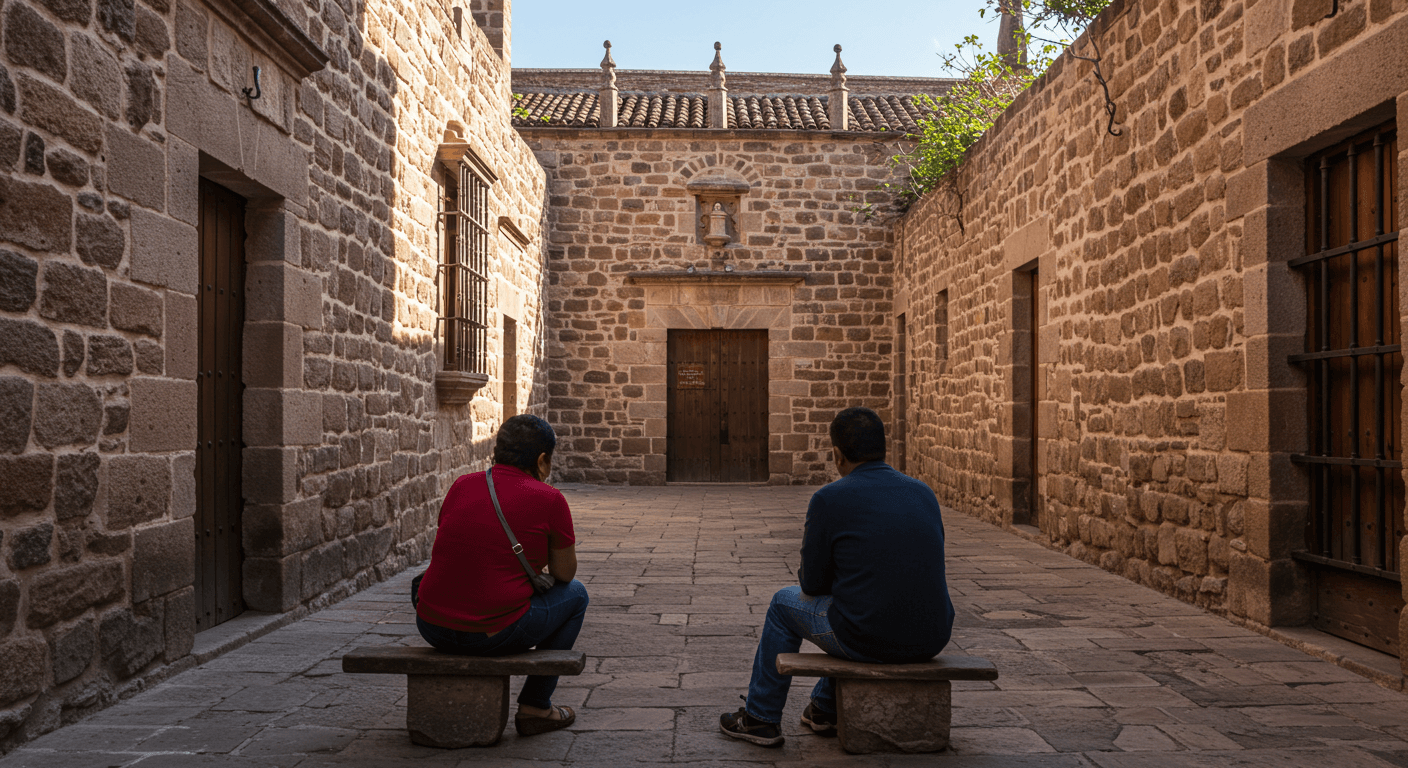
Casa de España San Juan is a historic cultural center in Old San Juan, Puerto Rico, founded in 1953 by the Spanish Benevolent Society. It hosts events, exhibitions, and community programs, and serves as a vibrant hub for Hispanic heritage, not a museum with general public admission or ticketed tours.
Nestled in the cobblestone heart of Old San Juan, Casa de España San Juan stands as more than brick and mortar. It’s a living archive, a place where generations gather to celebrate language, tradition, and shared roots. For couples planning a wedding, families documenting milestones, or cultural organizations hosting exhibitions, its arched courtyards and sun-dappled patios offer a uniquely atmospheric backdrop. And when it comes to preserving those moments, the right photography approach makes all the difference.
Key Takeaways
- Casa de España San Juan is operated by the Spanish Benevolent Society and functions as a private cultural and social center, not a publicly funded museum or tourist attraction with standard admission fees.
- The building was completed in 1953 and is listed on the National Register of Historic Places for its architectural and cultural significance within Puerto Rico’s Spanish diaspora history.
- Wedding ceremonies held at Casa de España San Juan are civil or religious events coordinated directly with the venue’s management, the site itself does not issue marriage licenses or perform legal officiation.
A Historic Landmark Rooted in Community
Casa de España San Juan wasn’t built as a monument, it was built as a home. In the early 1950s, Puerto Rico welcomed a wave of Spanish immigrants, many displaced by post-war economic hardship. The Spanish Benevolent Society, a mutual aid organization founded in 1889, responded by commissioning a dedicated space where members could gather, preserve traditions, and support one another.
The resulting structure, completed in 1953, reflects Andalusian architectural motifs: white stucco walls, wrought-iron balconies, tiled courtyards, and a central patio reminiscent of Seville’s historic palacios. Its location on Calle San Justo, just steps from the iconic El Morro fortress, places it firmly within San Juan’s UNESCO World Heritage zone.
Unlike colonial-era forts or government buildings, Casa de España San Juan was never intended for public tourism. Its primary role has always been communal: hosting language classes, flamenco performances, senior luncheons, and youth cultural workshops. That purpose remains unchanged today, making access more selective and experience-driven than transactional.
What Is the Admission Fee for Casa de España?
There is no general admission fee for Casa de España San Juan. It is not a museum, gallery, or historic site open for walk-in sightseeing. Instead, it operates as a private membership-based cultural center. Access is granted through scheduled events, private rentals, or by invitation.
Visitors attending a public lecture, concert, or exhibition may encounter a nominal suggested donation, often $5–$10, but this is voluntary and not enforced. Similarly, members of the Spanish Benevolent Society pay annual dues, not entry fees. Some guided cultural tours of Old San Juan may include Casa de España San Juan as a stop, but the venue itself does not sell tickets or maintain a public box office.
This distinction matters for photographers and planners: you won’t find online ticketing portals or timed-entry reservations. Gaining access requires coordination, with the Society’s events team, a host organization, or a contracted vendor like a wedding planner.
The History Behind the Archways and Courtyards
The story of Casa de España San Juan is inseparable from the broader narrative of Spanish migration to the Caribbean. After the Spanish-American War of 1898, Puerto Rico became a U.S. territory, yet cultural ties to Spain remained strong. By the mid-20th century, a new wave of arrivals, including Basque, Galician, and Castilian families, sought continuity in language, food, and ritual.
The Society’s leadership, led by figures like Dr. José A. Díaz and attorney Rafael A. De la Torre, championed the construction of a permanent headquarters. Funded entirely through member contributions and fundraising galas, the building rose just north of Plaza de Colón. Its cornerstone bears the date 1952; the first official gathering was held in January 1953.
Architecturally, it draws from two traditions: the regional vernacular of southern Spain and the pragmatic adaptations of tropical Caribbean design. High ceilings promote airflow. Deep overhangs shade interior corridors from midday sun. Tilework features motifs from Alhambra-inspired geometry, not replicated, but reinterpreted.
Importantly, it was added to the National Register of Historic Places in 1984, not for age alone, but for its role as a rare, intact example of mid-century Spanish diasporic institution-building in the Americas.
Planning a Wedding at Casa de España San Juan
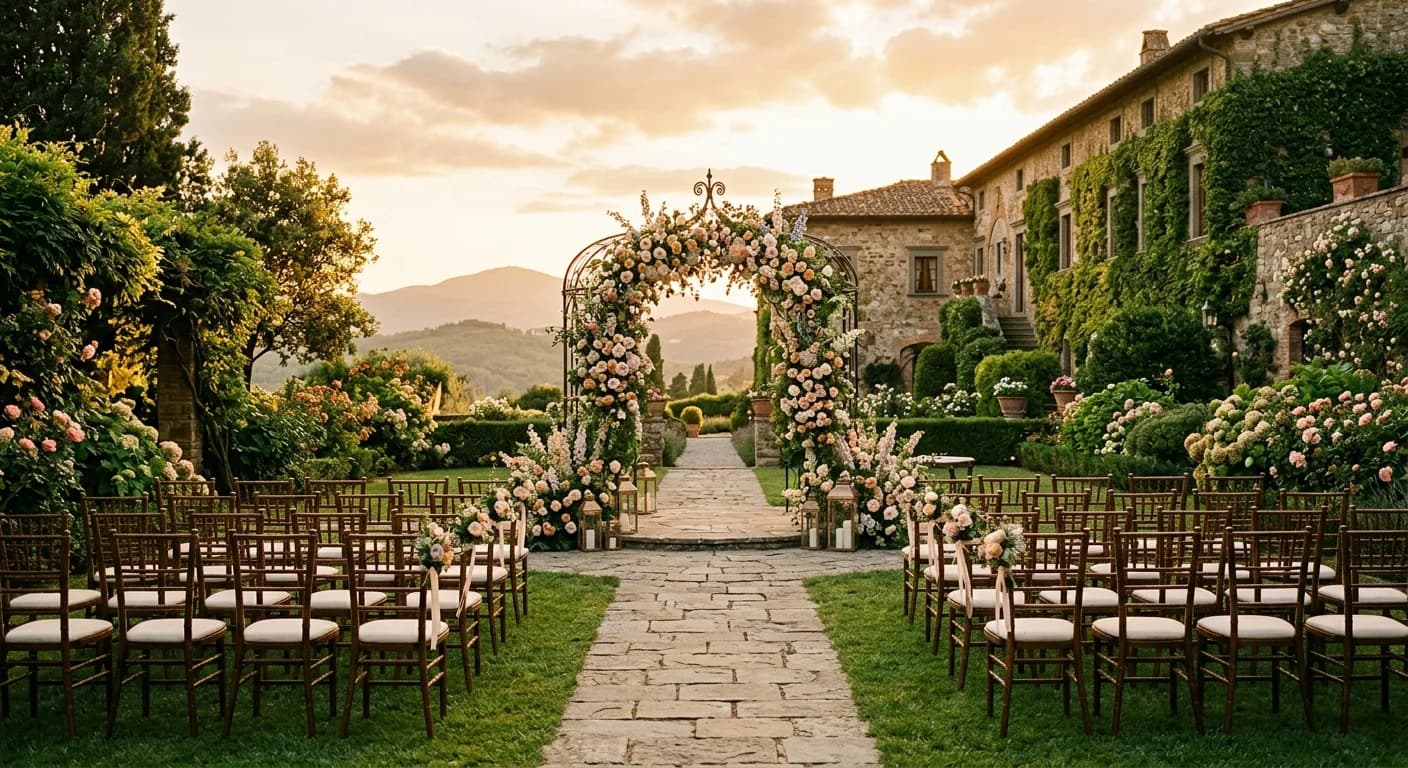
Couples drawn to Casa de España San Juan often cite its authenticity, no cookie-cutter ballrooms, no mirrored walls, no fluorescent chandeliers. What they find instead is intimacy: a courtyard where vows echo softly off centuries-old stone, a salon with original wood beams, and a sense of occasion rooted in legacy.
Weddings here are typically hosted as private rentals. The venue offers multiple configurations: an outdoor patio for cocktail hour, the main salón for seated dinner, and the historic library for intimate ceremonies. Capacity ranges from 30 to 120 guests depending on layout and local fire code enforcement on any given day.
There is no universal “wedding package.” Instead, couples work directly with the Society’s events coordinator to define scope, timing, and access. Catering must be approved (many local Puerto Rican chefs specialize in Spanish-influenced menus), and alcohol service requires prior permitting. Sound restrictions apply after 10 p.m. in Old San Juan, a detail that shapes both music selection and timeline planning.
Photography permissions are granted as part of the rental agreement, but the best images emerge not from wide-angle lenses alone, but from intentionality. That’s where a story-first approach becomes essential.
Why “Story-First” Photography Fits Casa de España San Juan Perfectly
A venue like Casa de España San Juan doesn’t just hold an event, it participates in it. Its textures speak: the patina on iron railings, the unevenness of hand-laid tiles, the way light shifts across stucco as the afternoon wanes. Capturing that requires more than technical precision. It requires listening.
That’s why every session begins with a 15-minute discovery chat, not about where to stand, but about what this day means. Is it a first-generation Puerto Rican couple honoring their grandparents’ journey from Galicia? A bilingual family blending quinceañera traditions with Spanish folkloric dance? A nonprofit launching a literacy initiative inspired by Cervantes?
That conversation shapes everything: when to arrive (golden hour light pools longest in the south-facing courtyard), where to pause (the spiral staircase casts dramatic shadows at 4:22 p.m.), how to sequence shots (a slow walk from the arched entrance to the patio mirrors the emotional arc of arrival and belonging).
It’s not about staging perfection. It’s about honoring resonance.
Natural Light Mastery in Historic Interiors
Casa de España San Juan’s interiors present both opportunity and constraint. Windows are narrow and deep-set, ideal for controlled light, but challenging for even illumination. Ceilings soar, and walls are thick, limiting bounce options for artificial flash. This is where natural light mastery becomes non-negotiable.
Rather than fighting the architecture, skilled photographers work with it. A reflector placed just inside the patio arch catches and redirects late-afternoon sun onto a bride’s profile. A diffuser overhead softens harsh midday rays hitting the mosaic floor. Shooting in open shade, under the covered portico facing north, delivers consistent, dimensional light without glare or squinting.
Outdoor sessions are timed for golden hour, roughly 60 minutes before sunset, when light warms to amber and stretches long across the courtyard. Indoor sessions lean into “ambient priority”: adjusting ISO and aperture to preserve the mood of candlelit receptions or twilight cocktail hours without introducing noise or motion blur.
The result? Images that feel lived-in, not lit, where the building doesn’t recede into background, but breathes alongside the people in it.
The Candid Edit Framework: Narrative Over Polish
Post-production for Casa de España San Juan sessions follows the Candid Edit Framework, a philosophy rooted in emotional fidelity, not artificial enhancement.
Color correction is subtle: warming tones just enough to echo the clay tiles and terracotta walls, not to the point of saturation. Exposure adjustments recover detail in shadowed archways without flattening contrast. Skin tones retain natural warmth and texture, no airbrushing, no pore removal, no “smoothing” that erases laughter lines or wind-blown hair.
What is removed? Genuine distractions: a stray plastic cup on a historic table, a modern power cord snaking across a 1950s floor, a tourist’s backpack momentarily intruding on a courtyard portrait. What stays? The slight crack in a tile, the uneven mortar between stones, the faint watermark on a century-old beam, all quiet evidence of time, integrity, and authenticity.
And sequencing matters. A wedding edit doesn’t open with the first kiss, it opens with the quiet moment before: fingers adjusting a boutonniere on the balcony, a grandmother smoothing her shawl in the library mirror, the groom pausing at the threshold, looking out over the courtyard where his vows will soon take flight.
How Candid Studios Approaches Cultural Venues Like Casa de España San Juan
Candid Studios doesn’t treat Casa de España San Juan as just another backdrop. We treat it as a co-narrator.
That means arriving early, not to scout angles, but to observe rhythms. When does the afternoon breeze shift? Which courtyard corner catches the last light? Where do guests naturally pause to take photos themselves? These aren’t logistical details, they’re storytelling cues.
Our team’s experience across Florida, Ohio, Illinois, Colorado, Texas, and New York has trained us in architectural sensitivity. We’ve shot in restored 19th-century opera houses, converted textile mills, and mid-century civic centers, each with its own acoustic signature, light behavior, and unspoken etiquette. Casa de España San Juan fits squarely within that lineage: a place where history isn’t curated behind glass, it’s lived in, leaned on, and passed down.
Every package includes free RAW files, because the integrity of the moment belongs to you. Every booking activates our backup-photographer network, because if a sudden rain shower moves in over Old San Juan, a local Puerto Rican photographer who knows the venue’s indoor rain plan is already on standby.
And while we don’t hold certifications like CPP or REPA (those aren’t part of our verified credentials), our WeddingWire Couples’ Choice Award 2024 and The Knot Best of Weddings 2022 reflect consistent client trust, not industry badges, but real-world resonance.
Frequently Asked Questions
Q: What is the admission fee for Casa de España?
A: Casa de España San Juan does not charge a general admission fee. It operates as a private cultural center for members and event attendees. Public events may suggest a voluntary donation, but there is no mandatory ticket or entry cost for visiting the site.
Q: What is the history of Casa de España?
A: Founded in 1953 by the Spanish Benevolent Society, Casa de España San Juan was built to serve Spanish immigrants and their descendants in Puerto Rico. It reflects Andalusian architectural traditions and was added to the National Register of Historic Places in 1984 for its cultural significance.
Q: How much does it cost to get married at Casa de España?
A: Rental fees for weddings at Casa de España San Juan are determined case by case and coordinated directly with the Spanish Benevolent Society. Costs vary based on date, duration, layout, and services required, no public rate card or flat fee is published.
Q: Can I get legally married at a courthouse in Puerto Rico?
A: Yes, civil marriage ceremonies can be performed at Puerto Rico’s municipal courts or by licensed notaries authorized to officiate weddings. A marriage license must be obtained in advance from the Puerto Rico Demographic Registry, and both parties must appear in person.
Q: Is Casa de España San Juan open to the public for tours?
A: Casa de España San Juan does not offer regular public tours. Access is typically granted through scheduled cultural events, private rentals, or as part of guided walking tours of Old San Juan led by third-party operators.
Contact Candid Studios today for a free consultation.