Photographer Jobs NYC: Opportunities, Pay & How to Break In
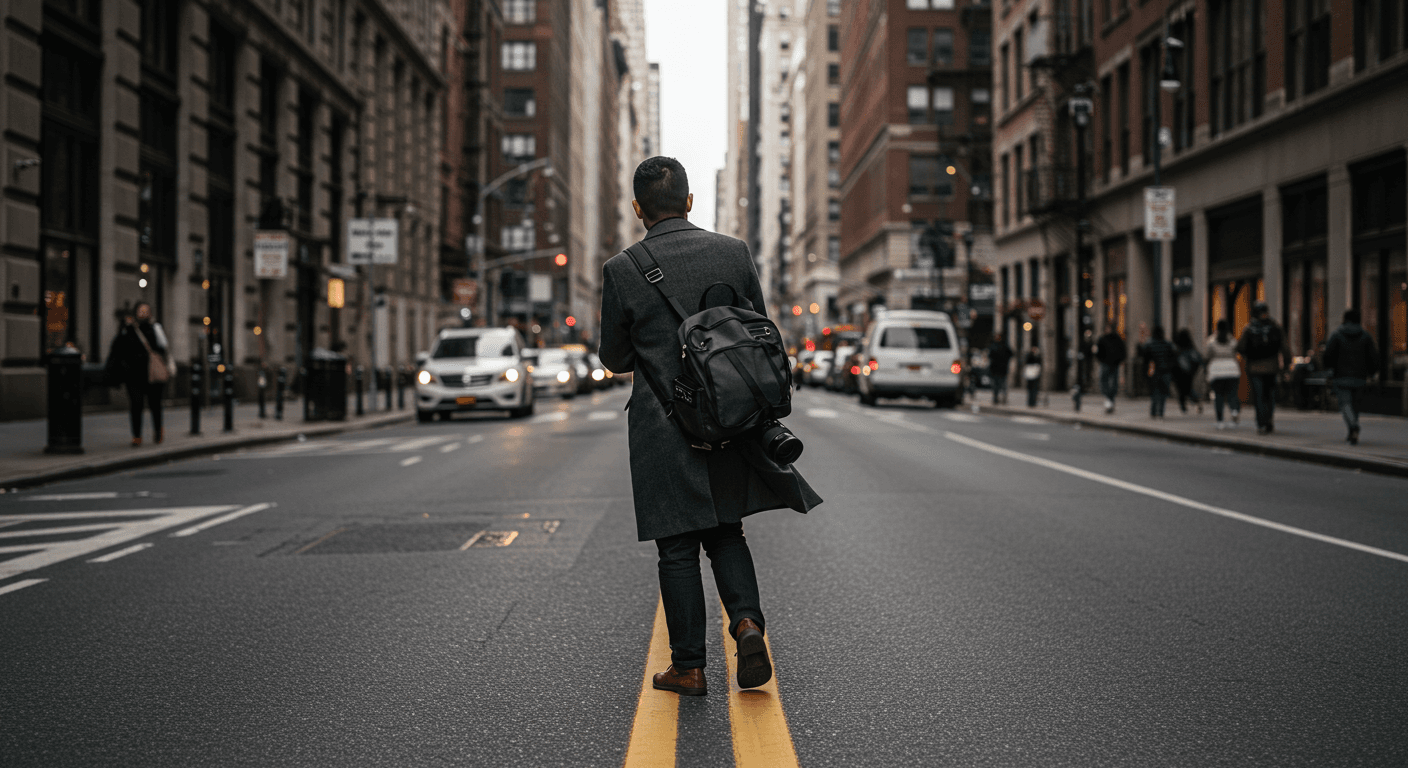
Photographer jobs NYC span weddings, corporate events, real estate, headshots, and editorial work, with demand driven by the city’s dense creative economy, high event volume, and brand-heavy industries. Most roles are freelance or contract-based, requiring portfolio strength, client management skills, and adaptability across lighting and space constraints.
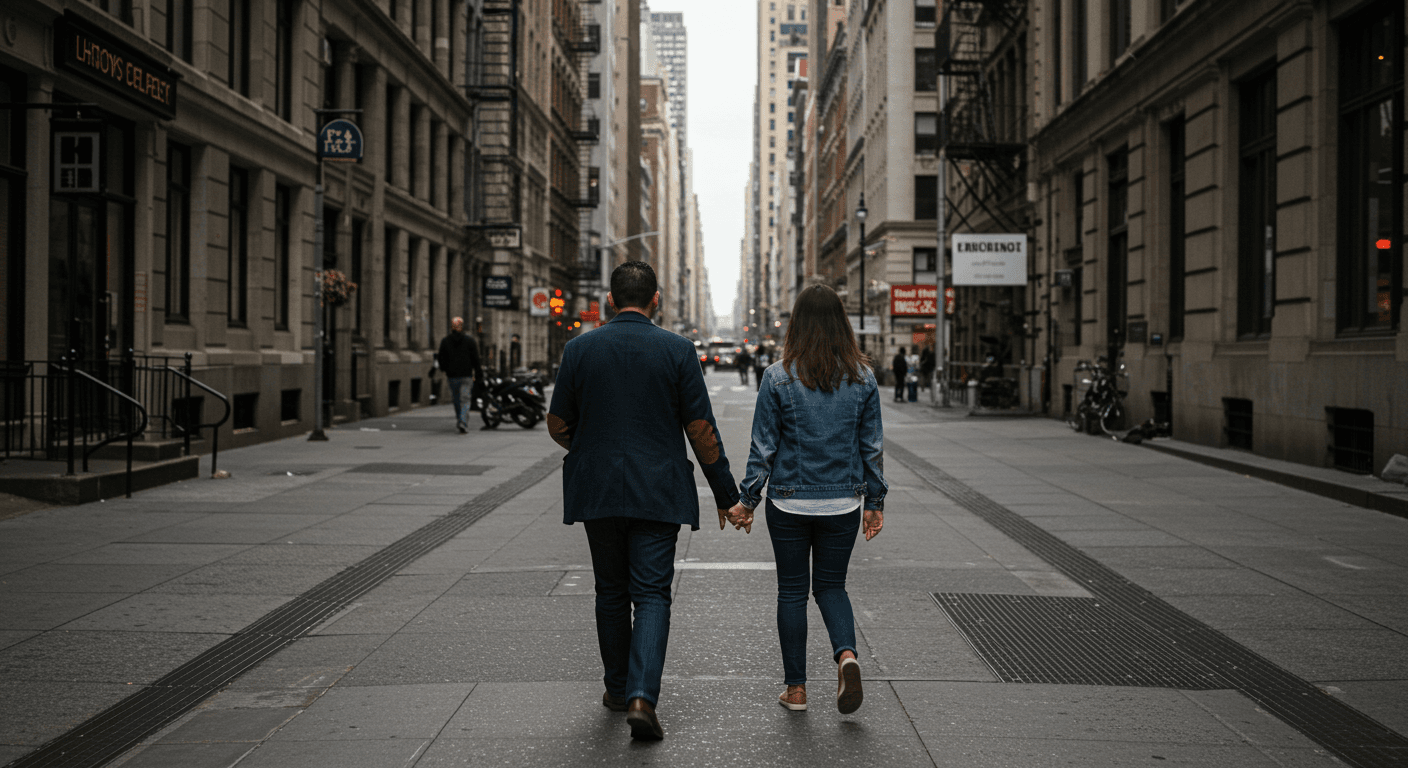
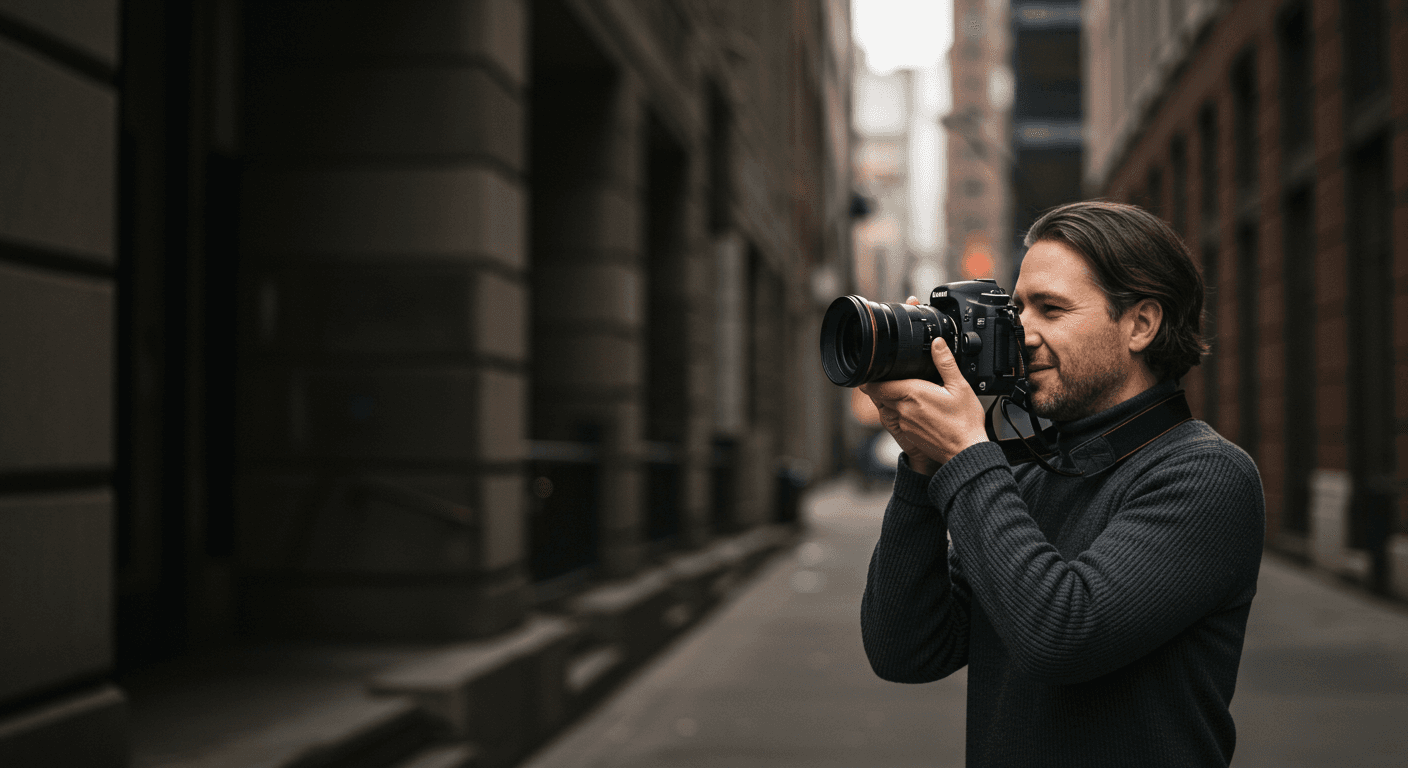
New York City pulses with visual storytelling demand, from Times Square brand launches to Brooklyn brownstone listings, from Tribeca film sets to Harlem community celebrations. If you're asking, “Where do photographers actually work in NYC?” the answer isn’t just studios or agencies, it’s boardrooms, rooftops, subway platforms, penthouse lounges, and pop-up galleries. Photographer jobs NYC aren’t limited to one niche; they’re a mosaic of specialized needs, seasonal surges, and hyperlocal expectations, all amplified by the city’s relentless pace and visual literacy.
Key Takeaways
- Photographer jobs NYC are predominantly freelance or project-based, with few full-time salaried roles outside media companies or in-house marketing teams.
- Realistic earnings depend on specialization: wedding photographers often command higher per-event fees, while corporate and real estate shooters rely on repeat retainers and volume.
- Nationwide studios like Candid Studios serve NYC clients without a physical studio, leveraging a backup-photographer network and standardized delivery windows (2–4 weeks) to ensure reliability across markets.
Why NYC Remains a Photography Career Catalyst
New York isn’t just a location, it’s a visual ecosystem. The city hosts over 200 film and TV productions annually, hosts 60,000+ weddings per year, and leads the nation in commercial real estate transactions. That volume creates consistent demand, not for generic shooters, but for photographers who understand context, timing, and unspoken client language.
For example, a corporate client hosting a product launch in SoHo doesn’t need “good lighting.” They need images that convey innovation and approachability, photos that will live on LinkedIn, press releases, and investor decks. A real estate agent listing a $4.2M condo in Williamsburg doesn’t just want wide-angle shots; they need light that makes exposed brick feel warm, not cold, and composition that implies space without distortion.
That’s where methodology matters more than gear. It’s why the Story-First Shoot, a 15-minute discovery chat before the shutter clicks, separates transactional work from trusted collaboration. In NYC, where time is currency and reputation spreads in Slack channels and Instagram DMs, understanding why a moment matters is the first exposure setting you adjust.
Specializations That Drive Demand in NYC
Not all photographer jobs NYC pay the same, and not all require the same toolkit. Here’s how the market breaks down by vertical:
-
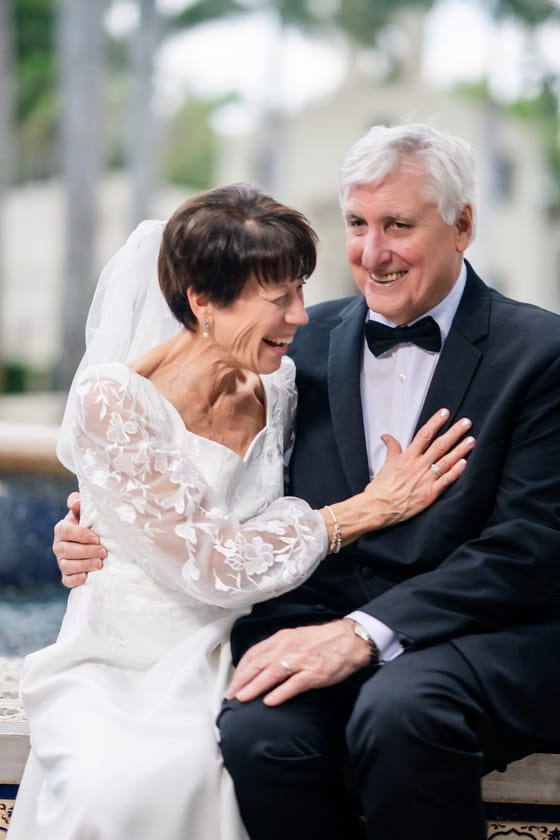
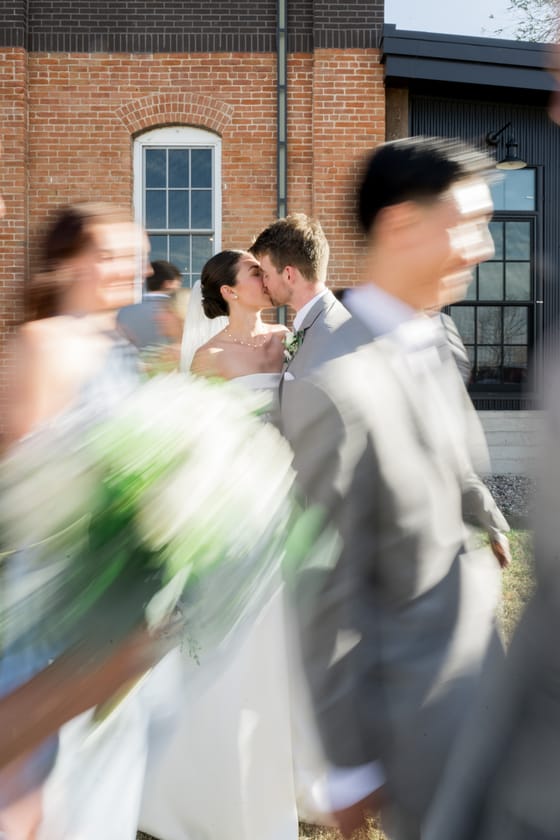
Wedding & Event Photography: Highest per-day fees ($3,500–$8,000+), but intense seasonality and client emotional stakes. Requires narrative sequencing, low-light agility, and backup coordination, especially during peak June–October windows.
-
Corporate & Brand Coverage: Steady demand from startups (Flatiron), finance firms (Wall Street), and agencies (Madison Ave). Often booked as half-day or full-day retainers. Emphasis on authenticity over polish, think candid team moments, not stiff boardroom tableaus.
-
Real Estate Photography: High volume, lower per-session fees, but recurring. NYC’s inventory turnover (especially rentals and co-ops) drives repeat bookings. Requires spatial awareness in tight apartments, HDR control, and lens distortion correction, not just “pretty shots.”
-
Headshots & Personal Branding: Strong demand from actors, founders, consultants, and attorneys. NYC clients expect quick turnaround (often <72 hours), expressive range, and studio-grade polish, even in natural-light setups.
-
Editorial & Press Work: Smallest segment for newcomers, but highest prestige. Typically accessed through agency representation or long-standing media relationships, not job boards.
None of these roles advertise on generic platforms like Indeed as “photographer jobs NYC.” They surface in Slack communities, private Instagram DMs, agency RFPs, and referrals. That’s why portfolio curation matters more than resume formatting.
The Reality of Freelance Infrastructure in NYC
Working as a photographer in NYC means operating a micro-business, even if you’re solo. There’s no HR department to handle contracts, no IT team to restore corrupted SD cards, and no payroll department to issue your 1099.
You’re responsible for:
-
Insurance: General liability and equipment coverage are non-negotiable, especially for indoor venue access and drone use (FAA Part 107 required for aerial work).
-
Contracts: Clear scope definitions prevent “just one more shot” requests that bleed into unpaid overtime. NYC venues often require proof of insurance and signed vendor agreements before granting access.
-
Backup Systems: One corrupted memory card during a $15,000 wedding can end a career. That’s why studios like Candid Studios use dual-card recording, on-site backups, and a verified backup-photographer network, ensuring coverage even if a primary shooter falls ill or faces transit delays (a real risk on the L train during rush hour).
-
Post-Production Workflow: NYC clients expect speed and fidelity. The Candid Edit Framework, adjusting exposure and color with restraint, removing only genuine distractions, sequencing for narrative, delivers consistency across 3,000+ events. It’s not about “making it perfect.” It’s about preserving emotional truth.
This infrastructure isn’t overhead, it’s credibility.
How Lighting Philosophy Shapes Client Trust
In NYC, space is scarce, and so is ideal lighting. You won’t always get golden hour on a 22nd-floor Midtown terrace. You won’t always get open shade in a narrow Lower East Side alley. That’s why Natural Light Mastery isn’t a stylistic preference, it’s a logistical necessity.
Scouting ambient conditions isn’t about waiting for perfect light. It’s about reading bounce surfaces, identifying reflectors (a white wall, a taxi cab, even a subway tile), and using diffusion to soften harsh noon sun on glass buildings. It’s about timing outdoor sessions for open shade, not just “before 10 a.m.”, but for when the building shadow falls just so across a subject’s face.
This approach builds trust quickly. When a client sees you adjust a reflector instead of hauling a 10-light rig into their Soho loft, they perceive competence, not compromise. When your images feel dimensional and warm, not flat and over-processed, they feel true. And in a city saturated with visual noise, truth is the rarest commodity.
That’s why methodology beats gear every time. A $3,000 lens won’t fix misread ambient light, but a practiced eye will.
The Portfolio Trap, And How to Avoid It
Many aspiring photographers assume their portfolio must show everything: weddings, headshots, food, architecture, street. In NYC, that’s a liability, not an asset.
Hiring managers, agency producers, and brand directors scan portfolios in under 8 seconds. They’re not asking, “Can this person shoot anything?” They’re asking, “Does this person get what I need?”
So a corporate tech client scrolling your site doesn’t want to see a moody black-and-white wedding series. They want to see how you captured the quiet intensity of a product team debugging code at 2 a.m., or the collaborative energy of a remote-first company’s first in-person offsite.
That’s why specialization isn’t limiting, it’s strategic focus. Candid Studios’ work across weddings, corporate, and real estate isn’t about being “good at all of it.” It’s about applying the same core principles, Story-First discovery, Natural Light Mastery, Candid Edit sequencing, to different contexts. The lens changes. The intent doesn’t.
Your portfolio should answer one question: What kind of client will feel seen, understood, and visually represented, before they even book you?
What Clients Actually Value (Beyond Technical Skill)
NYC clients hire photographers for three things, in this order:
-
Reliability: Showing up early, delivering on time, honoring scope, communicating proactively. A missed subway connection that delays coverage by 45 minutes can cost a wedding photographer their deposit, and their reputation.
-
Emotional Intelligence: Reading a nervous bride’s quiet energy and adjusting pace. Knowing when a CEO wants a confident headshot vs. an approachable one. Understanding that a real estate agent’s “bright and airy” request really means “make this 450-square-foot studio feel livable.”
-
Narrative Judgment: Selecting which frame tells the story, not just the sharpest one, or the most flattering one, but the one that conveys meaning. That’s the core of the Candid Edit Framework: sequencing images to build arc, not just aesthetic.
Technical skill, focus accuracy, exposure control, color science, is table stakes. It’s expected. What gets you hired, retained, and referred is how you make people feel, seen, respected, and visually understood.
That’s why the 15-minute discovery chat isn’t “pre-shoot admin.” It’s the first frame of the story.
Navigating Rates and Realistic Earnings
Pricing in NYC isn’t about “what the market will bear.” It’s about aligning your rate with your operational reality, insurance, gear upkeep, editing time, travel, and backup coordination.
A $100/hour rate may sound competitive, until you calculate that 40% of your time is non-shooting: client calls, file delivery, revisions, marketing, taxes, and equipment refresh. At $100/hour gross, your effective rate drops below $60/hour before expenses.
That’s why studios like Candid Studios price photography and videography starting at $425/hr per hour, a rate built to sustain quality infrastructure, not just cover lens depreciation. It includes RAW file delivery, on-site backup, and a verified backup-photographer network, all factored in, not added as line items.
Realistic NYC photographer earnings vary widely:
- Entry-level assistant shooters: $25–$45/hour
- Mid-level wedding shooters: $2,500–$5,000 per full-day event
- Established corporate retainers: $5,000–$15,000 per quarter
- Top-tier real estate specialists: $200–$400 per property, with volume-based retainers
But income isn’t just hourly or per-event. It’s about leverage: editing rates ($50/hr, $100/hr), aerial add-ons ($400), second-shooter coordination ($175/hr), and predictable retainer models.
The goal isn’t to chase the highest per-hour number. It’s to build a rate structure that reflects your full value, and protects your sustainability.
Frequently Asked Questions
Q: What is the average salary for a photographer in NYC?
A: There is no official “average salary” for photographers in NYC, as most operate as independent contractors or freelancers, not salaried employees. Earnings vary widely by specialization, experience, and business infrastructure. Wedding photographers often earn $60,000–$120,000 annually before expenses, while corporate and real estate specialists may achieve similar ranges through retainers and volume.
Q: What jobs pay $500,000 a year in NYC?
A: Jobs paying $500,000 annually in NYC are typically executive-level roles, such as C-suite officers in finance or tech, partner-track attorneys, or senior hedge fund portfolio managers. These positions require advanced degrees, 15+ years of experience, and often equity or bonus structures. Photography is not among the professions where $500k is a typical base income.
Q: Is $100 an hour good for a photographer?
A: $100/hour can be competitive for entry-level or assistant roles, but it’s often unsustainable for solo professionals covering full operational costs, insurance, gear maintenance, editing time, travel, and taxes. Established photographers serving corporate or high-end wedding clients in NYC typically charge $150–$350/hour to maintain quality, reliability, and scalability.
Q: Can you make 200k as a photographer?
A: Yes, but not through hourly work alone. Earning $200,000 annually as a photographer in NYC usually requires a diversified model: high-value per-event fees, retainer-based corporate work, editing services, aerial add-ons, and strategic partnerships. It also demands strong business systems, not just photographic skill.
Q: Do NYC photographer jobs require a physical studio?
A: No. Most photographer jobs NYC are location-based, meaning you shoot where the client is: offices, venues, homes, or public spaces. Studios are rare outside high-end portrait or commercial work. Nationwide providers like Candid Studios serve NYC clients remotely, using a vetted backup-photographer network and standardized delivery (2–4 weeks), eliminating the need for local brick-and-mortar infrastructure.
Contact Candid Studios today for a free consultation.