Choosing how your wedding day is captured can shape memories that last a lifetime. For many American couples planning destination weddings in Colorado or Florida, selecting the right videography style and team is more than just a detail—it greatly influences how your unique love story is preserved. With over 80 percent of couples expressing regret over not investing in professional video, finding expert guidance can make all the difference. Get ready to discover practical steps for high-quality wedding video planning that feels truly personal.
Table of Contents
- Step 1: Define Your Wedding Video Style And Vision
- Step 2: Select Your Ideal Videography Team
- Step 3: Map Out Essential Moments And Shot List
- Step 4: Coordinate Schedules And Venue Logistics
- Step 5: Review And Refine Your Final Video Plan
Quick Summary
| Key Point | Explanation |
|---|---|
| 1. Define your wedding video style | Choose a videography style that reflects your relationship, whether it’s documentary, cinematic, traditional, or storytelling. |
| 2. Select the right videographer | Research and connect with videographers who align with your style and narrative; review complete portfolios before making your choice. |
| 3. Create a shot list | Collaborate with your videography team to map out essential moments across different phases of the wedding day for a personalized film. |
| 4. Coordinate logistics effectively | Develop a detailed timeline that synchronizes schedules and technical requirements, ensuring seamless collaboration among all vendors. |
| 5. Review the final video plan | Engage in detailed discussions about raw footage and editing choices to capture the essence of your wedding day in the final video. |
Step 1: Define your wedding video style and vision
Capturing your wedding day requires selecting a videography style that authentically represents your relationship and personal aesthetic. Wedding videography styles range from documentary to cinematic, each offering a unique approach to storytelling and emotional preservation.
Start by discussing your vision with your partner. Do you prefer a hands-off documentary approach that captures moments naturally? Or are you drawn to a more cinematic style with artistic transitions and carefully curated shots? Traditional styles prioritize standard ceremony coverage, while storytelling approaches weave your personal narrative through creative editing. Consider watching sample wedding films together to identify which emotional tone resonates most with your relationship.
Research local videographers who specialize in your preferred style. Request full wedding film samples, not just highlight reels, to understand their complete approach. Pay attention to how they capture candid moments, use music, and balance artistic creativity with genuine emotional documentation.
Pro tip: Schedule consultations with 2-3 videographers who match your preferred style to compare their portfolios and personal chemistry.
Here’s a quick comparison of popular wedding videography styles to help you refine your vision:
| Style | Key Characteristics | Emotional Impact |
|---|---|---|
| Documentary | Natural, candid moments | Authentic and unstaged |
| Cinematic | Artistic shots, dramatic edits | Emotional and immersive |
| Traditional | Standard ceremony coverage | Classic and formal |
| Storytelling | Creative narrative flow | Personal and heartfelt |
Step 2: Select your ideal videography team
Building your perfect wedding video team requires careful research and strategic selection. Identifying videographers who align with your vision starts with understanding their professional capabilities and creative approach. Choose a wedding videographer who not only matches your style but also connects with your personal wedding day narrative.
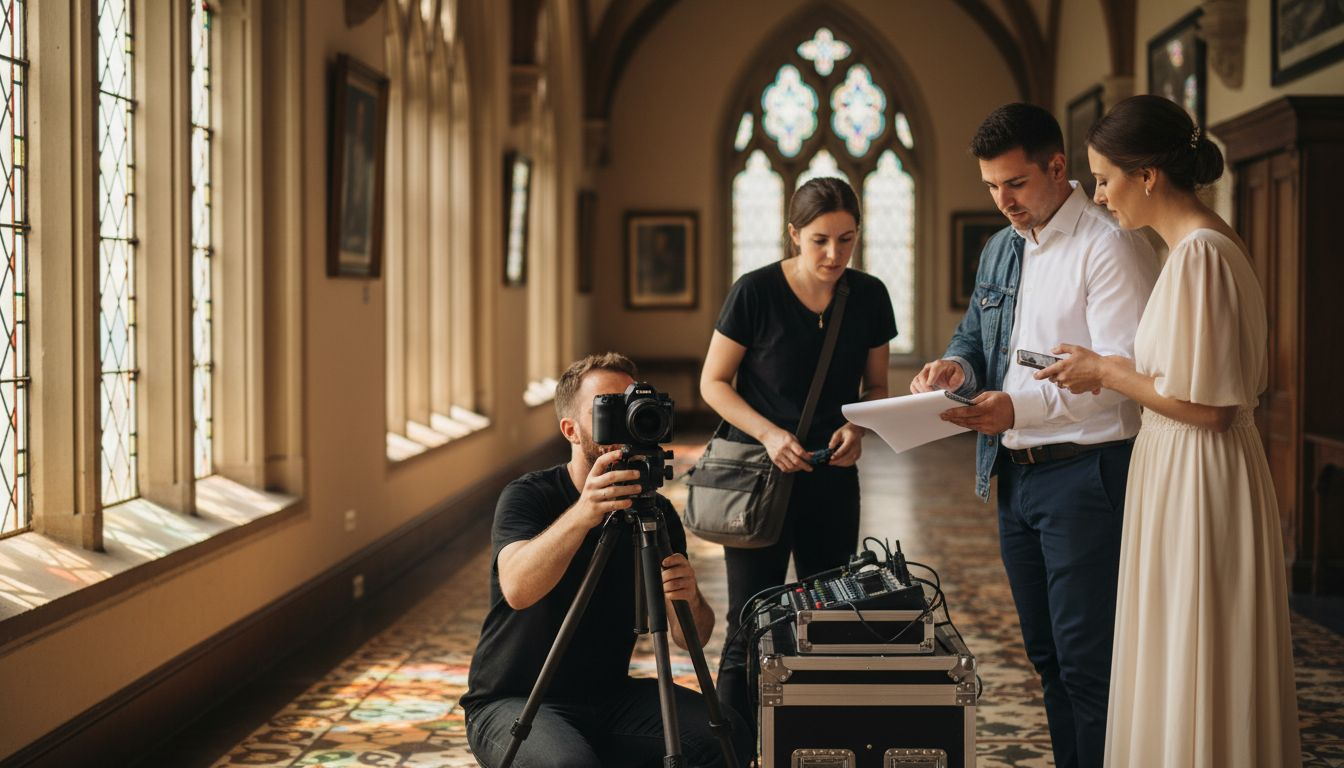
Begin by creating a comprehensive list of potential videographers in your wedding region. Look for professionals with robust portfolios showcasing diverse wedding styles and emotional storytelling. Review their sample films critically, paying attention to audio quality, color grading, editing pace, and how they capture genuine moments. Check their online reviews, social media presence, and client testimonials to gauge their reputation and professional consistency.
During initial consultations, ask detailed questions about their equipment, backup strategies, team composition, and specific experience with weddings similar to yours. Request full wedding film samples to understand their complete storytelling approach. Discuss package details, including hours of coverage, number of cinematographers, raw footage availability, and potential travel costs.
Pro tip: Prioritize videographers who offer a complimentary engagement shoot to help you feel comfortable in front of the camera and establish a rapport before your wedding day.
Step 3: Map out essential moments and shot list
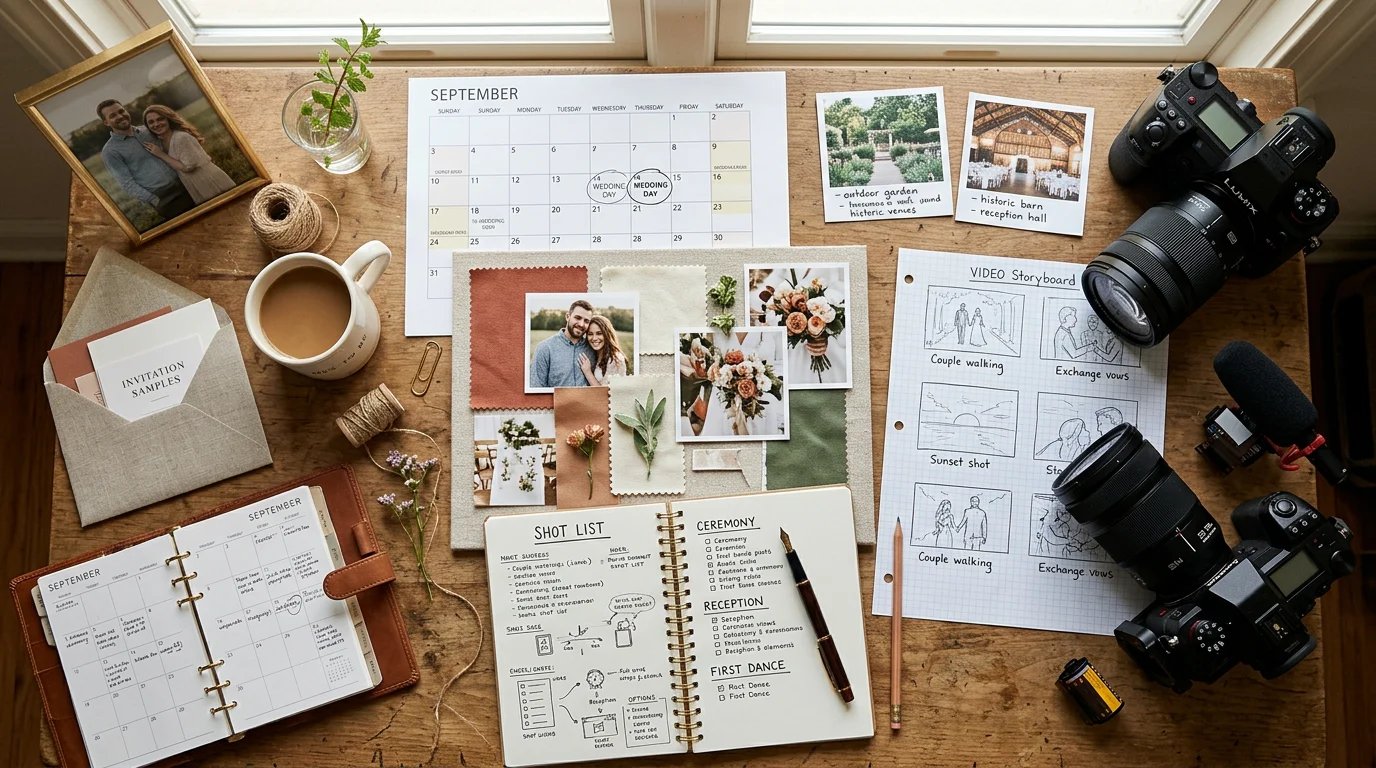
Creating a comprehensive wedding video shot list transforms your wedding film from generic documentation to a personalized narrative of your special day. Professional wedding videography shot lists provide a strategic framework for capturing every meaningful moment with precision and creativity.
Begin by segmenting your shot list into distinct wedding day phases: getting ready, pre ceremony, ceremony, formal portraits, reception, and send off. For each segment, identify specific emotional and logistical moments you want documented. During getting ready, capture candid preparation shots like makeup application, final dress adjustments, and intimate moments with wedding party. For the ceremony, list critical shots including processional, exchange of vows, ring exchange, first kiss, and recessional. Reception shots should include first dance, parent dances, toasts, cake cutting, and spontaneous guest interactions.
Collaborate closely with your videography team to review the shot list, ensuring they understand your vision and unique wedding dynamics. Consider creating a mood board with sample images or videos that illustrate your desired aesthetic and emotional tone. Discuss potential challenges like lighting conditions, venue restrictions, and specific family or cultural traditions that require special attention.
Pro tip: Include a brief written description or reference photo for each key shot to help your videography team capture exactly the moments and emotions you envision.
Use this summary to guide your video shot list planning for each wedding phase:
| Wedding Phase | Essential Moments to Capture | Typical Location |
|---|---|---|
| Getting Ready | Makeup, dress, party interactions | Suite or dressing room |
| Ceremony | Processional, vows, first kiss | Ceremony site or church |
| Reception | First dance, toasts, cake cutting | Reception hall or tent |
Step 4: Coordinate schedules and venue logistics
Master wedding day coordination by strategically planning every logistical detail that ensures smooth video documentation. Venue and vendor logistics coordination requires meticulous communication and advanced planning to prevent potential disruptions.
Start by creating a comprehensive timeline that synchronizes multiple vendor schedules including photographers, videographers, wedding planners, catering teams, and venue staff. Map out precise locations for key moments like getting ready, first look, ceremony, and reception areas. Discuss specific technical requirements with your videography team such as electrical outlet access, potential filming locations, lighting conditions, and any venue restrictions that might impact video capture. Consider potential logistical challenges like limited movement during ceremony, restricted areas, or challenging architectural elements that could impact filming.
Conduct a comprehensive venue walkthrough with your videography team at least one month before the wedding. During this walkthrough, physically map out optimal filming positions, identify potential background locations for artistic shots, and discuss contingency plans for unexpected weather or scheduling changes. Confirm exact timing for critical moments and ensure all vendors have synchronized watches and a clear understanding of the day’s structured timeline.
Pro tip: Create a digital shared timeline document that all vendors can access and update in real time to ensure seamless coordination and communication.
Step 5: Review and refine your final video plan
Transforming raw wedding footage into a cinematic masterpiece requires strategic editing and thoughtful refinement. Wedding video editing workflows are critical for creating a narrative that authentically captures the emotional essence of your special day.
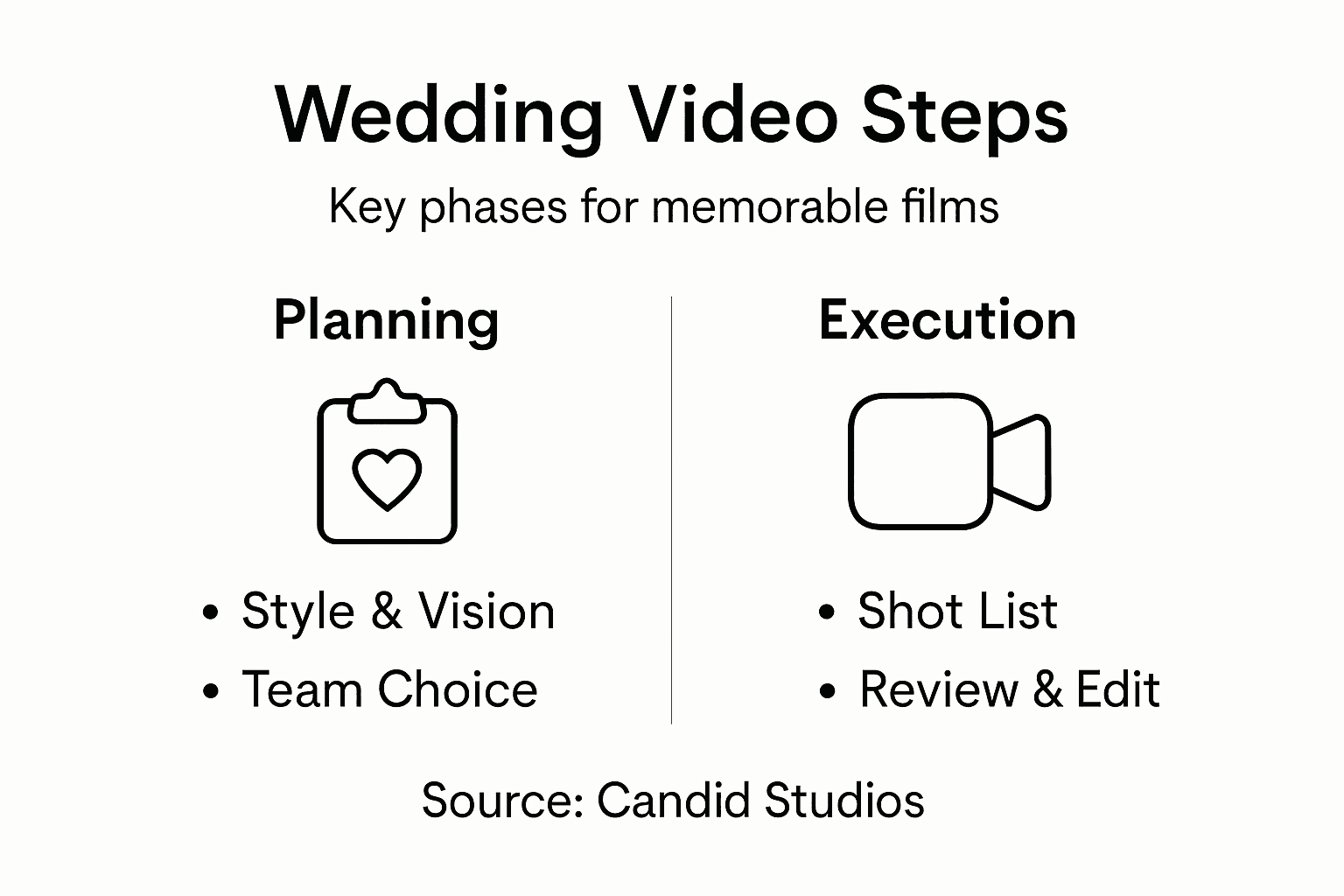
Schedule a comprehensive review session with your videography team to evaluate the initial raw footage. Focus on selecting the most compelling moments that tell your unique love story. Discuss specific emotional highlights like exchanging vows, unexpected candid interactions, and meaningful family moments that deserve prominence in the final edit. Consider the pacing and emotional arc of the video ensuring a balanced representation of the entire wedding experience.
Work closely with your videographer to fine tune audio quality, color grading, and overall visual consistency. Request sample edits that demonstrate different storytelling approaches and be prepared to provide specific feedback. Explore creative options like selective slow motion, music synchronization, and strategic transitions that enhance the narrative without feeling artificially manipulated.
Pro tip: Request an uncut raw footage copy alongside your final edited video to preserve all precious moments and potentially create future anniversary retrospectives.
Capture Your Wedding Story with Expert Planning and Cinematic Precision
Planning your wedding video can feel overwhelming when trying to nail down your unique style, organize a perfect shot list, and coordinate every detail with your venue and vendors to ensure you don’t miss any treasured moments. The challenge is turning those fleeting, emotional memories into a seamless, cinematic narrative that truly reflects your love story. With key concepts like documentary or cinematic styles, detailed shot planning, and smooth logistical coordination outlined in this guide, your goal is to find a video team that not only understands your vision but elevates it.
At Candid Studios, we specialize in transforming these planning steps into unforgettable wedding films. Our award-winning team offers personalized consultation to align with your desired wedding videography style and create a custom shot list that captures every meaningful moment. Benefit from our AI-driven editing technology and proprietary curated editing styles that bring a cinematic depth to your memories. Whether your wedding is local to Colorado or Florida or a destination celebration, we provide flexible, competitively priced packages starting at $350 per hour, including raw footage at no extra cost.
Elevate your wedding day storytelling and preserve your memories with a trusted partner who makes your vision come alive.
Ready to plan your unforgettable wedding film? Visit Candid Studios to schedule your personalized consultation and let us help you bring your wedding video vision to life.
Frequently Asked Questions
How do I choose the right wedding videography style for my special day?
To choose the right wedding videography style, discuss your vision with your partner and consider what emotional tone resonates with you both. Watch sample wedding films together to identify whether you prefer a documentary, cinematic, traditional, or storytelling approach.
What should I ask during consultations with potential wedding videographers?
During consultations, ask about their equipment, backup strategies, team composition, and experience with weddings similar to yours. Additionally, discuss package details like coverage hours, number of cinematographers, and any extra costs.
How can I create an effective shot list for my wedding video?
To create an effective shot list, segment your requests into phases like getting ready, the ceremony, and the reception. Identify specific moments you want captured in each phase and collaborate with your videography team to ensure they understand your vision.
What logistical details should I coordinate for my wedding videography?
Coordinate schedules by creating a comprehensive timeline that synchronizes all vendor schedules, including your videographer. Conduct a venue walkthrough with your videography team to plan filming positions and identify potential challenges.
How should I provide feedback during the editing process of my wedding video?
Provide feedback by scheduling a review session with your videography team to evaluate the initial raw footage. Focus on selecting compelling moments and discussing pacing, audio quality, and visual consistency to refine the final edit.
Why is it important to request uncut raw footage alongside the final edited wedding video?
Requesting uncut raw footage ensures you preserve all precious moments captured on your wedding day. This can be valuable for creating future anniversary retrospectives or additional edits, giving you flexibility for how you celebrate your memories.