Drone Photography: Aerial Imaging Guide
Picture this: a camera that can fly, giving you a storyteller's view from hundreds of feet in the air. That’s the magic behind drone photography. At its heart, it’s the art of capturing stunning images and videos using an unmanned aerial vehicle (UAV).
This technology opens up breathtaking, cinematic perspectives that were once only possible with a Hollywood-sized budget.
So, What Is Drone Photography, Really?
Fundamentally, drone photography is all about a fresh perspective. It's the difference between seeing a moment from eye level and seeing it from a sweeping, elevated viewpoint that captures the whole story.
Think of it this way: a traditional camera is like a paintbrush for a portrait, perfect for capturing beautiful, intimate details up close. A drone, on the other hand, is the paintbrush for a grand landscape, letting you paint the entire scene in one magnificent stroke.
The Core Components Of Drone Photography
To really understand what makes these "flying cameras" work, it helps to break down the key pieces of technology involved. Each part plays a crucial role in getting those incredible shots.
Component
What It Does
UAV (Drone)
The aircraft itself, equipped with rotors, motors, and a flight controller to stay stable in the air.
Gimbal
A stabilizer that holds the camera, keeping it perfectly steady and level even as the drone moves.
High-Resolution Camera
The "eye" of the drone, capturing sharp photos and high-definition video from the sky.
Remote Controller
The handheld device the pilot uses to control the drone's flight, camera movements, and settings.
Live Video Feed
Transmits what the drone's camera sees directly to the pilot's screen, enabling precise composition.
These elements come together to create a powerful tool for visual storytelling, allowing us to see the world from an entirely new angle.
It's More Than Just High-Angle Shots
It’s easy to think drone photography is just about taking pictures from way up high. But that’s only scratching the surface. It's a skillful blend of technology, artistic vision, and piloting precision.
A great drone pilot doesn't just send the camera up; they use deliberate flight maneuvers to create dynamic, cinematic footage. These movements guide your eye and stir emotion, turning a simple scene into something truly extraordinary.
The possibilities are endless, spanning from personal celebrations to major commercial projects:
- Weddings and Events: Showcasing the full scale of a beautiful venue and the collective energy of everyone celebrating.
- Commercial Media: Making real estate listings pop, promoting travel destinations, or creating high-impact brand videos.
- Personal Portraits: Adding a dramatic, scenic backdrop to engagement photos or family portraits that stand out.
An Industry Taking Flight
The power of this unique viewpoint has caused the drone industry to absolutely soar. Aerial imaging has gone from a niche specialty to something clients across weddings, real estate, and commercial work now ask for by name.
That momentum is driven by its unmatched ability to create visuals that grab and hold our attention.
This incredible growth is exactly why professionals, including our team here at Candid Studios, have embraced drone services. The unique angles and epic scale add a layer of production value that clients love. You can see just how powerful this is in our guide on using drones for wedding photography.
The Technology Behind Unforgettable Aerial Shots
So, what does it take to get those unbelievably smooth, cinematic aerial shots? It’s a lot more than just sending a drone up into the sky. The secret is in the tech, a specific combination of tools where every single piece has an important job to do.
It all starts with the drone, of course. For professional work, that usually means a quadcopter, a model known for being incredibly stable and nimble in the air. We then pair these aircraft with high-resolution cameras that can shoot in 4K or even 8K, capturing every last detail with stunning clarity.
But the camera is only half the story. The real magic behind that buttery-smooth footage is the gimbal.
Think of a gimbal as the ultimate steady hand. It’s a sophisticated stabilization system that instantly corrects for wind, shakes, and any sudden movements. This is what keeps the camera locked on and the footage looking flawless, no matter what's happening around it.
It's this blend of a stable drone, a high-quality camera, and a rock-solid gimbal that creates the foundation for truly professional work.
Essential Gear We Never Leave Home Without
Beyond the big three, a pro’s drone bag is packed with accessories that can make or break a shoot. Having the right gear isn't just a nice-to-have; it's absolutely essential for getting reliable, top-tier results every single time. Here are a few must-haves we always bring.
- Extra Batteries: A professional drone battery might give you 25-40 minutes of flight time, which is never enough. We carry a stack of fully charged spares to make sure we don't miss that perfect moment waiting for a battery to charge.
- ND Filters: These are basically sunglasses for the camera's lens. Neutral Density (ND) filters cut down on harsh sunlight, which prevents blown-out, overexposed shots and helps create that beautiful, cinematic motion blur you see in films.
- Flight Control Software: Modern flight apps give us pinpoint control over every aspect of the drone, from its flight path and camera settings to pre-programmed maneuvers that help capture complex, creative shots automatically.
This little concept map shows how the drone is really the hub that connects the technology, a unique perspective, and the art of storytelling.
As you can see, the drone is just the tool. It's how we combine it with technology and a creative eye that really makes the difference. If you want a more detailed look at the gear we rely on, you can find it in our professional photography equipment checklist.
Market Growth And Managing The Data
It's no surprise that the demand for this kind of technology is exploding. Industries like media, real estate, and event planning have come to rely on high-quality aerial imagery, and that appetite keeps growing.
Of course, all that high-resolution footage has to go somewhere. Managing terabytes of data is a huge part of the job, which is why professionals lean heavily on the best cloud storage solutions for photos to keep client projects safe, organized, and accessible.
How Drone Photography Elevates Real-World Events
Drone photography isn't just about getting a camera in the air; it's about transforming the ordinary into the extraordinary. It’s a powerful tool that gives us a completely new way to tell stories, capturing the full scope and feeling of an event in a way that ground-level cameras simply can't match.
Think about it: a sweeping shot that glides over a beachfront wedding, taking in every guest, the stunning landscape, and the crashing waves in one breathtaking frame. That’s not just a picture anymore. It's a snapshot of the entire atmosphere, preserved forever. Each use case lets us craft a narrative that’s impossible to create from the ground.
Weddings And Personal Milestones
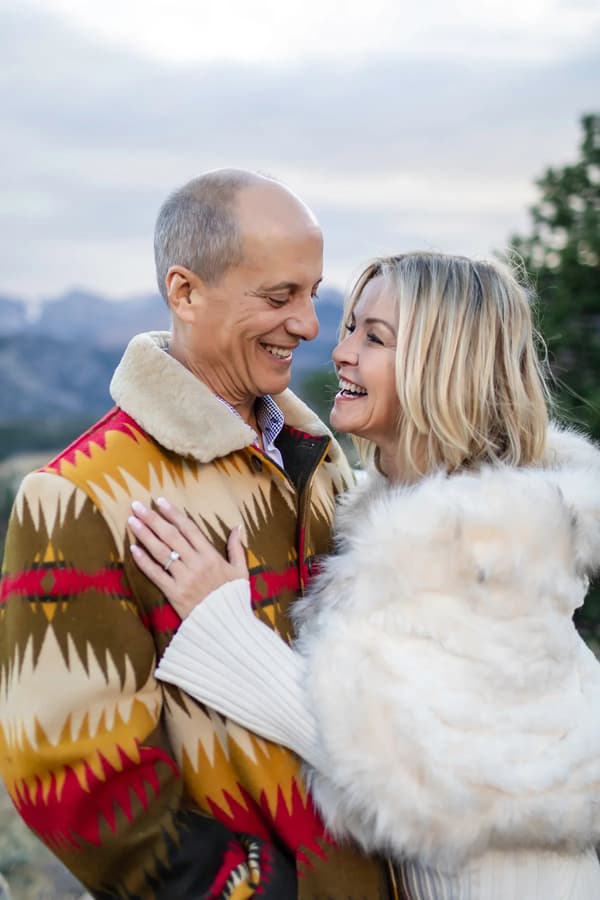
For personal events like weddings, drones add a layer of both epic scale and surprising intimacy. An aerial perspective can show off the grandeur of a historic venue or the beautiful, quiet seclusion of an elopement on a mountaintop. It turns key moments into something truly cinematic.
- Ceremony Vistas: Capture the entire wedding party, guests, and stunning venue in one cohesive, beautiful image.
- Couple Portraits: Create dramatic, romantic portraits with incredible natural backdrops, from coastal clifftops to rolling green hills.
- Group Shots: Forget trying to squeeze everyone in. An aerial shot makes it easy to organize large groups into fun, unique formations, like a heart shape.
This approach offers a unique storytelling dimension, turning engagement sessions, family portraits, and milestone birthdays into visually stunning memories.
By capturing the context and scale of a location, drone photography makes the memory feel as grand and significant as the moment itself. It’s not just a photo of people; it’s a photo of a moment in time, perfectly placed in its beautiful surroundings.
Commercial And Corporate Media
In the business world, an aerial perspective is a genuine game-changer for marketing and documentation. Drones are perfect for creating dynamic promotional videos that showcase a property's full scope or capture the vibrant energy of a large corporate gathering. For any business trying to stand out, this unique viewpoint immediately grabs attention. As we point out in our guide on how to plan a corporate event, capturing the right visuals is key to documenting success.
The impact is obvious. A video showing a bustling outdoor festival or a sweeping view of a commercial real estate property is far more compelling than static shots taken from the ground. This technology provides a real return on investment by creating high-impact, engaging content that stops people from scrolling.
The accessibility of this tech has fueled its rapid growth. This explosion empowers professionals and hobbyists alike, and it’s why Candid Studios provides drone services for both lifestyle shoots and business videography.
Getting truly cinematic drone footage is about more than just sending a camera up into the sky. It's an art form that relies on specific flight maneuvers to build emotion and create those breathtaking visuals we all love.
Think of these techniques as a director's toolkit for the air. Knowing which one to use, and when, is what elevates a simple aerial snapshot into genuine aerial cinematography.
Every movement has a purpose. It's all about guiding the viewer's eye, setting a mood, and telling a story. A pilot’s steady hand and creative vision are what give a video that polished, captivating quality.
Mastering The Essential Drone Shots
So, how do pilots pull off those dynamic visuals you see in movies and high-end wedding videos? Let's break down a few of the most popular and effective maneuvers. You’ve definitely seen them before, even if you didn't know what they were called.
- The Reveal Shot: A true classic. The drone starts close, maybe focused on a line of trees or the corner of a building, before ascending or moving past it to unveil a stunning landscape or a packed event space. It’s all about building anticipation for that big, awe-inspiring payoff.
- The Orbit Shot: To make a subject feel central and important, the drone flies in a smooth circle around them. Picture a slow, graceful rotation around a couple during their first dance or a brand-new building on a commercial property. This shot keeps the focus locked on the subject while beautifully showcasing their complete surroundings.
- The Bird's-Eye View: This is that straight-down, top-down perspective that gives you a view you just can't get any other way. It’s fantastic for capturing graphic patterns on the ground, organizing large group shots into fun shapes, or showing the entire layout of a real estate listing.
By blending different flight paths and camera angles, a skilled pilot constructs a visual narrative. The goal is to make the technology disappear, letting the story and the emotion of the moment take center stage.
From Maneuvers To Storytelling
These shots are the essential ingredients, but the real magic happens when they're combined to tell a story. A wedding film might open with a slow reveal of the venue, then transition to an intimate orbit shot during the vows, and close with a dramatic pull-back shot showing the couple celebrating with all their guests.
This is where technical skill and creative vision intersect. The drone stops being just a camera on a flying machine and becomes a storyteller, pushing the narrative forward with every deliberate movement.
For anyone looking to create truly stunning aerials, exploring specialized cinematic drone footage filming services can be a game-changer. It's exactly this kind of mastery over creative techniques that allows us at Candid Studios to make sure your final video feels grand, immersive, and completely unforgettable.
Understanding Drone Safety And FAA Regulations
Getting those breathtaking aerial shots isn't just about creative talent; it’s a serious business that demands a deep respect for safety and the law. This isn't optional, for any professional work, it's a strict requirement. After all, the sky is a shared space, and a licensed pilot knows exactly how to navigate it responsibly.
Here in the United States, the Federal Aviation Administration (FAA) makes the rules. You can think of them as the air traffic controllers for everything that flies, from a 747 down to a camera drone. Their regulations are in place for a very good reason: to keep everyone safe and to prevent accidents.
The Part 107 License: Your Pilot's Professional Badge
When you hire someone to fly a drone for commercial work, and that includes any wedding photography or event video you pay for, that pilot must hold an FAA Part 107 Remote Pilot Certificate. This isn't just a piece of paper. It’s a credential that proves the operator has passed a tough aeronautical knowledge test and understands the ins and outs of safe flight.
A Part 107 certified pilot has been tested on:
- Airspace Classifications: Knowing where they can and can't fly, from city centers to rural fields.
- Weather Limitations: Understanding how wind, clouds, and visibility can impact a flight.
- Emergency Procedures: Being ready to handle any unexpected issue, from a sudden storm to a technical glitch.
- Operating Rules: Following every single FAA guideline to the letter.
This certification is what separates a true professional from a hobbyist. It’s your assurance that the person behind the controls is qualified, responsible, and taking your project seriously.
When you hire a professional, you're not just paying for their creative eye. You're investing in their expertise to navigate complex regulations, ensuring your shoot is fully compliant and insured. That peace of mind is priceless.
Core Rules Of The Air
Beyond the license, every single flight is governed by a strict set of safety rules. One of the biggest is maintaining a visual line of sight (VLOS). This simply means the pilot has to be able to see the drone with their own eyes at all times. It's a fundamental rule that prevents collisions and allows the pilot to react instantly if something goes wrong.
Pilots also have to be experts on no-fly zones. These are sensitive areas like airports, military bases, national parks, and even large public events where flying is restricted or forbidden. Privacy is another huge consideration; a professional knows how to get the shot without invading anyone's personal space.
These operational boundaries are a pilot's responsibility, and they should be clearly communicated to the client, it’s as important as the creative brief itself. We even touch on these principles when outlining what goes into a solid wedding videographer contract template.
Choosing a professional firm like Candid Studios means you’re working with a team that is fully licensed and insured. We handle all the complex logistics behind the scenes, so you can just relax and enjoy the incredible results without a single worry.
Why You Should Hire A Professional Drone Pilot
It's tempting to think you can just buy a drone and capture those amazing aerial shots yourself. But there’s a massive gap between owning the gear and creating truly breathtaking, cinematic footage. Professional aerial photography is a careful mix of technical know-how, artistic instinct, and a deep understanding of safety and regulations.
When you bring in an expert, you’re not just hiring someone to fly a drone. You're getting a licensed FAA-certified pilot who navigates complex airspace rules, a skilled cinematographer who knows how to compose a jaw-dropping shot, and a creative storyteller who can weave it all together. They show up with top-of-the-line equipment, full liability insurance (which is a huge deal), and the experience to capture your story from an unforgettable perspective.
Expertise Versus Equipment
Owning a drone doesn't make you a cinematographer, just like owning a good pen doesn't make you a novelist. It’s all about how you use the tool.
An experienced pilot knows how to execute those buttery-smooth camera movements that create emotion and draw the viewer in. That skill is what separates shaky, jarring amateur videos from the polished, professional work that leaves a lasting impression.
A professional drone pilot’s value isn’t just in the equipment they own, but in the hundreds of hours of flight time and creative experience they bring to your project. They anticipate challenges, adapt to changing conditions, and consistently deliver exceptional results.
The Value Of Professional Storytelling
At the end of the day, drone shots are there to make your story more powerful. A true professional gets that. They take the time to understand your vision and then use their technical and creative chops to make it a reality, making sure every single aerial shot has a purpose.
This all-in-one approach is a lot like what a great videographer does on the ground. You can dive deeper into why that matters by checking out these 20 reasons you need to hire a videographer.
Hiring a professional service like Candid Studios means you can stop worrying about the tech, the flight plans, and the creative details. You can just relax and trust that the final result will be a timeless, cinematic story that takes your wedding, event, or commercial project to a whole new level.
Got Questions About Drone Photography? We've Got Answers.
As you start thinking about adding an aerial view to your project, you're bound to have a few questions. It’s completely normal. Let's walk through some of the most common things people ask so you can get a better feel for how it all works.
What Happens If The Weather Is Bad?
This is a big one, and the answer is simple: safety is everything. We absolutely cannot fly our drones in rain, snow, or high winds. It’s just not safe for the equipment or the people on the ground.
We keep a close eye on the forecast days before your shoot. If things look dicey, we’ll be in touch to make a plan, whether that’s finding a clear window in the weather or rescheduling. Your amazing shots are important, but they’ll never come at the expense of safety.
Can You Fly A Drone Anywhere?
Not exactly. There are definitely places that are off-limits. The FAA has strict rules, and we can't fly near airports, over most national parks, or around sensitive locations like military bases. These are called no-fly zones for a reason.
A huge part of being a professional drone pilot is knowing the airspace rules inside and out. We handle all the pre-flight checks to ensure every flight is not only safe but 100% legal and compliant.
Do I Need To Ask My Venue For Permission?
It’s always a good move to get a heads-up from your venue. Some places, especially private estates or resorts, have their own policies about drones on their property.
Don't worry, though, we can help with this. As part of our planning process, we’re more than happy to chat with the venue coordinator to make sure we’re all on the same page and following their rules.
How Long Can A Drone Stay In The Air?
A single professional drone battery gives us about 20 to 30 minutes of flight time. But that's never been a problem.
We show up to every single job with a whole case of fully charged batteries. This means we can easily swap them out and keep flying, ensuring we have more than enough time to capture every angle you need without missing a beat.
Ready to see your story from a breathtaking new perspective? The team at Candid Studios is here to bring our award-winning aerial photography and videography expertise to your special day or commercial project.
Discover our professional drone services and book a consultation today!